
Unraveling what is street art history: From Walls to Galleries
Dive deep into the compelling narrative of street art, understanding its roots, transformations, and enduring legacy.
Explore the JourneyKey Takeaways
- ✓ Street art's roots can be traced back to ancient forms of public expression, predating modern graffiti.
- ✓ The 1960s and 70s in Philadelphia and New York City were pivotal for the birth of modern graffiti writing.
- ✓ Early street artists often used pseudonyms ('tags') to identify their work and gain recognition.
- ✓ Street art evolved from simple tags to elaborate murals, stencils, and installations, becoming a global phenomenon.
How It Works
Understand how early humans used cave walls and public spaces for communication and artistic expression, setting a prehistoric precedent for street art. These early forms were often communicative or ritualistic, laying groundwork for art in public.
Trace the emergence of contemporary street art from graffiti culture in American urban centers during the mid-20th century. This era saw the rise of tagging and stylistic lettering on subway cars and city walls.
Witness the expansion of street art beyond traditional graffiti to include stenciling, paste-ups, murals, and more conceptual installations. This period marked a shift towards broader artistic intention and greater public engagement.
Observe how street art transitioned from a subculture to an internationally recognized art form, influencing fine art, fashion, and pop culture. Galleries and museums began to exhibit street art, legitimizing its place in the art world.
The Ancient Echoes and Early Precursors of Urban Art
 Photo: Baidou Ahmed / Pexels
The Birth of Modern Graffiti: Philadelphia and New York City's Influence
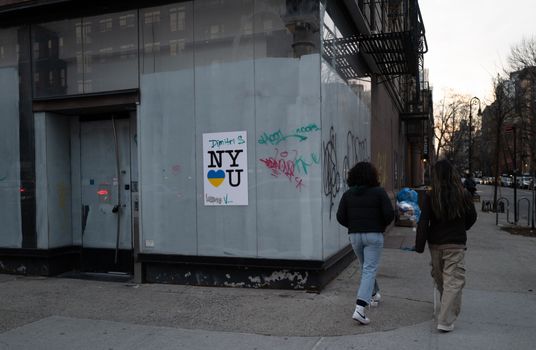 Photo: Nataliia Pugach / Pexels
The Evolution Beyond Tags: From Wildstyle to Stencils and Murals
 Photo: Vitaly Kushnir / Pexels
Street Art's Global Footprint and Mainstream Acclaim
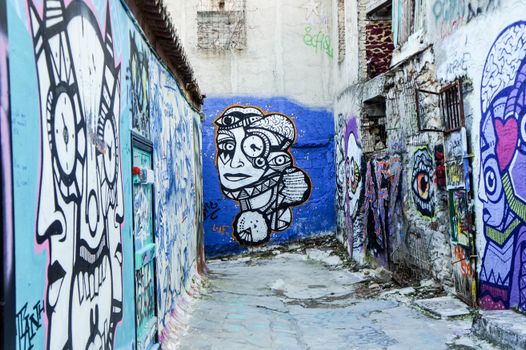 Photo: Thanos Skoufitsas / Pexels
Comparison
| Feature | Traditional Graffiti (1970s) | Modern Street Art (2000s+) | Ancient Public Markings |
|---|---|---|---|
| Primary Goal | Identity/Notoriety | Message/Aesthetics | Communication/Ritual |
| Typical Medium | Spray paint, markers | Spray paint, stencils, paste-ups, mixed media | Carvings, pigments, charcoal |
| Legality | Mostly illegal | Mix of legal/illegal | Generally accepted/sanctioned |
| Audience | Subculture, peers | General public, art world | Community, deities |
| Key Artists | TAKI 183, Phase 2 | Banksy, Shepard Fairey, JR | Unknown tribal artists, Roman citizens |
What Readers Say
"This article completely opened my eyes to what is street art history. I always thought it started with graffiti in the 80s, but the ancient connections are fascinating. So well researched and engaging!"
Sarah J. · Brooklyn, NY"As an art history student, this piece is an invaluable resource. It meticulously traces the evolution and cultural significance, providing a comprehensive understanding of what is street art history from its roots to its modern impact."
Michael D. · Los Angeles, CA"I loved how it explained the shift from simple tags to complex murals. Understanding the motivations behind each stage really helped me appreciate the street art I see around my city now. A truly enriching read!"
Elena R. · Austin, TX"While incredibly thorough, I would have loved to see a bit more on the legal and ethical debates surrounding street art's commercialization. Still, it's a fantastic overview of what is street art history, very informative."
David L. · Chicago, IL"This article is a must-read for anyone interested in urban culture. It brilliantly connects ancient human expression to today's vibrant street art scene, showcasing the continuous human need to create and communicate visually in public spaces."
Chloe P. · Miami, FLFrequently Asked Questions
What is considered the earliest form of street art?
The earliest forms of street art can be traced back to ancient public markings such as cave paintings, hieroglyphs, and Roman graffiti. While not 'street art' in the modern sense, they represent the fundamental human impulse to use public surfaces for communication and artistic expression, setting a historical precedent for the art form.
Was street art always considered vandalism?
No, not always. While modern graffiti often began as unsanctioned and was thus deemed vandalism, the definition of street art has evolved. Many contemporary street art projects are commissioned, legal, and celebrated as public art, though a significant portion still operates outside legal boundaries, retaining its rebellious edge.
How did graffiti transition into broader street art forms?
Graffiti transitioned into broader street art forms through experimentation with new techniques like stenciling, paste-ups, and large-scale murals. Artists expanded beyond text-based graffiti to incorporate imagery, social commentary, and diverse materials, appealing to a wider audience and blurring the lines between subculture and fine art.
What is the economic impact of street art?
The economic impact of street art is significant and multi-faceted. It can boost tourism, revitalize urban areas, increase property values in certain neighborhoods, and create opportunities for artists. However, it also raises questions about gentrification and the commercialization of an art form born from anti-establishment roots.
How does street art differ from public art?
While often overlapping, street art typically refers to art created in public spaces, often without official permission, stemming from a grassroots, individual, or subcultural impulse. Public art, on the other hand, is usually commissioned, government-funded, and officially sanctioned, often integrated into urban planning with community input.
Who should learn about what is street art history?
Anyone interested in art, urban culture, social commentary, or the evolution of human expression should delve into what is street art history. It appeals to art enthusiasts, historians, urban planners, sociologists, and anyone curious about how visual language shapes and reflects our communities.
Is street art a safe art form for artists?
The safety of street art for artists varies greatly. If working illegally, there are risks of arrest and legal repercussions. For sanctioned projects, safety depends on the location and conditions, sometimes involving working at heights or in challenging environments. The materials used can also pose health risks if proper precautions aren't taken.
What are the future trends in street art?
Future trends in street art include increased integration of augmented reality (AR) and digital elements, greater emphasis on sustainability and eco-friendly materials, continued expansion into global regions, and a growing dialogue with urban planning. Expect more interactive installations and a blurring of lines with other artistic disciplines.
Embark on your own journey through urban landscapes, armed with a deeper understanding of what is street art history. Discover how this dynamic art form continues to shape our cities and reflect our times, inspiring new perspectives on public space and artistic expression.