What is Contemporary Art? A Modern Masterpiece Guide
Dive into the vibrant, diverse, and often challenging world of contemporary art, understanding its core principles and impact.
Explore NowKey Takeaways
- ✓ Contemporary art generally refers to art made from the 1960s/70s to the present day.
- ✓ It is characterized by its diversity in styles, mediums, and concepts, often questioning traditional art forms.
- ✓ Contemporary art frequently engages with social, political, and cultural issues of its time.
- ✓ There is no single, unifying style; instead, it embraces pluralism and experimentation.
How It Works
Understand that contemporary art is a fluid term, generally encompassing works from the latter half of the 20th century to today. This distinguishes it from modern art, which precedes it.
Look for art that is often conceptual, experimental, and multidisciplinary. It frequently challenges established norms and invites viewer interpretation rather than simply depicting reality.
Observe how contemporary artists often address current global issues, personal identity, technology, and societal structures. The message or concept can be as important as the aesthetic.
Accept that contemporary art isn't confined to one style or medium. It can be painting, sculpture, video, performance, installation, digital art, or a hybrid of several forms.
Defining What is Contemporary Art: Beyond the Canvas
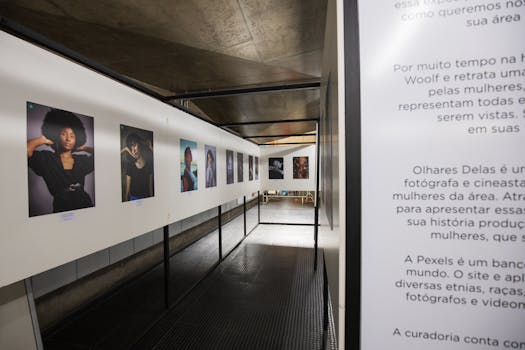 Photo: Matheus Bertelli / Pexels
Key Characteristics and Themes in Contemporary Art
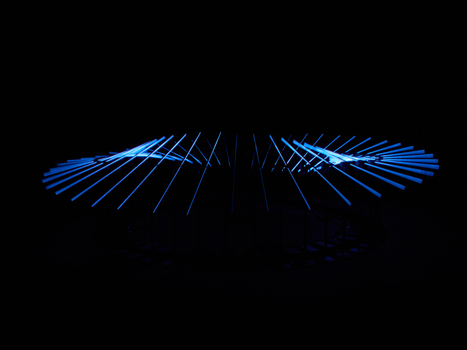 Photo: Alexandr Meadow / Pexels
Modern Art vs. Contemporary Art: Understanding the Distinction
 Photo: Eugene Laszczewski / Pexels
Navigating the Contemporary Art World: Tips for Appreciation
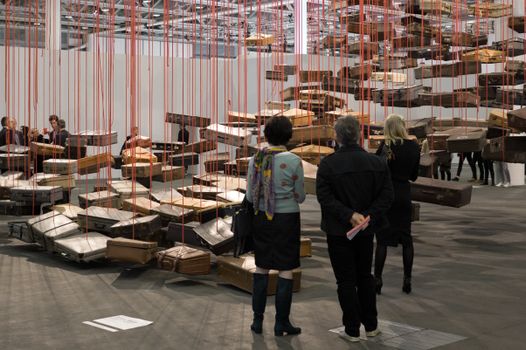 Photo: mali maeder / Pexels
Comparison
| Feature | Contemporary Art | Modern Art | Traditional Art |
|---|---|---|---|
| Time Period | 1960s/70s - Present | 1860s - 1970s | Pre-19th Century |
| Defining Characteristic | Pluralism, Conceptual, Interdisciplinary | Innovation, Individualism, Break from Tradition | Representational, Religious/Historical Themes |
| Mediums | Diverse (digital, performance, installation, mixed media) | Painting, Sculpture (often experimental) | Painting, Sculpture (traditional materials) |
| Themes | Identity, Globalization, Technology, Social Issues | Urban life, Psychology, Abstraction, Utopia | Mythology, Portraiture, Landscape |
| Viewer Engagement | Interpretive, Participatory, Challenging | Appreciative, Emotional, Intellectual | Aesthetic, Narrative Understanding |
| Focus | Concept, Experience, Dialogue | Form, Expression, Innovation | Skill, Representation, Narrative |
What Readers Say
"This guide completely demystified what is contemporary art for me. I used to feel intimidated in galleries, but now I understand the underlying ideas and can engage with pieces on a much deeper level. It's truly transformative."
Sarah J. · Brooklyn, NY"As an aspiring artist, understanding the nuances of contemporary art is crucial. This article breaks down complex concepts into digestible insights, offering a clear roadmap for appreciating current artistic trends. Highly recommend for anyone feeling lost in the modern art scene."
Michael R. · Los Angeles, CA"I always struggled to differentiate between modern and contemporary art. Thanks to this comprehensive explanation, I now confidently discuss the distinct characteristics and historical contexts of both, enriching my museum visits significantly."
Emily P. · Chicago, IL"The article is incredibly thorough and helpful for understanding what is contemporary art. While some sections were quite dense, the overall benefit of clarity and insight into various art forms was well worth the read. A fantastic resource."
David L. · Austin, TX"I'm a gallery owner, and I often share this resource with clients who are new to collecting. It provides an excellent foundation for understanding the diverse practices within contemporary art, helping them feel more confident in their exploration and purchases."
Jessica M. · Miami, FLFrequently Asked Questions
What is the main difference between modern art and contemporary art?
Modern art generally refers to art from the 1860s to the 1970s, characterized by a break from traditional forms and an emphasis on innovation and individual expression. Contemporary art, from the 1960s/70s to the present, is marked by pluralism, conceptual depth, interdisciplinary approaches, and engagement with current social, political, and cultural issues, often questioning the very definition of art itself.
Why is contemporary art often hard to understand?
Contemporary art can be challenging because it often prioritizes concept over traditional aesthetics, uses unconventional materials, and engages with complex societal issues. It frequently requires active interpretation from the viewer and may not offer a single, clear message, instead inviting dialogue and personal reflection.
How can I start appreciating contemporary art?
Start by visiting local galleries and museums, reading the accompanying wall texts, and researching artists whose work piques your interest. Approach art with an open mind, ask questions, and be willing to engage with ideas rather than just seeking traditional beauty. Don't be afraid to feel confused; it's part of the process.
Does contemporary art have any monetary value?
Yes, contemporary art can have significant monetary value. While some works are created with little commercial intent, many contemporary artists' pieces are highly sought after by collectors and institutions, fetching substantial prices at auctions and private sales. Value is determined by factors like the artist's reputation, historical significance, market demand, and provenance.
Is digital art considered contemporary art?
Absolutely. Digital art, encompassing everything from computer-generated imagery and interactive installations to virtual reality experiences and NFTs, is a significant and rapidly evolving facet of contemporary art. It embodies the contemporary spirit of experimentation, technological engagement, and questioning traditional artistic boundaries.
Who is contemporary art for?
Contemporary art is for everyone. While it can sometimes feel exclusive, its themes are often universal, touching on human experience, society, and our shared world. It invites anyone willing to engage, reflect, and think critically about the present and future to participate in its ongoing conversation.
Are there any 'rules' in contemporary art?
One of the defining characteristics of contemporary art is its rejection of rigid rules and traditional boundaries. While artists might work within certain conceptual frameworks or artistic traditions, the overarching spirit is one of freedom, experimentation, and challenging established norms. The only 'rule' might be to question rules.
What are the future trends in contemporary art?
Future trends in contemporary art are likely to continue exploring themes of artificial intelligence, climate change, virtual and augmented realities, bio-art, and increasingly decentralized art forms. There will also be a continued focus on inclusivity, diverse narratives, and art's role in social activism and community engagement.
Understanding what is contemporary art opens up a fascinating world of ideas and expressions. Embrace the journey of discovery, engage with the art, and let it challenge your perceptions. Start your exploration today and connect with the vibrant pulse of our current artistic landscape.