What is Contemporary Art Definition? Unpacking Modern Meaning
Dive deep into the complex, ever-evolving world of contemporary art and understand its profound cultural significance.
Explore Contemporary Art NowKey Takeaways
- ✓ Contemporary art generally refers to art produced from the 1960s or 1970s to the present day.
- ✓ It is characterized by its diversity, often challenging traditional art forms and definitions.
- ✓ Contemporary art frequently engages with social, political, and cultural issues.
- ✓ There is no single dominant style; experimentation and concept are often prioritized over aesthetics.
How It Works
Contemporary art follows modern art, beginning roughly in the late 20th century. This distinction is crucial for context.
Prepare for a wide array of mediums, styles, and concepts. Contemporary art thrives on breaking boundaries and challenging norms.
While beauty can be present, the intellectual or conceptual message often takes precedence. Consider the artist's intent and the work's context.
Many contemporary works are deeply rooted in current events, social issues, or personal narratives. Researching the background enriches the experience.
The Elusive Nature of Contemporary Art: A Definitional Challenge
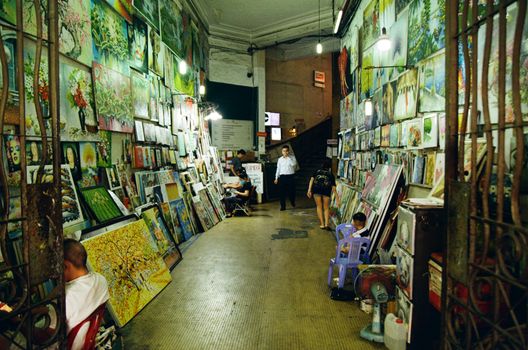 Photo: Spencer Lee / Pexels
One of the primary reasons for this definitional challenge lies in the sheer breadth and diversity of contemporary art. There is no single 'ism' that dominates, no overarching aesthetic criterion that unites all works. Instead, we see a multitude of voices, techniques, and concerns. Artists are free to explore any medium – paint, sculpture, photography, video, performance, installation, digital art, bio-art, and even ephemeral experiences – often blurring the lines between them. This rejection of traditional boundaries is a hallmark. For instance, a contemporary artist might use discarded materials to create a monumental sculpture, or employ cutting-edge virtual reality to immerse viewers in an entirely new world. The emphasis shifts from the mastery of a specific craft, though that can still be present, to the power of the idea, the concept, and the dialogue it provokes.
Moreover, contemporary art is deeply intertwined with its socio-political context. It often serves as a mirror, reflecting the complexities, contradictions, and aspirations of our globalized society. Artists frequently address pressing issues such as identity, globalization, environmentalism, technology, consumerism, and human rights. This engagement transforms art from a purely aesthetic object into a potent commentary, a catalyst for thought and discussion. Understanding a work of contemporary art often requires an understanding of the cultural landscape from which it emerged. It challenges viewers to move beyond a passive appreciation of beauty and to actively engage with the ideas being presented. This intellectual engagement is a core component of the contemporary art experience, inviting us to question, reflect, and sometimes, even be uncomfortable. The ongoing evolution of society ensures that the definition of contemporary art will continue to expand and transform, making it a perpetually fresh and relevant field of study and appreciation. For a deeper dive into art's historical context, explore this article on the history of art movements.
Key Characteristics and Underlying Philosophies
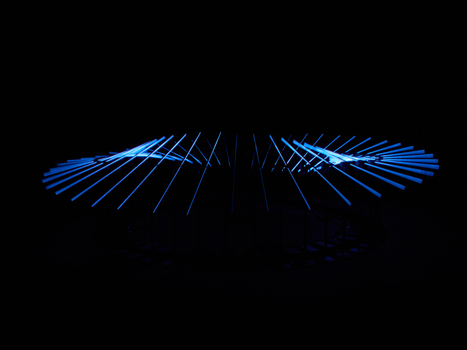 Photo: Alexandr Meadow / Pexels
Secondly, conceptualism plays a significant role. In many contemporary works, the idea or concept behind the artwork is considered as important, if not more important, than the final aesthetic product. This doesn't mean that visual appeal is entirely discarded, but rather that it serves the concept. An artist might present a seemingly simple object, but its power lies in the layers of meaning, social commentary, or philosophical inquiry it evokes. For instance, a pile of candies arranged on the floor might invite viewers to take a piece, subtly addressing themes of loss, generosity, and individual consumption within a collective experience. The viewer's interpretation and engagement become integral to the artwork itself.
Thirdly, contemporary art often embraces pluralism and rejects grand narratives. Unlike earlier art movements that often championed a particular style or ideology, contemporary art celebrates a multiplicity of perspectives, cultural backgrounds, and artistic approaches. There is no one 'correct' way to make art, nor is there a universal truth being proclaimed. Instead, artists explore individual narratives, localized histories, and diverse identities, contributing to a rich tapestry of global art practices. This pluralism is a direct response to postmodern thought, which questioned universal truths and celebrated fragmentation and subjectivity. It allows for a more inclusive and representative art world, where voices from all corners of the globe can contribute to the ongoing dialogue.
Fourthly, interdisciplinary practices are common. Contemporary artists frequently draw inspiration from and collaborate with fields outside of traditional art, such as science, technology, philosophy, and sociology. This cross-pollination leads to innovative forms and deeper intellectual engagement. Bio-art, which uses living organisms or biological processes as its medium, or data visualization art, which transforms complex information into compelling visuals, are prime examples of this interdisciplinary approach. These practices not only expand the definition of art but also allow art to address complex contemporary issues with greater nuance and impact. This constant evolution and integration of new ideas ensure that contemporary art remains a vibrant and relevant force in our culture.
Navigating the Landscape: Themes, Mediums, and Engagement
 Photo: Kata Tsumuri / Pexels
The mediums employed are as varied as the themes. While painting and sculpture remain relevant, they are often reimagined or combined with other forms. Installation art, where an entire space is transformed into an artwork, is particularly popular, creating immersive experiences for the viewer. Video art utilizes moving images to tell stories, explore abstract concepts, or document performances. Performance art, often live and ephemeral, challenges traditional notions of art ownership and longevity, emphasizing the experience over the object. Digital art, born from the technological revolution, encompasses everything from computer-generated imagery to virtual reality experiences, pushing the boundaries of visual representation. The combination of these mediums, often within a single work, creates hybrid forms that defy easy categorization.
Engaging with contemporary art effectively means moving beyond a purely aesthetic judgment. It involves asking questions: What is the artist trying to communicate? What is the historical or social context of this work? How does it make me feel or think? What materials are used and why? Often, the artist's statement or accompanying curatorial text can provide invaluable insights into the work's intentions and background. Visiting contemporary art museums, galleries, and biennales offers direct encounters with these works, allowing for a personal and often transformative experience. Participating in guided tours or discussions can further deepen understanding and appreciation. Remember, there's no single 'right' interpretation; contemporary art often thrives on multiple readings and personal connections. Exploring different artistic perspectives can be further enhanced by reading about the role of art in society. Ultimately, contemporary art invites us to be active participants rather than passive observers, challenging our perceptions and expanding our understanding of the world around us.
Common Misconceptions and Tips for Appreciation
 Photo: cottonbro studio / Pexels
Another misconception is that contemporary art is intentionally obscure or designed to confuse. While some works are challenging, many artists aim to engage viewers in new ways, prompting critical thinking rather than spoon-feeding answers. The 'difficulty' often stems from its departure from traditional aesthetics and narratives, requiring viewers to adjust their expectations and approach art with an open mind.
Finally, the idea that contemporary art lacks beauty is also flawed. While beauty might not be the primary goal, many contemporary works possess a profound, often unconventional, aesthetic appeal, or they challenge our very notion of what beauty can be. It often explores beauty in unexpected places or through provocative means.
Here are some tips for appreciating contemporary art:
- Do Your Homework: A little background on the artist or the themes they explore can unlock deeper meaning.
- Be Open-Minded: Let go of preconceived notions of what art 'should' be.
- Ask Questions: Don't be afraid to wonder, 'Why this?' or 'What does this mean?'
- Engage with the Concept: Try to understand the ideas and intentions behind the work, not just its visual appearance.
- Experience it Live: Photographs rarely do justice to the scale, texture, and immersive qualities of many contemporary works.
- Read the Labels: Artist statements and curatorial texts provide crucial context.
- Trust Your Gut: While intellectual engagement is important, your emotional response is also valid and part of the experience.
Comparison
| Feature | Contemporary Art | Modern Art | Classical Art |
|---|---|---|---|
| Time Period | 1960s/70s - Present | 1860s - 1960s | Antiquity - 18th Century |
| Dominant Styles | Pluralism, diverse | Isms (Impressionism, Cubism, etc.) | Realism, Idealism, Religious |
| Key Focus | Concept, social commentary | Innovation, breaking tradition | Beauty, proportion, narrative |
| Mediums | All, including new media | Traditional, photography | Painting, sculpture, architecture |
What Readers Say
"This article completely demystified what is contemporary art definition for me. I used to feel intimidated, but now I feel equipped to engage with it more deeply."
Sarah J. · Brooklyn, NY"As an aspiring artist, understanding the philosophical underpinnings of contemporary art is crucial. This guide articulated them perfectly and broadened my perspective."
Mark D. · Los Angeles, CA"I often struggled to connect with contemporary pieces, but the 'tips for appreciation' in this article made a huge difference. My last museum visit was far more enriching!"
Elena R. · Chicago, IL"While comprehensive, I wish there were a few more specific examples of contemporary artists mentioned. Still, a very solid and helpful overview of the subject."
David L. · Austin, TX"This guide transformed how I view art exhibitions. I now understand that contemporary art is less about aesthetics and more about the powerful ideas it presents."
Jessica M. · Miami, FLFrequently Asked Questions
What is the primary difference between modern and contemporary art?
Modern art generally refers to art from the 1860s to the 1960s, focusing on breaking from tradition and exploring new forms. Contemporary art, from the 1960s/70s to the present, builds on this, emphasizing conceptualism, diverse mediums, and engagement with current socio-political issues, often rejecting a single dominant style.
Why does contemporary art often seem 'weird' or 'difficult to understand'?
Contemporary art often challenges traditional notions of beauty and skill, prioritizing concept and intellectual engagement. Its 'difficulty' often stems from its departure from familiar aesthetics and its direct engagement with complex, often uncomfortable, contemporary issues, requiring an open mind and a willingness to interpret.
How can I start appreciating contemporary art if I'm a beginner?
Start by visiting local contemporary galleries or museums. Read artist statements and curatorial texts. Focus on understanding the ideas and context behind the work rather than just its visual appeal. Don't be afraid to ask questions or research artists you find intriguing. An open mind is your best tool.
Is contemporary art worth investing in?
The value of contemporary art, like any investment, is subjective and can be volatile. Some works appreciate significantly, while others do not. Investment should be secondary to genuine appreciation and understanding of the art. Consult with art advisors if you're considering it for financial reasons, but primarily collect what resonates with you.
How does contemporary art compare to postmodernism?
Contemporary art is often seen as largely synonymous with or directly influenced by postmodernism. Postmodernism, as a philosophical and cultural movement, questioned grand narratives, embraced pluralism, and deconstructed traditional structures. Contemporary art embodies many of these principles, applying them to artistic practice, but 'contemporary' refers more to the current timeframe of art production.
Who benefits most from understanding contemporary art?
Anyone interested in understanding the world around them, critical thinking, and diverse perspectives benefits. Artists, students, cultural enthusiasts, and individuals looking to broaden their intellectual horizons will find contemporary art a rich field for exploration and engagement with current societal dialogues.
Are there any risks associated with engaging with provocative contemporary art?
Engaging with provocative contemporary art primarily risks challenging your preconceived notions, beliefs, or comfort zones. Artists sometimes use controversial themes or imagery to spark dialogue, which can be unsettling but also intellectually stimulating. There's no physical risk, but be prepared for potential emotional or intellectual discomfort leading to growth.
What future trends are emerging in contemporary art?
Future trends include increased integration of AI and machine learning, further exploration of virtual and augmented reality, bio-art and ecological art addressing climate change, continued emphasis on global perspectives and decolonial practices, and interactive, participatory art experiences that blur the lines between creator and audience.
By now, you should have a much clearer grasp of what is contemporary art definition. It's a vibrant, ever-changing field that invites curiosity and critical engagement. Embrace its diversity, question its meaning, and allow it to challenge your perceptions of the world.