What is Contemporary Art Definition? Unraveling Modern Creation
contemporary art definition

What is Contemporary Art Definition? Unraveling Modern Creation

Dive into the dynamic, ever-evolving world of contemporary art and discover its profound meaning and impact on our culture.

Explore Contemporary Art

Key Takeaways

  • ✓ Contemporary art refers to art produced from the 1960s or 1970s to the present day.
  • ✓ It is characterized by its diversity, often incorporating new media and challenging traditional forms.
  • ✓ Contemporary art frequently engages with social, political, and cultural issues.
  • ✓ There is no single, universally accepted style or aesthetic in contemporary art.

How It Works

1
Embrace Broad Timelines

Understand that 'contemporary' typically spans from the late 20th century to now, encompassing a vast range of artistic expressions and periods. This flexible timeframe allows for constant evolution.

2
Recognize Conceptual Depth

Look beyond aesthetics; contemporary art often prioritizes ideas, concepts, and the artist's statement over purely visual beauty. The 'why' is often as important as the 'what'.

3
Identify Diverse Media

Be open to unconventional materials and formats, including video, performance, installation, digital art, and recycled objects. Traditional mediums are often reinterpreted or combined in new ways.

4
Engage with Context

Appreciate that contemporary art is deeply intertwined with its social, political, and cultural environment. Understanding the world around the artwork helps unlock its meaning and relevance.

Unpacking the Core: What is Contemporary Art Definition?
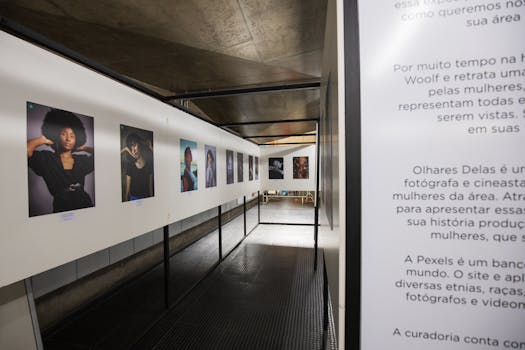
Stylish photography exhibition focusing on women's portraits in an art gallery setting. Photo: Matheus Bertelli / Pexels
The question, "what is contemporary art definition?" is perhaps one of the most frequently asked, and simultaneously most challenging, inquiries within the art world. Unlike historical art periods with clear stylistic boundaries and definitive end dates, contemporary art is a living, breathing entity, constantly in flux and defying easy categorization. Broadly speaking, contemporary art refers to art made from the latter half of the 20th century—typically from the 1960s or 1970s—up to the present day. However, this temporal definition is merely a starting point. Its true essence lies in its experimental nature, its engagement with current societal issues, and its profound rejection of a singular, dominant style. At its heart, contemporary art is characterized by its remarkable diversity. It encompasses a vast array of mediums, techniques, and conceptual approaches. Artists working today are not bound by the conventions that defined earlier art movements. They might use traditional oil paints and canvas, but just as easily employ video installations, performance art, digital media, found objects, or even living organisms as their chosen medium. This freedom from formal constraints is a hallmark of the contemporary period, allowing artists to select the most appropriate method to convey their ideas, rather than conforming to predefined artistic norms. This often leads to works that are provocative, challenging, and sometimes even bewildering to those accustomed to more traditional forms of art. The emphasis shifts from mere aesthetic appeal to intellectual engagement and emotional resonance. Furthermore, contemporary art is deeply reflective of its time. It often addresses pressing global concerns such as globalization, identity politics, environmental issues, technological advancements, social justice, and the complexities of human experience in the modern era. Artists serve as cultural commentators, using their work to provoke thought, spark dialogue, and sometimes even instigate change. This makes contemporary art not just a visual experience, but an intellectual and often political one. It invites viewers to confront uncomfortable truths, question established norms, and see the world from new perspectives. Understanding this intrinsic connection to current events is crucial to grasping the full scope of what contemporary art aims to achieve. It’s not just about what you see, but what it makes you think and feel about the world we inhabit. For a deeper dive into how art shapes society, explore the history of art movements. This dynamic interplay between art and society defines much of the contemporary landscape, making it a vital mirror to our collective consciousness. The very definition remains fluid, precisely because the world it reflects is also in constant motion.

Key Characteristics and Defining Features of Contemporary Art
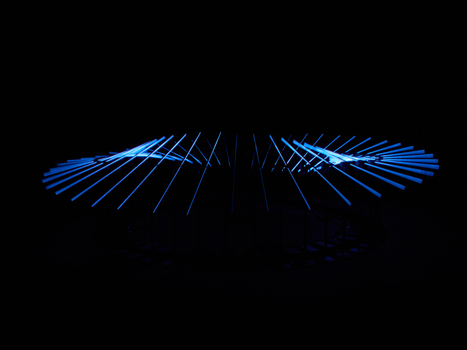
A captivating abstract blue light sculpture glows against a black background. Photo: Alexandr Meadow / Pexels
Moving beyond its chronological placement, several key characteristics help define and distinguish contemporary art from its predecessors. One of the most significant is its emphasis on concept over aesthetics. While beauty and craftsmanship are still valued, many contemporary artworks prioritize the idea or message behind the piece above all else. This conceptual focus often means that the artwork itself might not conform to traditional notions of beauty or even be visually appealing in a conventional sense. The experience of engaging with the art becomes a mental exercise, a decoding of meaning and intent, rather than solely an appreciation of visual form. This can be a challenging shift for viewers accustomed to more straightforward artistic expressions. Another defining feature is its interdisciplinary nature. Contemporary artists frequently blur the lines between different art forms and even between art and other fields like science, technology, and philosophy. Performance art, for instance, combines elements of theater, dance, and visual art. Installation art transforms entire spaces, creating immersive environments that engage multiple senses. Digital art utilizes programming and new media to create interactive experiences. This willingness to cross boundaries and experiment with new formats reflects a broader cultural trend of breaking down silos and embracing hybridity. It also allows artists greater freedom to choose the most effective medium for their specific message, regardless of traditional classifications. Furthermore, contemporary art often embraces an anti-establishment or questioning stance. Many artists challenge the authority of traditional art institutions, the commodification of art, and conventional ideas about what constitutes 'art' itself. This can manifest in works that are deliberately provocative, humorous, or even seemingly mundane, forcing viewers to reconsider their preconceived notions. The rise of street art, for example, directly challenges the gallery system by bringing art to public spaces, making it accessible to everyone and often carrying strong social or political messages. This subversive streak is a powerful undercurrent, contributing to the ever-evolving nature of contemporary art and its refusal to be easily contained or defined. The lack of a single, unifying aesthetic means that contemporary art is a landscape of individual voices, each contributing to a rich and complex dialogue about our world. It's a space where artists are not just creators, but also thinkers, innovators, and often, provocateurs.

Navigating the Landscape: Understanding Contemporary Art Movements
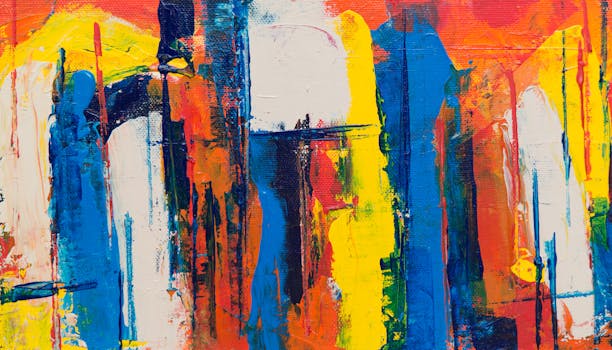
Colorful abstract painting with bold strokes and mixed media textures. Photo: Steve A Johnson / Pexels
To truly grasp what is contemporary art definition, it's helpful to understand that it's not a single movement but rather an umbrella term encompassing a multitude of diverse and often overlapping movements and practices. Unlike earlier periods like Impressionism or Cubism, which had relatively clear stylistic tenets and timelines, contemporary art is characterized by its pluralism. There isn't one dominant 'ism' that defines the era. Instead, we see a proliferation of approaches, each contributing to the rich tapestry of artistic expression. Some notable movements and trends within the contemporary period include: * **Postmodernism:** While often debated, postmodernism is a crucial precursor and component of contemporary art. It critiques modernism's grand narratives and universal truths, embracing irony, pastiche, and a questioning of authority. Many contemporary artists operate within a postmodern framework, even if they don't explicitly label themselves as such. * **Conceptual Art:** Emphasizes the idea or concept behind the artwork over its material form. The artwork can be anything that serves the idea, from a written statement to a transient performance. This movement profoundly influenced subsequent contemporary practices. * **Performance Art:** Involves the artist's body and actions as the primary medium, often presented live to an audience. It challenges traditional notions of art objects and often explores themes of identity, ritual, and social commentary. * **Installation Art:** Transforms a space, often a gallery room, into an immersive environment. It engages the viewer's entire body and senses, creating a site-specific experience. * **Video Art:** Utilizes video technology as an artistic medium, often exploring narratives, abstract forms, or documentary-style content. Its evolution is closely tied to technological advancements. * **Street Art/Graffiti Art:** Art created in public spaces, often without permission, carrying social or political messages. It challenges the traditional gallery system and brings art directly to the people. * **Digital Art:** Art created using digital technology, including computer graphics, animation, virtual reality, and interactive media. This is a rapidly expanding field, constantly pushing the boundaries of what art can be. This non-exhaustive list merely scratches the surface, illustrating the vast range of practices. What unites these disparate approaches is often a shared spirit of inquiry, a willingness to break conventions, and a desire to engage with the complexities of the contemporary world. Each movement, in its own way, contributes to the ongoing redefinition of art itself. For insights into earlier periods that set the stage for these developments, consider exploring the evolution of modern art. Understanding these varied currents is key to appreciating the depth and breadth of contemporary artistic endeavors, allowing viewers to approach each piece with an open mind and a readiness to engage with its unique proposition.

Tips for Engaging with Contemporary Art and Common Misconceptions
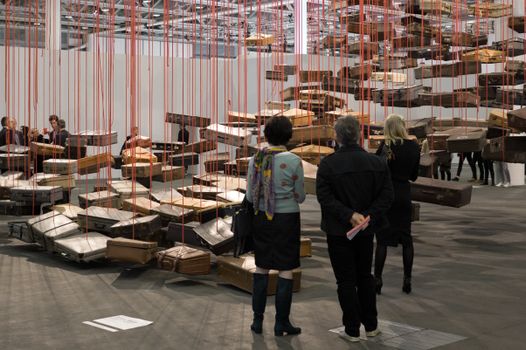
Visitors explore artistic installations of suspended luggage at a modern art exhibition. Photo: mali maeder / Pexels
Engaging with contemporary art can sometimes feel intimidating, but a few simple tips can enhance your experience and deepen your understanding. First and foremost, approach contemporary art with an open mind. Let go of preconceived notions about what art 'should' be. It's not always about beauty in the traditional sense, or about technical mastery of a specific craft. Instead, be prepared to be challenged, to think, and to feel. Often, the most rewarding experiences come from works that initially confuse or even frustrate you. Secondly, read the wall texts and artist statements. Unlike older art, where the visual narrative might be self-evident, contemporary art often benefits immensely from contextual information. Artists frequently provide insights into their intentions, the concepts they are exploring, and the materials they have used. This information can unlock layers of meaning that might not be immediately apparent, transforming a seemingly obscure piece into a profound statement. Thirdly, don't be afraid to ask questions, whether to gallery staff, docents, or even yourself. What is the artist trying to say? Why did they choose this particular medium? How does this work relate to current events or broader societal issues? Engaging in this internal or external dialogue is a crucial part of the contemporary art experience. It's less about finding a single 'correct' answer and more about exploring the possibilities and forming your own interpretations. Finally, accept that you won't always 'get it,' and that's perfectly okay. Contemporary art is vast and diverse, and not every piece will resonate with every viewer. The goal isn't necessarily to like everything, but to engage critically and find what speaks to you. Enjoy the journey of discovery, rather than seeking definitive conclusions. Embrace the ambiguity. **Common Misconceptions about Contemporary Art:** * **"It's not 'real' art."** This dismissive attitude overlooks the profound conceptual and technical skills involved, even if they don't conform to traditional standards. * **"Anyone could do that."** While some contemporary art might appear simple, the underlying concept, research, and artistic intent are often complex and deeply considered. * **"It's just for the elite."** While the art market can be exclusive, many contemporary artists aim to make their work accessible and engage with broader audiences through public installations, digital platforms, and community projects. * **"It has no meaning."** On the contrary, contemporary art is often rich with meaning, symbolism, and commentary on the world. The meaning may simply require more active interpretation from the viewer. * **"It's all about shock value."** While some artists use shock to provoke thought, it's rarely the sole purpose. It's usually a means to an end, drawing attention to deeper issues or challenging complacency.

Comparison

FeatureContemporary ArtModern ArtClassical Art
Time Period1960s/70s - Present1860s - 1970sAntiquity - 18th Century
Dominant FocusConcept, Social Issues, DiversityInnovation, Abstraction, FormalismIdealism, Mythology, Religion
MediumsAll, including new media (video, digital, performance)Painting, Sculpture, PhotographyPainting, Sculpture, Architecture
Viewer EngagementActive interpretation, questioning, dialogueAppreciation of form, technique, emotionAdmiration of skill, narrative, beauty
Defining StylePluralistic, no single styleMultiple 'isms' (Cubism, Surrealism)Renaissance, Baroque, Rococo, etc.
Challenges Norms
Reflects Current EventsOften indirectly

What Readers Say

"This article completely demystified what is contemporary art definition for me. I used to feel lost in galleries, but now I understand the conceptual depth and diverse mediums much better."

Sarah L. · Brooklyn, NY

"As an aspiring artist, this piece provided invaluable insight into the characteristics and movements that define contemporary art. It's a fantastic resource for anyone looking to engage more deeply."

Mark T. · Los Angeles, CA

"The detailed breakdown of key features and common misconceptions directly addresses the challenges many face when approaching contemporary art. My next gallery visit will be much more enriching thanks to this guide."

Dr. Elena R. · Chicago, IL

"While comprehensive, I wish there were more specific examples of artists for each movement. However, the explanation of concept over aesthetics was a game-changer in understanding what is contemporary art definition."

David P. · Austin, TX

"I always thought contemporary art was just 'weird,' but this article helped me see its profound connection to society and current issues. It's made me want to explore local exhibitions."

Chen W. · Seattle, WA

Frequently Asked Questions

What is the primary difference between modern and contemporary art?

The primary difference is their timeline and often their philosophical approach. Modern art generally refers to art from the 1860s to the 1970s, characterized by a break from traditional forms and an emphasis on innovation and abstraction. Contemporary art, from the 1960s/70s to the present, is more diverse, often conceptual, and deeply engaged with current social, political, and cultural issues, frequently using new media.

Why does contemporary art often seem confusing or unappealing to some viewers?

Contemporary art can be confusing because it often prioritizes concept over traditional aesthetics, challenges established norms, and uses unconventional mediums. It requires active interpretation and an open mind, rather than passive appreciation. Its goal is often to provoke thought and dialogue, not just to be beautiful.

How can I start appreciating contemporary art if I'm a beginner?

Start by visiting local contemporary art galleries or museums. Read the wall texts and artist statements carefully to understand the context and ideas. Don't be afraid to feel confused or to ask questions. Focus on understanding the artist's intent and how the work relates to the world, rather than just its visual appeal.

Is contemporary art considered a good investment?

Investing in contemporary art can be highly speculative. While some pieces by established or emerging artists can appreciate significantly, many do not. Investment should not be the primary motivation for engaging with art. It's crucial to consult with art market experts if investment is your goal, and remember that art's value often extends beyond monetary gain.

How does contemporary art compare to street art or graffiti?

Street art and graffiti are significant sub-genres within contemporary art. While not all contemporary art is street art, and not all street art is traditionally exhibited, much of what falls under street art shares contemporary art's characteristics: engagement with social commentary, challenging conventions, and using unconventional spaces or mediums. They both reflect a desire to make art accessible and relevant to a broader public.

Who should engage with contemporary art?

Anyone with an interest in understanding the world around them, exploring new ideas, and challenging their perceptions should engage with contemporary art. It's for curious minds, critical thinkers, and those open to experiencing diverse forms of expression. It's not exclusive to art scholars or professionals.

Are there any risks in interpreting contemporary art incorrectly?

There's no single 'correct' interpretation for most contemporary art. The 'risk' isn't in being wrong, but perhaps in not engaging deeply enough or dismissing a piece without trying to understand its context. Contemporary art often invites multiple readings and personal connections, so your interpretation is valid as long as it's thoughtfully considered.

What are the future trends in contemporary art?

Future trends in contemporary art are likely to continue leveraging technology, with increasing exploration of AI-generated art, virtual and augmented reality, and blockchain-based art (NFTs). Environmental themes, social justice, and global identity will remain central. Expect further blurring of disciplinary boundaries and an ongoing emphasis on immersive and interactive experiences.

Ready to deepen your connection with the art of our time? Explore local galleries, engage with online exhibitions, and continue to question, learn, and discover. Understanding what is contemporary art definition opens up a world of profound insight and dynamic cultural dialogue.

Topics: contemporary art definitionmodern art explainedpost-modern artart movements todayunderstanding contemporary art
Leo List

DK Escorts LU Escorts AT Escorts SE Escorts FI Escorts CH Escorts DE Escorts HR Escorts IE Escorts GR Escorts CZ Escorts NO Escorts BE Escorts FR Escorts SI Escorts IL Escorts NL Escorts PL Escorts HU Escorts ES Escorts IT Escorts PT Escorts SK Escorts RO Escorts ZA Escorts UY Escorts US Escorts UK Escorts NZ Escorts AU Escorts
Brampton weed
Adultwork EstrelaBet Vai de Bet R7 Bet Betão Galera Bet Rainbet Bet9ja Shop SportyBet BetKing Sisal Loto Foot Hollywoodbets YesPlay Odibets RushBet Jugabet BetWarrior BetCity MSport betPawa Fortebet