✓ Art is broadly categorized into Visual, Performing, and Literary Arts.
✓ Visual arts include painting, sculpture, photography, and digital art.
✓ Performing arts encompass music, dance, theater, and film.
✓ Literary arts are expressed through poetry, prose, and drama.
How It Works
1
Understand the Core Categories
Begin by grasping the three primary umbrellas under which most art forms fall: Visual, Performing, and Literary. This foundational knowledge helps contextualize specific disciplines.
2
Delve into Visual Expressions
Explore the rich world of visual arts, from traditional mediums like painting and sculpture to modern forms such as photography and digital installations. Recognize how artists use sight to convey meaning.
3
Experience Live Performances
Immerse yourself in performing arts, appreciating the ephemeral nature of music, dance, and theater. Understand how artists use their bodies, voices, and instruments to create a live experience.
4
Engage with Written Narratives
Discover the power of literary arts, analyzing how words can build worlds, evoke emotions, and tell stories through poetry, novels, and plays. Appreciate the craft of language in artistic expression.
The Foundation: Understanding the Broad Categories of Art
Photo: Maria Mileta / Pexels
Art, in its most expansive definition, is a diverse range of human activities involving the creation of visual, auditory, or performing artifacts (artworks), expressing the author's imaginative or technical skill, intended to be appreciated for their beauty or emotional power. To truly grasp what are the different types of art, it's essential to first understand the overarching categories that structure this vast landscape. These categories are not rigid boundaries but rather helpful frameworks for navigating the immense variety of human creative expression. Historically, art has been classified in numerous ways, evolving with cultural shifts and technological advancements. However, for a comprehensive overview, we primarily consider three major classifications: Visual Arts, Performing Arts, and Literary Arts.
Visual Arts encompass any art form whose primary medium is visual. This includes traditional forms like painting, sculpture, and drawing, as well as more contemporary expressions such as photography, film, digital art, and architecture. The visual arts appeal directly to our sense of sight, often conveying narratives, emotions, or abstract concepts through color, form, line, and texture. They are typically static, allowing for prolonged contemplation, though time-based visual arts like video installations introduce a dynamic element. The impact of visual art can be immediate and profound, or it can unfold gradually as the viewer engages with its intricacies. Think of the awe inspired by Michelangelo's 'David' or the contemplative mood evoked by a Rothko painting. The accessibility of visual art has also expanded dramatically with digital platforms, allowing global audiences to experience masterpieces and emerging works alike. Understanding the nuances within visual arts requires appreciating both the medium and the artist's intent. For instance, a portrait painter uses different techniques and aims than a conceptual artist working with found objects. The evolution of visual arts reflects societal changes, technological innovations, and philosophical movements, constantly pushing the boundaries of what is considered artistic expression.
Performing Arts, by contrast, are dynamic and ephemeral. They involve artists using their bodies, voices, or instruments to convey artistic expression in front of a live audience. This category includes music, dance, theater, opera, and performance art. Unlike visual arts, which often result in a tangible object, performing arts are experienced in the moment; their existence is tied to the act of performance itself. While recordings can capture aspects of a performance, they can never fully replicate the live experience, which includes the energy exchange between performers and audience, the acoustics of the space, and the unique improvisations of the moment. The performing arts are deeply rooted in human ritual and storytelling, often serving as powerful vehicles for cultural identity, social commentary, and emotional catharsis. A ballet tells a story through movement, an orchestra evokes emotions through sound, and a play explores human conditions through dialogue and action. The collaborative nature of many performing arts, involving directors, choreographers, musicians, and actors, highlights the collective effort required to bring these artistic visions to life. The fleeting nature of performance lends it a special kind of magic, making each viewing a unique event.
Literary Arts focus on the written word as the primary medium for artistic expression. This category includes poetry, prose (novels, short stories, essays), and drama (plays, screenplays). Literary artists use language to create narratives, evoke emotions, explore ideas, and build imaginary worlds. The power of literary art lies in its ability to transport the reader, to stimulate imagination, and to foster empathy by offering insights into diverse human experiences. While visual and performing arts engage the senses directly, literary arts engage the intellect and imagination, allowing the reader to co-create meaning. The structure, rhythm, and choice of words are paramount in literary art, shaping the reader's experience. From the epic sagas of ancient Greece to contemporary digital poetry, literary forms have continuously evolved, reflecting changes in language, society, and technology. The enduring legacy of literary works speaks to their profound impact on human thought and culture, shaping perceptions and preserving histories across generations. These three broad categories provide a foundational understanding for exploring the intricate world of art.
Diving Deeper: Exploring Specific Visual Art Forms
Photo: Steve A Johnson / Pexels
Having established the broad categories, let's now delve into the specifics of Visual Arts, understanding the distinct characteristics and historical significance of various forms. This exploration will illuminate the incredible breadth of human ingenuity and expression found within this category. Each medium presents unique challenges and opportunities, leading artists to develop specialized skills and approaches.
**Painting** is arguably one of the oldest and most universally recognized forms of visual art. It involves applying pigment to a surface, creating images, designs, or abstract compositions. The sheer variety in painting is astonishing: from ancient cave paintings to Renaissance masterpieces, Impressionist landscapes, and contemporary abstract works. Techniques vary widely, including oil painting, acrylics, watercolor, tempera, and fresco, each offering different textures, drying times, and luminosity. The choice of medium often dictates the artist's approach and the final aesthetic. Painting can be representational, depicting recognizable subjects, or abstract, focusing on form, color, and line for their intrinsic aesthetic value. Its enduring appeal lies in its capacity to capture moments, tell stories, convey emotions, and explore philosophical ideas through color and form.
**Sculpture** is the art of creating three-dimensional forms. Unlike painting, which is confined to a two-dimensional surface, sculpture occupies space, allowing viewers to experience it from multiple angles. Traditional methods include carving (stone, wood), modeling (clay), casting (bronze), and assembling (found objects). Modern sculpture has expanded to include installations, kinetic art (moving sculptures), and land art. Sculptors manipulate materials to create figures, abstract forms, or architectural elements, often engaging with themes of permanence, gravity, and the human condition. The tactile nature of sculpture, and its interaction with light and shadow, provides a unique sensory experience.
**Photography** emerged in the 19th century and revolutionized visual art by offering a seemingly objective way to capture reality. However, photography is far from purely objective; it involves artistic choices in composition, lighting, subject matter, and post-processing. From portraiture and landscape photography to photojournalism and conceptual photography, this medium has become an indispensable tool for documentation, storytelling, and artistic expression. Digital photography has further expanded its reach, allowing for instant capture and manipulation, blurring the lines between capturing reality and creating new visual narratives.
**Digital Art** is a relatively new but rapidly expanding field that utilizes digital technology as part of the creative process. This includes computer-generated imagery (CGI), digital painting, digital sculpture, interactive installations, and virtual reality (VR) art. Digital artists leverage software and hardware to create works that might be impossible or impractical in traditional mediums. Its interactive potential and ability to disseminate globally via the internet make it a powerful medium for contemporary expression, challenging traditional notions of art ownership and exhibition. The dynamic and often immersive nature of digital art offers entirely new ways for audiences to engage with artistic creations.
**Architecture** is often considered both an art and a science, concerned with the design and construction of buildings and other physical structures. As an art form, it involves aesthetic considerations, spatial relationships, and the creation of environments that evoke specific feelings or serve particular purposes. From ancient pyramids to Gothic cathedrals, modern skyscrapers, and sustainable eco-buildings, architecture reflects cultural values, technological capabilities, and artistic visions. It shapes our daily lives and defines our urban and natural landscapes, making it one of the most pervasive and impactful forms of visual art. The interplay of function, form, and material is central to architectural design, making it a complex yet profoundly influential artistic discipline.
The Dynamic World: Exploring Specific Performing and Literary Arts
Photo: cottonbro studio / Pexels
Moving beyond the visual, we now turn our attention to the dynamic and engaging realms of Performing Arts and Literary Arts. These forms, while distinct in their execution, share the common goal of communicating human experience, emotion, and ideas through different sensory and intellectual pathways. Understanding what are the different types of art requires appreciating the ephemeral beauty of performance and the enduring power of the written word.
Within the **Performing Arts**, the diversity is as rich as it is captivating:
**Music** is perhaps the most universal of all art forms, transcending linguistic and cultural barriers. It is the art of arranging sounds in time to produce a composition through the elements of melody, harmony, rhythm, and timbre. From classical symphonies and jazz improvisations to rock anthems and electronic soundscapes, music evokes powerful emotions, tells stories, and provides soundtracks to our lives. The artist, whether a composer, instrumentalist, or vocalist, uses sound as their primary medium. The emotional resonance of music is profound, capable of stirring joy, sorrow, excitement, or tranquility. Its structure can be highly complex or beautifully simple, but its impact on the human psyche is undeniable. The live performance of music, with its shared experience between musicians and audience, creates a unique, communal energy.
**Dance** uses the human body as its primary instrument of expression. It is a sequence of movements, often to music, used as a form of expression, social interaction, or performance. From classical ballet and contemporary dance to traditional folk dances and hip-hop, dance communicates narratives, emotions, and abstract concepts through movement, gesture, and spatial relationships. Choreographers and dancers collaborate to create works that explore themes of identity, relationship, and the physical limits of the body. The athleticism, grace, and storytelling potential of dance make it a powerful and visually stunning art form. Each movement is a brushstroke, creating a living sculpture that evolves in time and space.
**Theater** (or Drama) involves live performers presenting the experience of a real or imagined event before a live audience in a specific place. It encompasses a wide range of genres, including tragedy, comedy, musical theater, and experimental performance. Actors use dialogue, gesture, song, music, and spectacle to tell stories and explore human conditions. The collaborative nature of theater, involving playwrights, directors, designers, and performers, creates a complex tapestry of artistic contributions. The immediacy of live theater, where anything can happen, fosters a unique connection between performers and audience, making each performance a unique and unrepeatable event. The magic of storytelling comes alive on stage, inviting reflection and empathy.
**Film** (or Cinema) is a powerful modern performing art form that combines visual images, sound, and narrative to create moving pictures. It shares elements with theater (storytelling, acting) and visual arts (composition, cinematography) but adds the unique dimension of cinematic language: editing, camera movement, and special effects. From silent films to epic blockbusters and independent documentaries, film has become a dominant medium for entertainment, education, and artistic expression globally. The ability of film to transport viewers to different worlds and perspectives makes it an incredibly influential art form, shaping cultural narratives and collective consciousness.
Now, let's explore the **Literary Arts** in more detail:
**Poetry** is a form of literature that uses aesthetic and rhythmic qualities of language – such as phonaesthetics, sound symbolism, and metre – to evoke meanings in addition to, or in place of, prosaic ostensible meaning. It often employs figurative language, imagery, and symbolism to convey complex emotions and ideas concisely. From ancient epics to haikus and free verse, poetry has been a profound way to explore the human spirit, nature, and philosophical questions. Its power lies in its ability to distill vast experiences into potent linguistic structures.
**Prose** encompasses written or spoken language in its ordinary form, without metrical structure. This includes novels, short stories, essays, and non-fiction books. Novels, in particular, are extended fictional narratives that delve deep into characters, plots, and themes, often spanning years or generations. Short stories offer concise narratives, while essays explore ideas and arguments. Prose provides a versatile medium for storytelling, analysis, and communication, building intricate worlds and engaging readers' imaginations over extended periods. The novel, as a form, allows for unparalleled character development and plot complexity, offering a sustained immersive experience.
**Drama** refers to the literary form of plays written for performance. While closely linked to theater as a performing art, drama as a literary art form focuses on the written script—the dialogue, stage directions, and narrative structure crafted by the playwright. Reading a play allows for an appreciation of its literary qualities, character development, and thematic depth independent of a specific performance. Playwrights like Shakespeare, Miller, and Williams have created enduring works that are studied and performed for centuries, demonstrating the timeless power of dramatic writing.
Beyond the Traditional: Emerging and Hybrid Art Forms
Photo: www.kaboompics.com / Pexels
As society evolves and technology advances, so does the definition and scope of art. Understanding what are the different types of art today means looking beyond the traditional classifications to acknowledge emerging and hybrid forms that continually push creative boundaries. These newer categories often blend elements from established disciplines, creating innovative experiences and challenging our perceptions of what art can be. This ongoing evolution demonstrates the inherent dynamism of human creativity and its capacity to adapt and innovate.
One significant area of growth is **Installation Art**. This form involves the creation of a site-specific artistic environment, often temporary, designed to transform the perception of a space. Installations can be visual, auditory, tactile, or even olfactory, engaging multiple senses. They might incorporate sculpture, light, sound, video, and found objects to create an immersive experience for the viewer. Unlike a painting or sculpture that is viewed, an installation is entered and experienced, often prompting reflection on the environment, societal issues, or the act of viewing itself. Artists like Yayoi Kusama or James Turrell are renowned for their captivating and immersive installations.
**Performance Art**, while falling under the broader umbrella of performing arts, deserves special mention for its unique approach. It is a time-based art form that involves a live presentation, usually by the artist, but can also involve collaborators and audience participation. Unlike traditional theater, performance art often lacks a conventional narrative or character development. Instead, it focuses on the artist's actions, body, and presence as the primary medium, often exploring conceptual ideas, social critiques, or personal experiences. It can be provocative, challenging, and ephemeral, with its impact often residing in the memory or documentation of the event. Artists such as Marina Abramović have redefined the boundaries of performance art, using their bodies as powerful tools for expression.
**Digital and New Media Art** represents a vast and rapidly expanding category. Beyond digital painting and photography, it includes interactive art, net art, virtual reality (VR) art, augmented reality (AR) art, generative art, and bio-art. These forms leverage computer technology, networks, and scientific advancements to create experiences that are often interactive, mutable, and globally accessible. VR art, for instance, allows viewers to step into entirely constructed digital worlds, while generative art uses algorithms to create unique visual or auditory compositions. This field is constantly innovating, blurring the lines between artist, audience, and technology, and raising new questions about authorship and authenticity.
**Street Art** encompasses various forms of unsanctioned artwork executed in public locations. This includes graffiti, stencil art, sticker art, wheatpasting, and street installations. Often politically charged or socially conscious, street art aims to engage a wider audience outside traditional gallery spaces. It transforms urban landscapes, offering spontaneous artistic interventions that challenge commercial advertising and established norms. While sometimes controversial, street art has gained increasing recognition for its artistic merit and its ability to foster public dialogue. Artists like Banksy have brought global attention to the power and reach of this art form.
Finally, **Hybrid Art Forms** are those that deliberately combine elements from two or more distinct art categories. Think of opera, which merges music, theater, and visual design; or multimedia installations that combine video, sound, and sculpture. Video game design, too, can be seen as a hybrid art, blending visual art, narrative, sound design, and interactive elements. These cross-disciplinary approaches often lead to the most innovative and thought-provoking works, demonstrating that the boundaries between art forms are fluid and constantly being redefined by creative minds. The emergence of these forms signifies a contemporary shift towards interconnectedness and interdisciplinary exploration in the arts, reflecting a world that is increasingly complex and interconnected.
Navigating the Art World: Tips for Appreciation and Engagement
Understanding what are the different types of art is just the beginning; truly appreciating and engaging with the art world requires an open mind and a willingness to explore. For newcomers and seasoned enthusiasts alike, there are always new ways to deepen your connection with creative expression. Here are some invaluable tips to enhance your journey through the diverse landscape of art:
**1. Be Open to New Experiences:** Don't limit yourself to what you already know or like. Attend a ballet if you're usually a museum-goer, read a poetry collection if you stick to novels, or visit an experimental gallery. Each art form offers a unique lens through which to view the world, and expanding your horizons can lead to unexpected discoveries and new passions. The beauty of art often lies in its ability to challenge perceptions and introduce novel perspectives.
**2. Do Your Homework (but don't let it dictate):** A little research can go a long way. Before visiting an exhibition or attending a performance, learn about the artist, the historical context, or the movement it belongs to. This background information can enrich your understanding and appreciation. However, don't let academic knowledge overshadow your personal response. Your emotional and intellectual reaction is valid, regardless of whether it aligns with critical consensus.
**3. Engage Your Senses and Emotions:** Art is meant to be felt, not just understood. When looking at a painting, consider the colors, textures, and composition. At a concert, let the music wash over you. When reading a book, allow yourself to be transported into its world. Don't be afraid to ask yourself: 'How does this make me feel?' or 'What does this remind me of?' Personal connection is key to deep appreciation.
**4. Visit Diverse Venues:** Art isn't confined to grand museums and concert halls. Explore local galleries, community theaters, open mic nights, street art tours, and public art installations. The art scene is vibrant and diverse, and often some of the most exciting and accessible works can be found in unexpected places. Supporting local artists and venues also contributes to a thriving creative ecosystem.
**5. Discuss and Share Your Experiences:** Talk about art with friends, family, or online communities. Hearing different interpretations and perspectives can broaden your own understanding and highlight aspects you might have missed. Art is a conversation, and engaging in dialogue enriches the experience for everyone involved. Sharing your insights can also help others discover new art forms or artists.
**6. Consider the Artist's Intent (but allow for your own interpretation):** While an artist often has a specific message or emotion they wish to convey, your interpretation of a work is equally valid. Art is subjective, and its meaning can evolve with each viewer. Understanding the artist's background or statement can provide valuable context, but it shouldn't be a barrier to forming your own personal connection and meaning.
**7. Don't Be Afraid to Dislike Something:** Not every piece of art will resonate with you, and that's perfectly fine. It's okay to not like a particular style, artist, or movement. The important thing is to understand *why* you don't connect with it. This self-reflection can often reveal more about your own tastes and preferences, helping you to refine your artistic palate rather than simply dismissing an entire category. Your journey through art is personal and evolving, and it's a lifelong process of discovery and appreciation.
Comparison
Feature
Visual Arts
Performing Arts
Literary Arts
Primary Medium
Sight (color, form, line)
Body, voice, sound
Written word (language)
Tangibility
Often tangible (painting, sculpture)
Ephemeral (live experience)
Tangible (books, scripts)
Audience Engagement
Contemplative, individual
Live, communal, dynamic
Individual, imaginative
Examples
Painting, Sculpture, Photography
Music, Dance, Theater
Poetry, Novels, Plays
Time Dimension
Static (mostly), time-based (film)
Dynamic, real-time
Sequential, reader-paced
What Readers Say
★★★★★
"This article on what are the different types of art completely opened my eyes! I always thought of art as just paintings, but now I have a much deeper appreciation for music, dance, and even architecture. It's incredibly comprehensive."
Sarah J. · Brooklyn, NY
★★★★★
"As an aspiring artist, understanding what are the different types of art is crucial. This guide provides an excellent framework, highlighting the nuances between categories and inspiring me to explore new mediums. Truly helpful."
Mark D. · Austin, TX
★★★★★
"I used to feel intimidated by art, but this breakdown of what are the different types of art made it so approachable. The explanations were clear and concise, and I now feel confident discussing various art forms with friends. A fantastic resource!"
Elena R. · Chicago, IL
★★★★★
"While the article provided a great overview of what are the different types of art, I would have loved to see a bit more on installation art's historical progression. Still, it's a solid foundation for anyone curious about the subject."
David L. · Seattle, WA
★★★★★
"My art history class benefited immensely from this article. It clearly defined and differentiated what are the different types of art, making complex concepts easy to understand. It's now a go-to reference for me."
Chloe P. · Miami, FL
Frequently Asked Questions
What is the most fundamental way to categorize art?
The most fundamental way to categorize art is into three broad types: Visual Arts (things you see, like painting or sculpture), Performing Arts (things you experience live, like music or dance), and Literary Arts (things you read, like novels or poetry). These categories help encompass the vast majority of human creative expression.
Are digital arts considered a 'type of art' or a medium?
Digital arts are primarily a medium, but due to their expansive nature and the unique creative processes involved, they are often discussed as a distinct contemporary 'type' or category within the broader visual arts. They utilize digital technology as a core component, enabling new forms of expression not possible with traditional tools.
How do I start appreciating art if I'm a beginner?
Start by visiting local museums, galleries, or attending performances that pique your interest. Don't feel pressured to understand everything; simply observe, feel, and reflect on your personal reactions. Read about the artists or movements, and gradually, your appreciation and knowledge will grow. The key is curiosity and an open mind.
Is architecture considered an art form?
Yes, architecture is widely considered an art form. While it serves functional purposes, it also involves aesthetic design, spatial composition, and cultural expression, making it a powerful visual art that shapes our environment and reflects societal values. Great architecture combines utility with beauty and profound conceptual thought.
What is the difference between performing arts and performance art?
Performing arts is a broad category encompassing traditional forms like music, dance, and theater, which often follow established scripts or choreographies. Performance art, on the other hand, is a specific, often conceptual art form within the performing arts, where the artist's body and actions are the primary medium, typically without a fixed narrative and often challenging conventional artistic boundaries.
Who benefits most from understanding the different types of art?
Everyone can benefit, but particularly students, aspiring artists, art enthusiasts, and anyone interested in cultural literacy. Understanding the diverse types of art enriches one's appreciation of human creativity, fosters critical thinking, and provides a deeper insight into various cultures and historical periods. It broadens one's perspective on the world.
Can art be considered dangerous or controversial?
Yes, art can definitely be dangerous or controversial. Throughout history, artists have used their work to challenge social norms, question authority, or depict uncomfortable truths. This can lead to censorship, public outcry, or even persecution for the artists. The power of art to provoke thought and emotion means it can also be disruptive and confrontational.
What are some future trends in art?
Future trends in art are likely to include further integration of AI and machine learning in creation, increased use of immersive technologies like VR/AR for audience engagement, greater emphasis on sustainable and eco-conscious art practices, and continued exploration of hybrid forms that blur traditional boundaries between disciplines. Socially engaged and activist art will also remain prominent.
Embark on your own artistic journey today by exploring the rich tapestry of human creativity. Whether you're drawn to a canvas, a stage, or the written page, understanding what are the different types of art will deepen your appreciation and open new worlds of inspiration.

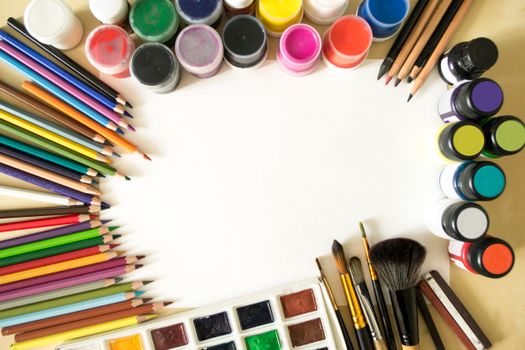 Photo: Maria Mileta / Pexels
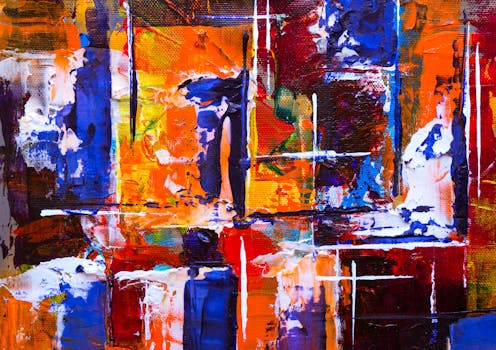 Photo: Steve A Johnson / Pexels
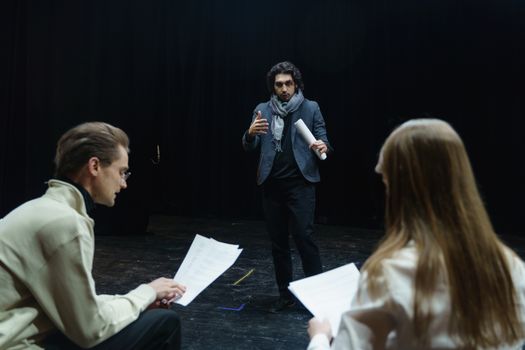 Photo: cottonbro studio / Pexels
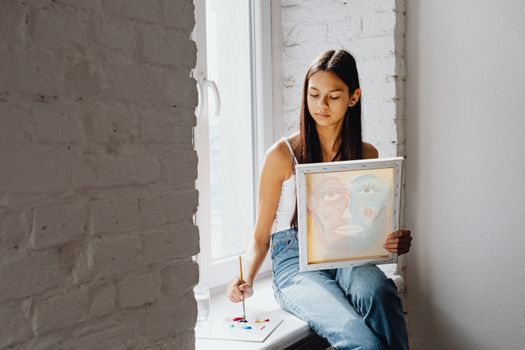 Photo: www.kaboompics.com / Pexels