✓ Original art doesn't have to be expensive; many emerging artists offer accessible price points.
✓ Online platforms and local art markets are excellent resources for finding unique pieces.
✓ Collecting affordable original art allows for personal expression and supports artists directly.
✓ Understanding different mediums and artist backgrounds can help you make informed purchasing decisions.
How It Works
1
Define Your Style & Budget
Before diving in, consider what art styles resonate with you and set a realistic budget. This will narrow your search and prevent impulse buys.
2
Explore Diverse Marketplaces
Look beyond traditional galleries. Online platforms, art fairs, student exhibitions, and artist studios are goldmines for affordable original art.
3
Connect with Artists
Engage with artists directly to learn about their process and inspiration. This personal connection can enhance your appreciation for the piece and often leads to better deals.
4
Make Your Purchase & Display
Once you find a piece you love, make an informed purchase. Then, proudly display your unique artwork, transforming your space with personal flair.
The Myth of Expensive Original Art: Why You Can Afford It
Photo: www.kaboompics.com / Pexels
For too long, the world of original art has been perceived as an exclusive club, accessible only to the ultra-rich and seasoned collectors. This misconception has unfortunately deterred countless individuals from exploring the profound joy and personal enrichment that comes from owning a truly unique, handmade piece. The truth is, the landscape of art acquisition has dramatically shifted, making affordable original art more accessible than ever before. It's time to dismantle the myth that 'original' automatically means 'expensive.'
Many factors contribute to the price of a piece of art. For established artists with decades of exhibitions, auction records, and institutional recognition, prices naturally reflect their market value and historical significance. However, the art world is a vast ecosystem, teeming with brilliant emerging artists, art students, and mid-career talents who are creating exceptional work and eager to connect with new audiences. These artists often price their work at a fraction of what more established names command, not because their work is of lesser quality, but because they are still building their reputations and market presence. Their pieces represent an incredible opportunity for collectors to acquire significant works before their prices inevitably rise.
Furthermore, the medium and scale of a piece significantly impact its cost. A large-scale oil painting might naturally be more expensive due to material costs and the sheer time involved, but a beautiful small-format drawing, a vibrant print from a limited edition, or an intricate ceramic sculpture can offer immense aesthetic value at a much lower price point. Don't overlook these smaller, yet equally impactful, options. They can be perfect for starting a collection or filling a particular nook in your home. The beauty of collecting art is that it's deeply personal; what resonates with you is what truly matters, not the price tag.
The rise of online art marketplaces has also democratized access to original art. These platforms connect artists directly with buyers, often cutting out the significant overhead costs associated with traditional galleries. This direct-to-consumer model allows artists to offer their work at more competitive prices while still earning a fair income. It also provides buyers with an unprecedented array of choices, allowing them to browse thousands of pieces from artists across the globe, all from the comfort of their home. This transparency and accessibility are key drivers in making original art a viable option for a wider audience, proving that owning a piece of history, a unique vision, or a handcrafted treasure is no longer an elite privilege.
Navigating the Market: Where to Find Your Next Masterpiece
Photo: Shir Danieli / Pexels
Finding affordable original art requires knowing where to look, and thankfully, the options are more diverse than ever before. Moving beyond the traditional high-end galleries opens up a world of possibilities for collectors on a budget, offering unique pieces that often come with compelling stories and direct connections to the artists.
Online art marketplaces are arguably the most revolutionary development in making art accessible. Websites like Etsy, Saatchi Art, Artfinder, and even Instagram have become powerful platforms for artists to showcase and sell their work directly. These sites feature thousands of artists working in every conceivable medium and style, often with transparent pricing. You can filter by price, style, medium, and even geographic location, making it incredibly efficient to discover pieces that fit your taste and budget. Many emerging artists use these platforms to build their initial collector base, offering stunning works at very reasonable prices. Always check artist reviews and shipping policies when buying online, and don't hesitate to message the artist with questions.
Beyond the digital realm, local art fairs and festivals are vibrant hubs for discovering talent. These events, common in cities and towns across the US, bring together numerous artists who set up booths to display and sell their work. You can chat with the artists in person, learn about their process, and often negotiate prices directly. The atmosphere is usually lively and informal, making it a fantastic way to spend a weekend and potentially stumble upon a hidden gem. Keep an eye on local community calendars or art council websites for upcoming events in your area.
Another often-overlooked source is university and art school exhibitions. Students, particularly those in their final year, often exhibit their thesis work, which represents years of dedication and artistic development. These pieces are frequently available for purchase at very attractive prices, offering a chance to acquire work from artists who are just beginning their careers. Many famous artists got their start this way, and owning an early work can be incredibly rewarding. Contact local art schools for their exhibition schedules. Similarly, local community art centers and non-profit galleries often host shows featuring local and regional artists, providing another avenue for finding unique, affordable pieces while supporting your local art scene. Don't forget about open studio events, where artists invite the public into their creative spaces, offering a glimpse into their process and often selling work directly from the studio.
Making an Informed Purchase: What to Consider When Buying
Photo: Godisable Jacob / Pexels
Acquiring affordable original art should be an exciting and rewarding experience, not a daunting one. To ensure you make an informed purchase that brings lasting joy, there are several key factors to consider beyond just the price tag. Thinking critically about these elements will help you distinguish between a fleeting interest and a piece that truly belongs in your collection.
Firstly, consider the medium and its inherent characteristics. Are you drawn to the vibrant textures of oil paint, the subtle transparency of watercolor, the bold lines of an ink drawing, or the tactile nature of sculpture? Each medium has its own unique qualities and conservation needs. Understanding these can help you appreciate the artist's skill and make appropriate choices for displaying and protecting your new acquisition. For example, works on paper might require framing under UV-protective glass, while a sturdy ceramic piece might be more forgiving in terms of display.
Secondly, research the artist if possible. While you won't find extensive auction histories for emerging artists, you can often find their artist statements, résumés (CVs), or social media profiles. An artist's statement provides insight into their inspirations, techniques, and the concepts behind their work, deepening your connection to the piece. Their CV might list past exhibitions, awards, or educational background, offering clues about their dedication and potential for future growth. A strong online presence often indicates an artist who is actively engaged in their practice and committed to building a career, which can be a good sign for potential collectors.
Thirdly, think about where the piece will live in your home. Consider its size, color palette, and overall mood in relation to your existing decor and the specific space you have in mind. Will it complement your furniture and other artworks, or will it serve as a striking focal point? While it's important to buy art you love, visualizing it in its intended setting can prevent buyer's remorse. Don't be afraid to take measurements of your wall space and even use painter's tape to mark out the dimensions of a potential piece to get a better sense of its scale. Remember, investing in art is about enriching your living space and your life.
Finally, always ask about the artist's return policy, especially when buying online. Reputable platforms and artists typically offer some form of return or exchange, giving you peace of mind. If purchasing in person at a fair or studio, inquire about their policy before finalizing the sale. Ensuring a clear understanding of the terms protects both you and the artist and makes the entire process smoother and more enjoyable. A thoughtful approach to these considerations ensures your affordable original art purchase is a truly satisfying one.
Tips for Smart Collecting and Avoiding Common Pitfalls
Photo: Patryk Balcerzak / Pexels
Embarking on the journey of collecting affordable original art is incredibly rewarding, but like any endeavor, it comes with its own set of best practices and potential pitfalls. By keeping a few smart tips in mind, you can maximize your enjoyment and ensure your collection grows thoughtfully.
**Tips for Smart Collecting:**
* **Buy What You Love:** This is the golden rule. Don't buy art because you think it will appreciate in value (especially at the affordable end), or because someone tells you it's 'good.' Buy it because it speaks to you, makes you feel something, and you genuinely want to live with it. Your personal connection is the true value.
* **Start Small:** You don't need to begin with a monumental piece. Small works, prints, or sketches by emerging artists are excellent starting points. They allow you to dip your toes into collecting without a huge financial commitment and can be just as impactful.
* **Educate Yourself:** The more you learn about art history, different movements, mediums, and artists, the more confident you'll become in your choices. Visit museums, read art blogs, and follow artists you admire on social media.
* **Follow Artists on Social Media:** Many artists share their process, new works, and exhibition dates on Instagram, Facebook, or their personal websites. This is a fantastic way to discover new talent and often get early access to pieces before they hit larger marketplaces.
* **Consider Framing:** Factor framing costs into your budget. A well-chosen frame can significantly enhance a piece of art, while a poor one can detract from it. For works on paper, archival framing is crucial for longevity.
**Avoiding Common Pitfalls:**
* **Impulse Buys:** While spontaneity can be fun, try to avoid buying art on a whim, especially if it's a significant purchase for your budget. Give yourself a day or two to consider if the piece truly resonates.
* **Ignoring Authenticity:** Always ensure you're buying an actual original, not a print misrepresented as one, unless that's what you intend. Ask for a certificate of authenticity if available, especially for limited edition prints.
* **Overlooking Condition:** Inspect the artwork carefully, even online (ask for detailed photos). Look for any damage, fading, or signs of poor handling. Reputable sellers will disclose any imperfections.
* **Neglecting Shipping Costs:** For online purchases, shipping can sometimes be surprisingly expensive, especially for larger or fragile items. Always check shipping costs before committing to a purchase.
* **Not Asking Questions:** Don't be shy about asking artists or gallery representatives questions about the artwork, its history, or the artist's background. A knowledgeable seller will be happy to provide information. Being an informed buyer is your best defense against regrets.
Comparison
Feature
Online Art Marketplaces
Local Art Fairs/Festivals
University/Art School Shows
Traditional Galleries
Price Range (Affordable Original Art)
Low to Mid
Low to Mid
Very Low to Mid
Mid to High
Direct Artist Contact
Often
Always
Always
Sometimes (via gallerist)
Variety of Art Styles
Extensive
Good
Focused (emerging)
Curated
Convenience
High
Medium
Medium
Low (limited locations)
Buyer Protection/Returns
Good (platform specific)
Variable (artist specific)
Variable (school specific)
Good
What Readers Say
★★★★★
"I always thought original art was out of my league. Thanks to this guide, I found a stunning abstract painting on Etsy from an emerging artist for under $300. It completely transformed my living room and I get compliments all the time!"
Sarah J. · Austin, TX
★★★★★
"I've been looking for unique pieces for my office. Attending a local art fair, I connected with a sculptor and bought an incredible ceramic piece. It was so much more personal than buying mass-produced decor."
Mark D. · Portland, OR
★★★★★
"Following the advice here, I visited a local art school's graduate show. I purchased a captivating mixed-media piece that truly speaks to me, and it cost less than a fancy dinner. It's now the centerpiece of my dining area."
Emily R. · Brooklyn, NY
★★★★★
"The article was very helpful in pointing me towards online platforms. While I had to sift through a lot, I eventually found a beautiful landscape painting that fit my budget and style perfectly. The shipping was a bit more than expected, but worth it."
David L. · Chicago, IL
★★★★★
"As an interior designer, I'm constantly looking for unique elements. This guide on affordable original art has been invaluable for sourcing pieces for clients who want character without the high price tag. It's a game-changer for accessible design."
Jessica M. · Denver, CO
Frequently Asked Questions
Is it truly possible to find original art for under $500?
Absolutely! Many emerging artists, art students, and artists selling smaller works or pieces in less expensive mediums (like drawings, prints, or small sculptures) offer pieces well within or below a $500 budget. The key is knowing where to look, such as online marketplaces, local art fairs, and student exhibitions.
How can I be sure the art I'm buying online is truly original and not a print?
Always read the product description carefully. Original art will be explicitly labeled as such (e.g., 'original oil painting,' 'unique sculpture'). If it's a print, it should specify 'limited edition print,' 'giclée print,' or similar. Don't hesitate to message the artist directly to confirm and ask for a certificate of authenticity for added peace of mind.
What's the best way to care for my affordable original art once I buy it?
Care depends on the medium. Generally, keep artwork out of direct sunlight to prevent fading. For works on paper, archival framing with UV-protective glass is recommended. For paintings, avoid touching the surface and dust gently. If you're unsure, ask the artist for specific care instructions, or research conservation tips for the particular medium.
Does affordable original art appreciate in value?
While some affordable original art by emerging artists may appreciate in value over time, it's not guaranteed. The primary motivation for buying affordable original art should be personal enjoyment and the desire to own a unique piece you love. Any potential appreciation should be considered a bonus, not the main objective of your purchase.
How do online art marketplaces compare to local art fairs for finding affordable pieces?
Online marketplaces offer unparalleled convenience and a vast selection, allowing you to browse from anywhere. Local art fairs provide a more tactile experience, allowing you to see the art in person, meet the artist, and often negotiate prices. Both are excellent avenues for finding affordable original art, and a combination of both approaches can yield the best results.
Who should consider buying affordable original art?
Anyone looking to infuse their living or working space with personality, support independent artists, and own truly unique items that tell a story. It's perfect for first-time art buyers, those decorating on a budget, or seasoned collectors looking for unique additions or to diversify their collection without a major investment.
Are there risks involved in buying art from emerging artists?
The main 'risk' is that the artist's career might not skyrocket, meaning the art might not significantly increase in monetary value. However, the risk of receiving a poor-quality piece is low if you buy from reputable platforms or artists with good reviews. The artistic and personal value of the piece remains, regardless of market fluctuations.
What future trends should I look for in the affordable original art market?
Expect continued growth in online platforms and social media as primary selling channels. There's also a rising interest in sustainable art, upcycled materials, and digital art (like NFTs, though their 'affordability' is debated). Community-focused art initiatives and direct-to-consumer sales from artists will likely continue to thrive, making art even more accessible.
Don't let perceived price barriers hold you back any longer. The world of affordable original art is waiting to be explored, offering endless opportunities to enrich your home and your life with unique, meaningful pieces. Start your art discovery journey today and find the perfect artwork that speaks to you.
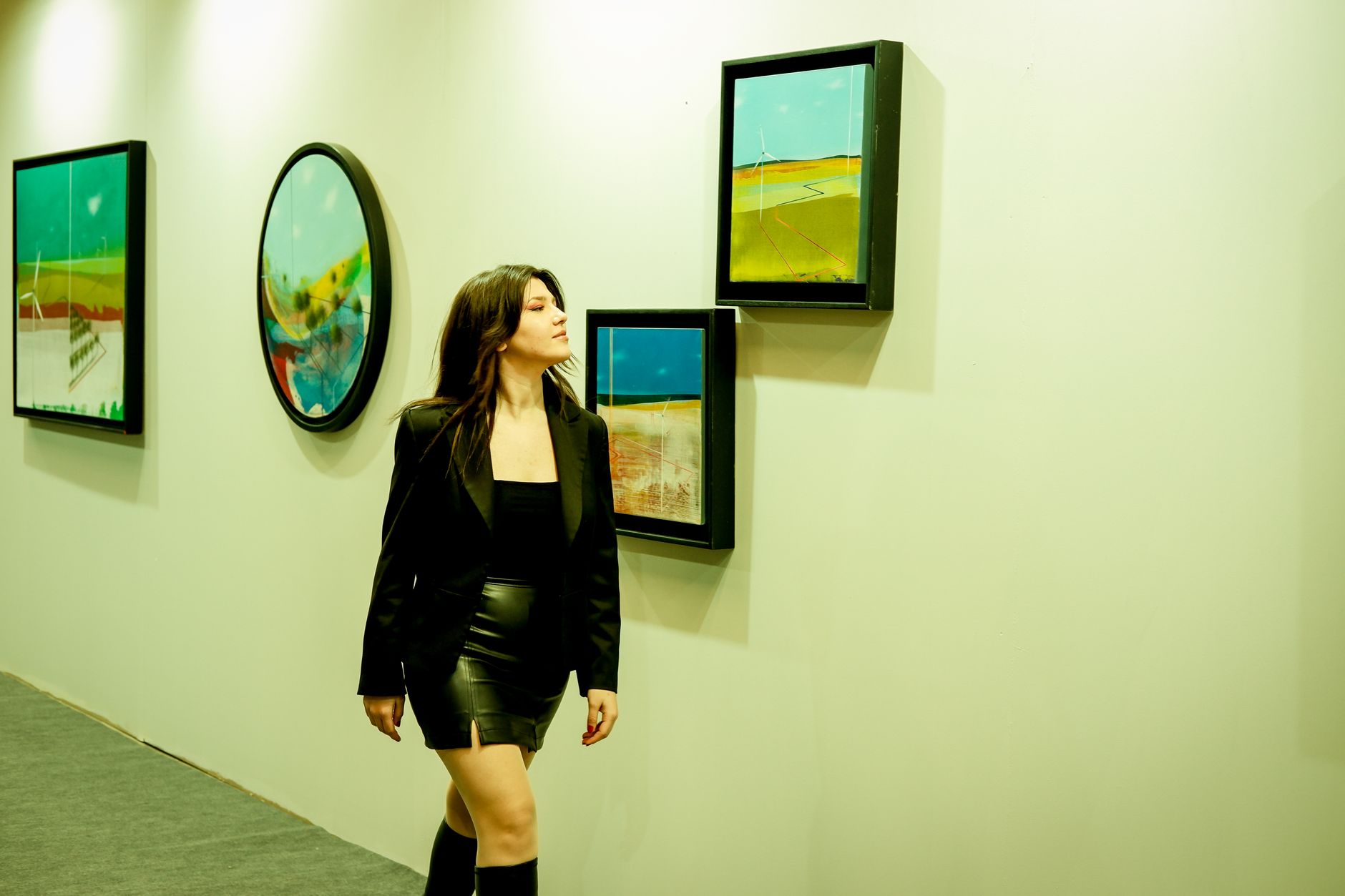
 Photo: www.kaboompics.com / Pexels
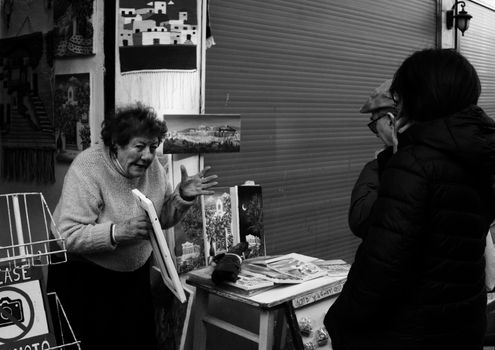 Photo: Shir Danieli / Pexels
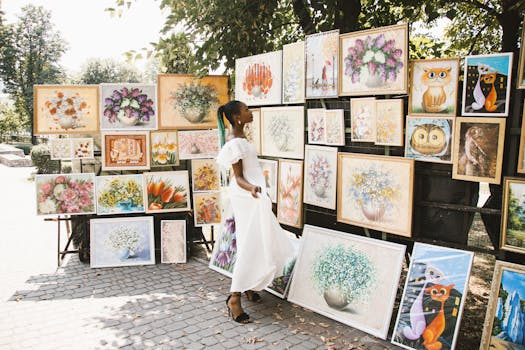 Photo: Godisable Jacob / Pexels
 Photo: Patryk Balcerzak / Pexels