Mastering the Canvas: How to Start Painting for Beginners
August 24, 2026 15 min read 2,924 words
Embark on your creative journey and discover the joy of painting, even if you've never held a brush before.
Start Painting Today!
Unlocking Your Inner Artist: Why Start Painting Now?
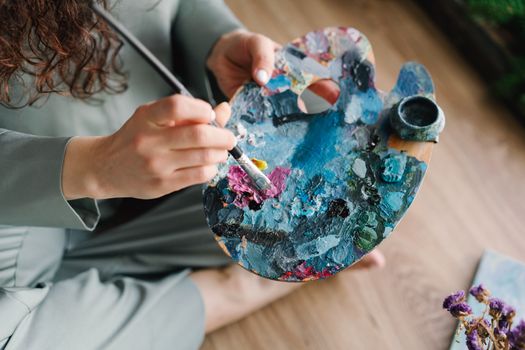 Photo: Mikhail Nilov / Pexels
Have you ever looked at a beautiful painting and thought, 'I wish I could do that'? The good news is, you absolutely can! Painting is a deeply rewarding artistic pursuit that offers a unique blend of creative expression, stress relief, and personal growth. It's not just about creating a masterpiece; it's about the process, the journey of discovering what you can achieve with a brush and some color. Many beginners are intimidated by the perceived complexity or the idea that 'talent' is a prerequisite. Let's dispel that myth right now: painting is a skill, and like any skill, it can be learned and improved with practice. Think of it less as a mystical gift and more like learning to play an instrument or cook a new dish. Everyone starts somewhere, and the most successful artists are often those who were willing to experiment, make mistakes, and keep learning.
Starting to paint can significantly enhance your life in numerous ways. It acts as a fantastic form of mindfulness, allowing you to focus entirely on the present moment and quiet the incessant chatter of daily life. The act of mixing colors, applying strokes, and watching an image emerge can be incredibly therapeutic and meditative. Furthermore, painting boosts problem-solving skills as you figure out how to represent light, shadow, and form. It also improves hand-eye coordination and fine motor skills. Beyond these cognitive benefits, there's an immense sense of accomplishment that comes from completing a piece, no matter how simple. It's a tangible representation of your effort and creativity. It opens up new avenues for self-expression, allowing you to communicate feelings and ideas that words might not capture. Whether you dream of capturing landscapes, painting portraits, or simply creating vibrant abstract art, the journey of learning how to start painting for beginners is accessible to everyone. Don't let fear of imperfection hold you back. Embrace the beginner's mindset: curious, open, and eager to learn. This guide is designed to walk you through every essential step, from choosing your first supplies to understanding basic techniques, ensuring your artistic journey begins on the right foot. It's time to swap doubt for delight and embark on a colorful adventure. The canvas awaits your unique touch! Delve deeper into various art forms with our comprehensive guide on
understanding different types of art to broaden your artistic horizons.
Essential Beginner Painting Supplies: Your First Art Kit
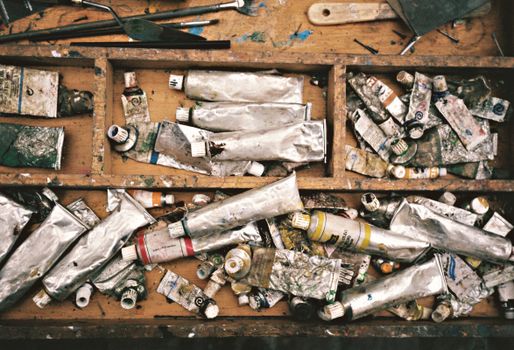 Photo: DΛVΞ GΛRCIΛ / Pexels
One of the biggest hurdles for beginners is knowing what supplies to buy without breaking the bank or feeling overwhelmed. The good news is, you don't need a professional art studio's worth of materials to start. A few basic, affordable items will get you a long way. Let's break down the essentials:
**1. Paints:** For beginners, acrylic paints are highly recommended. Why acrylics? They are water-soluble (meaning easy cleanup with just water), dry relatively quickly, are non-toxic, and can be used on a wide variety of surfaces. They are also quite forgiving, allowing you to paint over mistakes easily. Start with a basic set of primary colors (red, blue, yellow), plus white and black. This will allow you to mix a vast spectrum of other colors. Alternatively, a small starter set with 12-18 colors is also a great option.
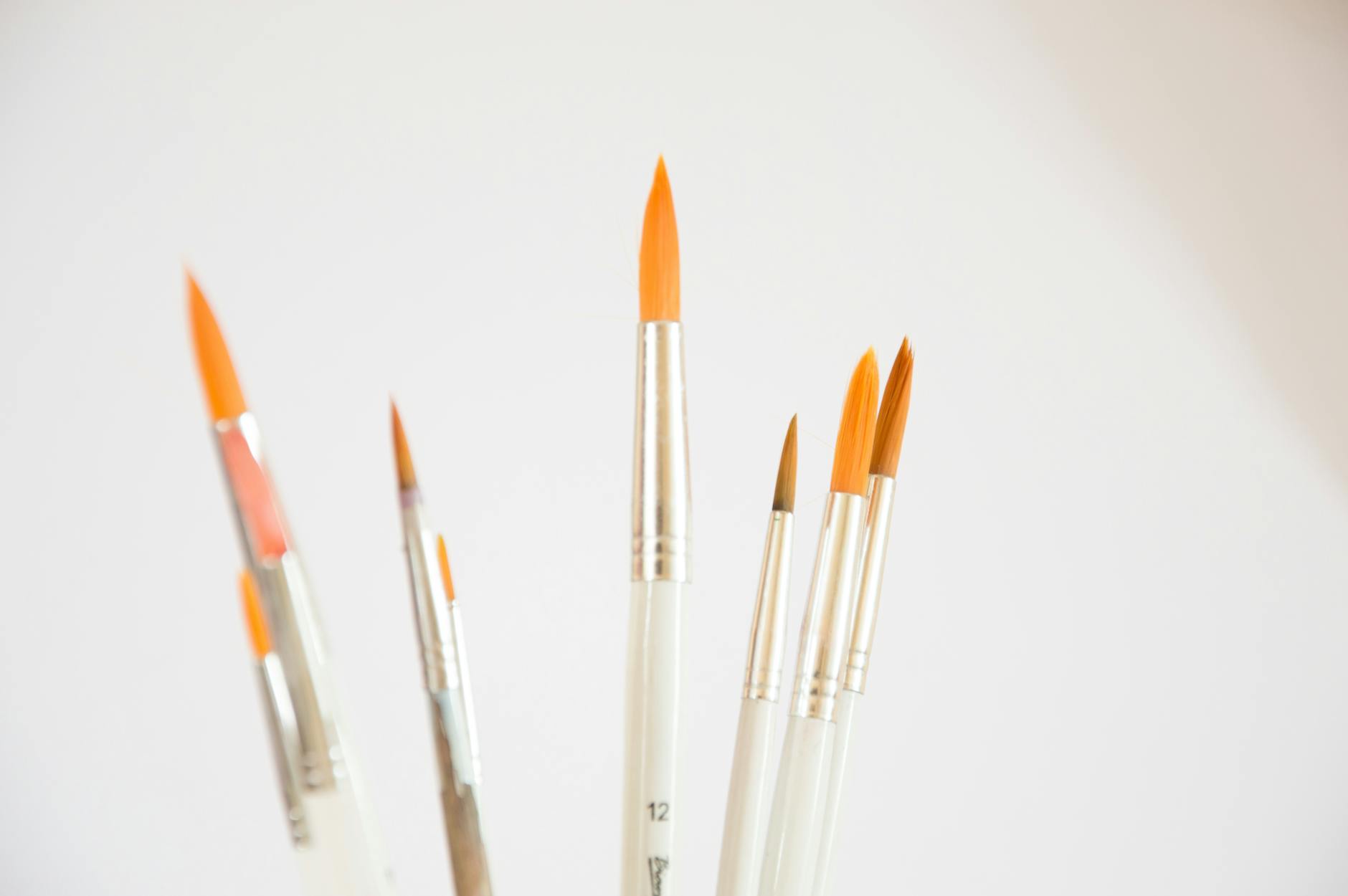
**2. Brushes:** You don't need dozens of brushes. A good starter set will typically include a few different shapes and sizes: a flat brush (for broad strokes and edges), a round brush (for lines and details), and maybe a filbert brush (a versatile flat brush with an oval tip). Look for synthetic brushes, as they work well with acrylics and are durable. Brands like Princeton, Loew-Cornell, or even generic craft store brands are perfectly fine for starting.
**3. Surfaces to Paint On:** Canvas boards or stretched canvases are popular, but don't feel limited. For practice, heavy paper (like watercolor paper or mixed-media paper), cardboard, or even wood panels can be excellent, inexpensive options. A small pad of acrylic paper is ideal for initial experiments. Start with smaller sizes (e.g., 8x10 or 9x12 inches) to avoid feeling overwhelmed.
**4. Palette:** You'll need something to mix your paints on. A simple ceramic plate, an old plastic lid, a disposable paper palette pad, or even a piece of wax paper works wonderfully. There's no need for an expensive palette initially.
**5. Water Containers:** Two containers are ideal: one for rinsing off paint and another for cleaner water to thin paints or for the final rinse. Old yogurt containers or plastic cups are perfect.
**6. Rags or Paper Towels:** Essential for wiping brushes, cleaning up spills, and blotting excess water.
**7. Easel (Optional):** While an easel can be nice, it's by no means necessary for beginners. You can easily paint at a table, propping your surface against something or laying it flat. If you do opt for one, a simple tabletop easel is a good starting point.
By focusing on these core items, you can assemble a functional and inspiring art kit without excessive cost. Remember, the goal is to start painting, not to acquire the most expensive gear. As you progress, you'll naturally discover what other tools might enhance your specific artistic style and needs. Many artists find joy in creating with minimal supplies, proving that creativity is about resourcefulness and vision, not just equipment.
Mastering Basic Painting Techniques for Beginners
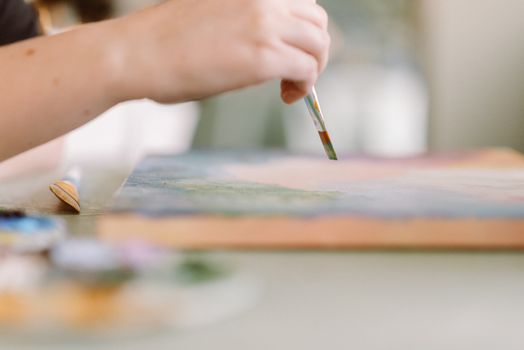 Photo: Anete Lusina / Pexels
Once you have your supplies, the next step is to get comfortable with the tools and fundamental techniques. Don't aim for perfection in your first few attempts; aim for exploration and understanding. Here are some core techniques to get you started:
**1. Holding the Brush & Pressure Control:** How you hold your brush can significantly impact your strokes. For fine details, hold it closer to the ferrule (the metal part). For broader, more expressive strokes, hold it further back, like a pen or pencil. Experiment with varying pressure – light pressure for delicate lines, heavier pressure for thicker, more opaque marks. This control is fundamental for expressive work.
**2. Color Mixing:** This is where the magic truly begins! Understanding basic color theory is crucial. Your primary colors (red, blue, yellow) can be mixed to create secondary colors (orange, green, purple). Adding white will lighten and desaturate colors (tints), while adding black will darken them (shades). Practice mixing small amounts of paint on your palette to see what new colors you can create. Don't be afraid to experiment; you'll quickly develop an intuitive understanding of how colors interact. Consider creating a color chart where you mix each primary with every other primary, and then add white and black to those mixes. This exercise alone is incredibly insightful. For more advanced color theory, explore how
color psychology in art can impact your visual storytelling.
**3. Washes & Glazing:** A wash is a thin, translucent layer of paint, often achieved by adding more water to your acrylics. It's great for laying down initial color fields or creating soft, ethereal effects. Glazing is similar but involves applying thin, transparent layers of color over a dry layer to subtly change its hue or add depth. This technique allows light to reflect through the layers, creating a luminous effect.
**4. Impasto & Texture:** At the other end of the spectrum is impasto, which involves applying thick, opaque layers of paint, often straight from the tube or with minimal water. This creates visible brushstrokes and texture, adding a tactile quality to your painting. You can use a brush or even a palette knife for impasto effects. Experiment with how different amounts of paint on your brush create different textures.
**5. Blending:** Blending is the smooth transition between two or more colors. With acrylics, because they dry quickly, you'll need to work relatively fast. You can blend wet-on-wet (mixing colors directly on the canvas while they are still wet) or by layering thin glazes. Practice blending two distinct colors to see how smoothly you can transition from one to the other. A slightly damp brush can sometimes help with blending acrylics.
**6. Layering:** Acrylics are excellent for layering. You can build up your painting in stages, allowing each layer to dry before applying the next. This is useful for creating depth, adding details, or correcting mistakes. Start with a thin base layer, then gradually add more opaque layers and details.
**7. Dry Brush:** This technique involves using a brush with very little paint and very little water. When applied, it leaves a broken, textured mark, often revealing the surface beneath. It's fantastic for creating textures like grass, wood grain, or rough surfaces.
Practice each of these techniques individually on scrap paper or a practice canvas. Don't worry about making a 'masterpiece' at this stage; focus on understanding how the paint behaves and how your tools work. The more you experiment, the more intuitive painting will become.
Common Beginner Painting Mistakes and How to Avoid Them
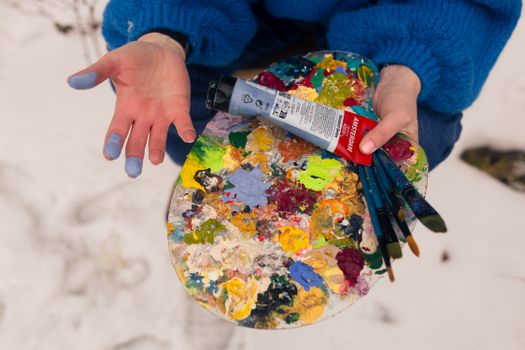 Photo: Monika Szypuła-Bilska / Pexels
Starting any new skill comes with its challenges, and painting is no exception. Recognizing common pitfalls can help you navigate your early artistic journey with less frustration and more progress. Here are some frequent mistakes beginners make and actionable advice on how to sidestep them:
* **Overworking the Painting:** It’s tempting to keep adding layers, details, or adjustments, but this often leads to muddy colors, overworked textures, and a loss of freshness. Knowing when to stop is a skill in itself. **Solution:** Step away from your painting frequently. Come back with fresh eyes. Sometimes, less is more. Embrace the spontaneity and imperfection that can add character.
* **Using Too Much Water (or Not Enough):** Acrylics are water-soluble, but too much water can make them thin, streaky, and lose their vibrant pigment. Too little water, and they can be difficult to spread. **Solution:** Experiment! Find the right consistency for your desired effect. Keep two water containers: one for rinsing and one for thinning, so your thinning water stays cleaner. Start with a small amount of water and add more gradually.
* **Not Cleaning Brushes Properly:** Allowing paint to dry in your brushes, especially near the ferrule, will ruin them quickly. **Solution:** Clean your brushes thoroughly with water and mild soap immediately after use. Reshape them and let them dry flat or brush-side up to prevent water from seeping into the ferrule.
* **Ignoring Color Theory Basics:** Jumping straight into painting without understanding how colors interact can lead to unexpected and often disappointing results. **Solution:** Dedicate time to practice color mixing exercises. Create color charts. Understand warm and cool colors, complementary colors, and how to mix tints and shades. This foundational knowledge will empower your creative choices.
* **Being Afraid to Make Mistakes:** This is perhaps the biggest barrier to progress. Fear of failure stifles experimentation and learning. **Solution:** Embrace mistakes as learning opportunities. Acrylics are forgiving; you can often paint over areas you don't like once they're dry. Remember that every artist, no matter how skilled, makes 'mistakes.' It's part of the process.
* **Starting Too Large or Too Complex:** A huge canvas or an intricate subject can feel overwhelming for a beginner, leading to burnout. **Solution:** Begin with small canvases or paper and simple subjects. Still life arrangements of common household objects, simple landscapes, or abstract color studies are excellent starting points. Build confidence before tackling grander visions.
* **Comparing Your Work to Others':** In the age of social media, it's easy to fall into the trap of comparing your beginner work to seasoned professionals. **Solution:** Focus on your own journey and progress. Celebrate small victories. Your art is unique, and its value isn't diminished by what others are creating. Compare your current work to your past work, not to others'.
* **Not Having Patience:** Painting takes time, not just in the act of painting but in the development of skill. **Solution:** Set realistic expectations. Don't expect to create a masterpiece on your first try. Enjoy the process, dedicate regular practice time, and trust that your skills will develop over time with consistent effort. Consistency, not intensity, is key in learning any new craft.
By being aware of these common pitfalls, you can approach your painting journey with a more prepared and resilient mindset, allowing you to learn and grow more effectively.