How to Start an Art Collection: Your Ultimate Guide

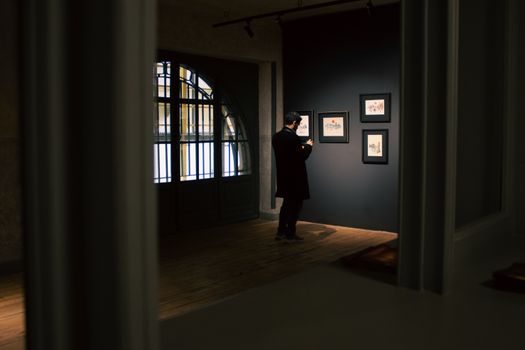
A man in a gallery analyzes framed art in dim lighting, creating a sophisticated atmosphere.Photo: İrem 🎈 / Pexels

How to Start an Art Collection: Your Ultimate Guide

Embark on an enriching journey into the world of art collecting, transforming your passion into a curated personal legacy.

Begin Your Collection

Key Takeaways

  • βœ“ Art collecting is accessible at all budget levels.
  • βœ“ Personal taste and research are more important than initial investment.
  • βœ“ Building relationships with gallerists and artists is crucial.
  • βœ“ Provenance and condition significantly impact an artwork's value.

How It Works

1
Define Your Taste & Budget

Before buying, explore different art styles, mediums, and periods to understand what truly resonates with you. Simultaneously, establish a realistic budget, as art spans a vast price range.

2
Research & Educate Yourself

Immerse yourself in the art world by visiting galleries, museums, art fairs, and reading extensively. Understanding art history, current trends, and artist backgrounds is paramount.

3
Engage with the Art Community

Connect with gallerists, artists, and other collectors. These relationships provide invaluable insights, opportunities, and a support network as you navigate your collecting journey.

4
Make Your First Purchase Thoughtfully

Once you've identified an artwork that excites you and fits your criteria, proceed with due diligence. Verify authenticity, understand provenance, and ensure proper documentation before acquiring.

Cultivating Your Eye: Discovering Your Artistic Preferences

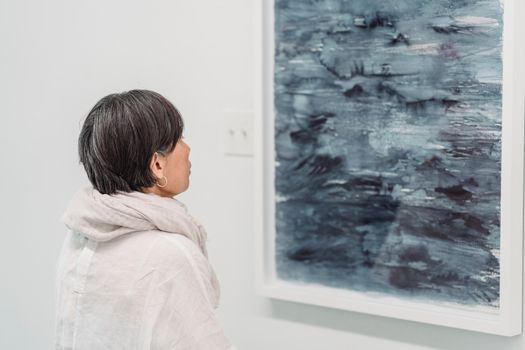
A woman in a gallery intently observes abstract paintings, highlighting her engagement with modern art.Photo: Greta Hoffman / Pexels
Embarking on the journey of how to start an art collection begins not with a purchase, but with a profound exploration of self and aesthetics. Before you even consider budget or market trends, the foundational step is to cultivate your eye and discover what truly moves you. This is a deeply personal process, as art collecting is, at its core, an extension of your identity and values. Begin by immersing yourself in the vast and diverse world of art. Visit local museums, university galleries, and independent artist studios. Don't limit yourself to what you think you should like; be open to all forms, from classical paintings to contemporary sculptures, digital art, photography, and mixed media. Pay attention to what evokes an emotional response, what sparks your curiosity, and what you find yourself returning to. Is it the vibrant colors of abstract expressionism, the intricate details of a Renaissance portrait, the stark simplicity of minimalism, or the provocative narratives of street art? Consider the mediums that appeal to you. Do you prefer the tactile quality of oil paint, the crisp lines of a drawing, the ethereal glow of a photograph, or the three-dimensionality of a sculpture? Each medium offers a unique aesthetic experience and can influence the atmosphere of your space. As you explore, take notes, snap photos (where permitted), and reflect on why certain pieces resonate more than others. What themes, subjects, or historical periods intrigue you? This initial phase is about building an internal library of preferences, a mental catalog that will guide your future acquisitions. It's about developing an informed intuition, moving beyond superficial attraction to a deeper understanding of artistic intent and execution. Don't be afraid to change your mind or evolve your tastes; collecting is a dynamic process. This period of self-discovery is critical because it ensures that your collection will be authentic, meaningful, and a genuine reflection of who you are, rather than a mere accumulation of objects. It lays the groundwork for a collection that brings lasting joy and intellectual stimulation. This isn't just about buying art; it's about building a narrative, a visual diary of your aesthetic journey. For further exploration into art movements, visit understanding art history.

Navigating the Market: Where to Find and Purchase Art

Aerial view of a crowded art exhibition in Paris with visitors in indoor galleries.Photo: Bingqian Li / Pexels
Once you have a clearer sense of your aesthetic leanings and a preliminary budget, the next crucial step in how to start an art collection is to understand where and how to acquire art. The art market can seem daunting at first, but it offers a diverse range of avenues suitable for every type of collector, from the novice to the seasoned connoisseur. **Art Galleries:** These are often the first point of contact for many new collectors. Galleries represent artists, curate exhibitions, and facilitate sales. They typically specialize in certain styles, periods, or emerging artists. Starting with local galleries can be highly beneficial; gallerists are usually passionate and knowledgeable, eager to educate new collectors, and often act as trusted advisors. They can provide insights into an artist's career, provenance, and market value. Don't be intimidated; walk in, introduce yourself, and express your interest. Building a relationship with a gallerist can open doors to private viewings, artist talks, and early access to new works. **Art Fairs:** These events are vibrant, often overwhelming, but invaluable opportunities to see a vast amount of art from numerous galleries under one roof. Fairs like Art Basel, Frieze, or even regional fairs offer a concentrated view of contemporary art trends and a chance to compare works from various artists and galleries. They are excellent for research and for making connections. **Auction Houses:** While often associated with high-value historical works, auction houses like Sotheby's and Christie's also have departments for contemporary art, prints, and works by emerging artists, sometimes at accessible price points. Online-only auctions have further democratized this space. Before bidding, thoroughly research the artwork, understand the auction process, and factor in buyer's premiums and other fees. **Online Platforms:** The digital age has revolutionized art acquisition. Websites like Artsy, Artnet, Saatchi Art, and even Instagram allow you to discover artists and purchase works globally. These platforms offer extensive search filters, artist profiles, and often direct contact with artists or galleries. While convenient, always exercise due diligence regarding authenticity, shipping, and return policies. **Artist Studios & Open Calls:** For those seeking to support emerging talent and acquire works at potentially lower prices, visiting artist studios during open studio events or contacting artists directly can be rewarding. Many artists are happy to discuss their work and sell directly, cutting out gallery commissions. This direct engagement fosters a deeper connection with the art and its creator. **Print Shops & Editions:** Don't overlook limited edition prints, photographs, or multiples. These are often more affordable entry points into collecting works by established artists. Reputable print shops and publishers ensure quality and authenticity. Regardless of the channel, always prioritize authenticity, provenance (the history of ownership), and condition. Ask for certificates of authenticity, sales receipts, and any available documentation. Take your time, ask questions, and never feel pressured to buy. The right piece will present itself when the time is right, and an informed decision will always lead to a more satisfying acquisition.

Responsible Collecting: Ethics, Budgeting, and Long-Term Care

Hands in gloves carefully restoring vintage artwork on glass using cleaning tools.Photo: Tahir XΙ™lfΙ™ / Pexels
As you delve deeper into how to start an art collection, understanding the ethical considerations, mastering your budget, and planning for the long-term care of your acquisitions become paramount. Responsible collecting extends beyond mere acquisition; it involves a commitment to preserving cultural heritage, supporting artists fairly, and ensuring the longevity of your pieces. **Ethical Considerations:** The art market, like any other, has its complexities. Always be mindful of provenance, especially for antiquities or works from conflict zones. Ensure that the artwork you acquire has been legally and ethically obtained. Support artists directly when possible, or through reputable galleries that pay fair commissions. Be wary of fakes or works with questionable histories. Due diligence is not just about protecting your investment; it's about upholding the integrity of the art world. **Budgeting Wisely:** It's a common misconception that art collecting is exclusively for the wealthy. While some pieces command astronomical prices, there is art available at every price point. Start by defining a realistic budget for a single acquisition and for your overall collection goals. Remember to factor in additional costs such as framing, shipping, insurance, and potential restoration. Don't overextend yourself financially. It's better to acquire one meaningful piece you can afford than to stretch for something beyond your means. Consider installment plans offered by some galleries or explore works by emerging artists whose prices are typically more accessible. Your first piece doesn't have to be a masterpiece; it should be something you love and can live with. For tips on managing your finances, explore personal finance for artists. **Long-Term Care and Preservation:** Acquiring an artwork is only the beginning. Proper care and preservation are essential to maintain its condition and value. * **Environment:** Art is sensitive to light, temperature, and humidity. Avoid direct sunlight, fluorescent lights, and areas with fluctuating temperatures (like bathrooms or near vents). Ideal conditions are typically stable temperatures around 70Β°F (21Β°C) and relative humidity between 45-55%. * **Framing:** Use archival-quality framing materials, including acid-free mats and UV-protective glazing, to prevent damage from light and environmental pollutants. * **Handling:** Always handle artworks with clean hands, preferably wearing cotton gloves. Avoid touching the surface of paintings or photographs. When moving, support the piece adequately. * **Insurance:** Once your collection begins to grow, obtain specialized art insurance. Homeowner's policies often have limitations on high-value items. * **Documentation:** Keep meticulous records of all purchases, including receipts, certificates of authenticity, provenance documents, and high-resolution photographs. This documentation is crucial for insurance, resale, and establishing the artwork's history. * **Professional Advice:** For valuable pieces or those requiring special care, consult with professional conservators or art handlers. They can provide expert advice on preservation, restoration, and installation. By adopting a responsible approach to collecting, you not only protect your investment but also contribute positively to the broader art ecosystem, ensuring that these cultural treasures can be enjoyed for generations to come. This holistic approach transforms a simple hobby into a fulfilling and sustainable passion.

Common Pitfalls to Avoid When Starting Your Art Collection

Embarking on the exciting journey of how to start an art collection can be immensely rewarding, but it's also fraught with potential missteps. Being aware of common pitfalls can save you from costly mistakes, buyer's remorse, and a collection that doesn't truly reflect your passion. Here are some key traps to avoid: * **Buying for Investment Alone:** While art can appreciate in value, approaching it purely as a financial investment without genuine aesthetic appreciation is a common mistake. The art market is volatile, and returns are never guaranteed. Buy what you love first and foremost. If it appreciates, that's a bonus. A collection driven solely by market speculation often lacks cohesion and personal meaning. * **Ignoring Research and Due Diligence:** Never buy on impulse, especially for significant pieces. Failure to research the artist, the artwork's history (provenance), its condition, and its market value can lead to acquiring fakes, overpriced works, or pieces with hidden damages. Always ask for certificates of authenticity, sales records, and condition reports. * **Falling for Trends Without Personal Connection:** The art world has trends, just like fashion. While it's good to be aware of what's current, don't feel compelled to buy into a trend if it doesn't genuinely resonate with you. A collection built on fleeting fads will quickly feel dated and unfulfilling. Your collection should be timeless for *you*. * **Neglecting Your Budget:** It's easy to get carried away by the excitement of an acquisition. Stick to your defined budget, and remember to account for additional costs like framing, shipping, and insurance. Overspending can lead to financial strain and diminish the joy of collecting. * **Fear of Asking Questions:** As a new collector, you're not expected to know everything. Reputable gallerists, dealers, and advisors are there to help. Ask about the artist's background, the meaning behind the work, its exhibition history, and payment options. A professional will welcome your curiosity. * **Poor Display and Storage:** Acquiring art is one thing; preserving it is another. Failing to consider proper lighting, temperature, humidity, and secure hanging can lead to irreversible damage. Direct sunlight, damp basements, or uninsulated attics are art's worst enemies. Invest in professional framing and climate control if necessary. * **Lack of Documentation:** Losing track of purchase receipts, certificates of authenticity, artist statements, or insurance appraisals can be problematic later, especially if you ever decide to sell, loan, or claim insurance for an artwork. Maintain a meticulous digital and physical archive. * **Being Intimidated by the Art World:** The perception that the art world is exclusive or snobbish can deter new collectors. While some spaces might feel intimidating, remember that most gallerists and artists are passionate individuals eager to share their work. Approach with an open mind and genuine interest. * **Buying Too Much Too Soon:** Resist the urge to fill your walls immediately. Collecting is a journey, not a race. Take your time, allow your taste to evolve, and make thoughtful, deliberate choices. A curated collection of a few cherished pieces is far more impactful than a crowded wall of hurried acquisitions. By sidestepping these common pitfalls, you can ensure your art collecting experience is not only successful but also deeply enjoyable and personally enriching.

Comparison

FeatureEmerging Artist (Direct)Mid-Tier GalleryMajor Auction House
Price RangeLow - ModerateModerate - HighHigh - Very High
Artist RecognitionLow - GrowingEstablished - RegionalEstablished - International
Direct Artist Connectionβœ“βœ— (via gallerist)βœ—
Provenance/DocumentationGood (direct)Excellent (gallery vetted)Excellent (expert vetted)
Market VolatilityHigherModerateLower (for established artists)

What Our Readers Say

5 β˜…β˜…β˜…β˜…β˜…

"This guide transformed my approach to how to start an art collection. I always thought it was out of reach, but the practical advice on budgeting and finding local artists made it feel entirely achievable. My first piece now proudly hangs in my living room!"

5 β˜…β˜…β˜…β˜…β˜…

"The section on cultivating your eye was a game-changer. I stopped looking at art as just decor and started seeing it as a reflection of my personal story. This article provided the confidence I needed to begin my collecting journey."

5 β˜…β˜…β˜…β˜…β˜…

"Following the advice here, I connected with a local gallery, and they helped me acquire a stunning piece by an emerging artist. The process was smooth, and I felt informed every step of the way, resulting in a cherished addition to my home."

4 β˜…β˜…β˜…β˜…β˜†

"A very thorough guide on how to start an art collection. While some parts felt a bit advanced for a complete beginner, the core message about buying what you love and doing your research was invaluable. I'm now much more confident in navigating galleries."

5 β˜…β˜…β˜…β˜…β˜…

"As someone who inherited a few pieces but never understood how to expand, this article provided the framework I needed. The tips on long-term care and ethical considerations were particularly helpful in stewarding my existing and new artworks responsibly."

Frequently Asked Questions

What's the absolute first thing I should do when trying to start an art collection?
The very first step is to cultivate your personal taste. Spend time visiting museums, galleries, and art fairs to identify what types of art, mediums, and themes genuinely resonate with you. This self-discovery is crucial before considering any purchases, ensuring your collection reflects your unique aesthetic.
Is art collecting only for the wealthy, or can I start with a small budget?
Art collecting is absolutely accessible at all budget levels. You don't need to be wealthy to start. Many emerging artists offer works at affordable prices, and options like limited edition prints, photographs, and art from student shows can be excellent entry points. Focus on what you love within your means.
How do I ensure the art I'm buying is authentic?
Always purchase from reputable sources like established galleries, recognized art dealers, or trusted auction houses. Request a certificate of authenticity (COA), a bill of sale, and any available provenance documentation. For valuable pieces, consider consulting an independent art expert or appraiser for verification.
What's a reasonable budget to start an art collection?
A reasonable budget is entirely personal. You can start with a few hundred dollars for prints or works by emerging artists, or a few thousand for more established pieces. The key is to set a budget you're comfortable with and stick to it, remembering to factor in costs like framing, shipping, and insurance.
Should I buy art as an investment or for personal enjoyment?
While art can appreciate in value, it's generally advised to buy art primarily for personal enjoyment and aesthetic pleasure. The art market is complex and unpredictable, making pure investment risky. A collection built on genuine passion will bring far more lasting satisfaction.
Who can help me learn more about art and guide my collection?
Gallerists are an excellent resource; they are knowledgeable and often eager to educate new collectors. Art consultants, museum curators, and even artists themselves can provide valuable insights. Attending art talks, workshops, and reading art publications will also significantly enhance your knowledge.
What are the biggest risks when starting an art collection?
The biggest risks include acquiring inauthentic works, overpaying due to lack of research, damage from improper handling or display, and buying purely for investment without personal connection. Mitigate these risks through thorough research, reputable sources, and proper care.
How do you see the future of art collecting evolving?
The future of art collecting is likely to see increased integration of digital art (like NFTs), greater transparency in the market through technology, and continued growth in online platforms. There will also be a stronger emphasis on ethical sourcing, sustainability, and diverse representation within collections.

Ready to transform your passion into a curated collection? Use this comprehensive guide to how to start an art collection as your compass. Begin your journey today and discover the profound joy of living with art that speaks to your soul.

Topics: how to start an art collectionbuying art for beginnersart collecting tipsinvesting in artbuilding an art portfolio
Leo List
Brampton weed
Adultwork