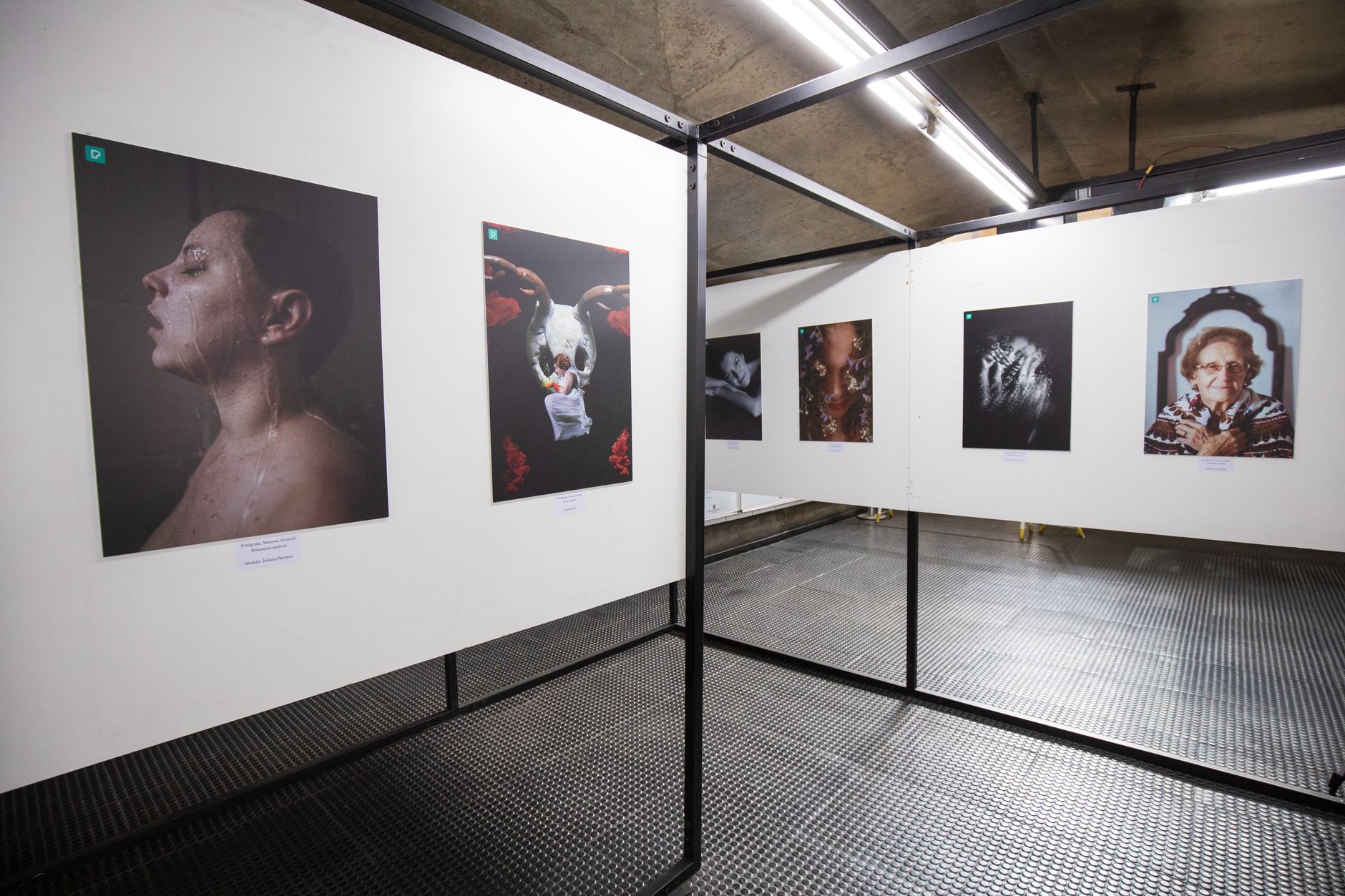
How to Purchase Limited Edition Prints: Your Ultimate Guide
purchase limited edition prints

How to Purchase Limited Edition Prints: Your Ultimate Guide

Unlock the world of collectible art, understand authenticity, and make informed choices for your growing collection.

Start Collecting Now

Key Takeaways

  • ✓ Limited edition prints are finite, increasing their rarity and potential value.
  • ✓ Authenticity is paramount; look for artist signatures, edition numbers, and certificates.
  • ✓ Condition, provenance, and the artist's reputation significantly impact value.
  • ✓ Both established galleries and online platforms offer diverse limited edition prints.

How It Works

1
Define Your Taste & Budget

Before diving in, understand what art styles, artists, and themes resonate with you. Establish a clear budget to narrow down your options effectively.

2
Research Artists & Editions

Explore artists whose work you admire and investigate their history with printmaking. Understand the various printmaking techniques and what defines a true 'limited edition'.

3
Vet Sources & Authenticity

Choose reputable galleries, dealers, or online platforms known for their integrity. Always verify the print's authenticity through signatures, numbering, and certificates of authenticity.

4
Acquire & Preserve Your Print

Once purchased, ensure proper handling, framing, and display to protect your investment. Consider insurance and document its provenance for future reference.

Understanding Limited Edition Prints: More Than Just a Copy
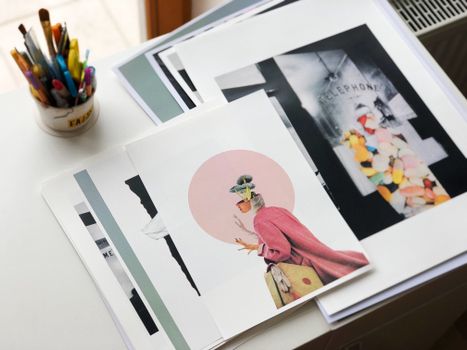
Artistic collage creations on a desk alongside vibrant stationery items. Photo: Sonya Kovalski / Pexels
When you decide to purchase limited edition prints, you're not just buying a reproduction; you're acquiring a distinct piece of art with inherent value and a unique story. Unlike open edition prints, which can be produced indefinitely, limited edition prints are restricted to a fixed number, determined by the artist or publisher at the time of creation. This scarcity is a fundamental aspect that contributes to their desirability and potential appreciation in value. Each print within a limited edition series is typically signed and numbered by the artist, often in pencil, indicating its sequence within the total run (e.g., 5/100 means the fifth print out of an edition of one hundred). This numbering system provides transparency and confirms the print's position within the finite series. Beyond the numbering, you'll often encounter an 'artist's proof' (AP) or 'printer's proof' (PP), which are additional prints, usually a small percentage of the total edition, retained by the artist or printer. These are also collectible and are considered part of the overall edition's value. Understanding these distinctions is crucial for anyone looking to invest in art and build a meaningful collection. The process of creating limited edition prints involves various techniques, each imparting a unique aesthetic and texture. Common methods include lithography, silkscreen (serigraphy), etching, engraving, woodcut, and giclée. Lithography, for instance, involves drawing an image onto a stone or metal plate, while silkscreen uses a mesh stencil to transfer ink. Giclée prints, a more modern digital printing technique, are often used for high-quality reproductions of digital art or photographs. Each technique requires specific expertise and equipment, and familiarity with these methods can enrich your appreciation for the artwork. The choice of technique can also influence the print's longevity and how it responds to light and environmental factors, making it an important consideration for long-term preservation. Ultimately, a limited edition print offers an accessible entry point into the art market, allowing collectors to own significant works by acclaimed artists without the price tag of an original painting or sculpture. It represents a tangible connection to the artist's vision and a unique opportunity to own a piece of art history.

Where to Purchase Limited Edition Prints: Trusted Sources
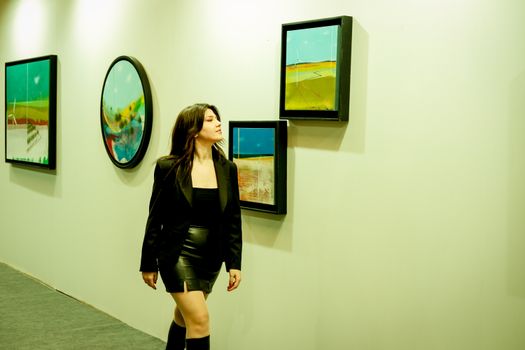
Woman in a leather skirt exploring a vibrant art gallery exhibition. Photo: Beyzaa Yurtkuran / Pexels
Finding reliable sources is paramount when you're ready to purchase limited edition prints. The art market, while exciting, can also be complex, and ensuring authenticity and fair pricing requires careful consideration of where you buy. One of the most traditional and reputable avenues is through established art galleries. Galleries often have direct relationships with artists, ensuring provenance and providing expert guidance. They can offer insights into an artist's career trajectory, market value, and the specific details of a print's creation. Visiting a physical gallery allows you to view the artwork in person, assess its condition, and ask detailed questions. Many galleries also maintain an online presence, showcasing their collections and facilitating remote purchases. Another increasingly popular option is specialized online art platforms. Websites like Artnet, Artsy, 1stDibs, and fine art print specific sites like Editioned Art or specific artist's studios offer a vast selection of limited edition prints from a diverse range of artists. These platforms often provide high-resolution images, detailed descriptions, artist biographies, and sometimes even virtual viewing rooms. When using online platforms, always check for seller ratings, return policies, and assurances of authenticity. Reputable online platforms will have stringent vetting processes for their sellers and provide certificates of authenticity. Auction houses, both physical and online (such as Christie's, Sotheby's, or smaller regional houses), are also excellent sources for acquiring limited edition prints. Auctions can offer opportunities to find rare or older editions, and with proper research, can sometimes yield favorable prices. However, it's crucial to understand the bidding process, buyer's premiums, and shipping costs associated with auctions. Finally, direct from artist studios or their official websites is another viable option, especially for emerging artists. This can sometimes offer a more direct connection to the creator and potentially better pricing, though the range of available works might be smaller. Regardless of your chosen source, always prioritize transparency, clear communication, and the ability to verify the print's authenticity and provenance before finalizing your purchase.

Authenticity, Value, and Investment: What to Look For
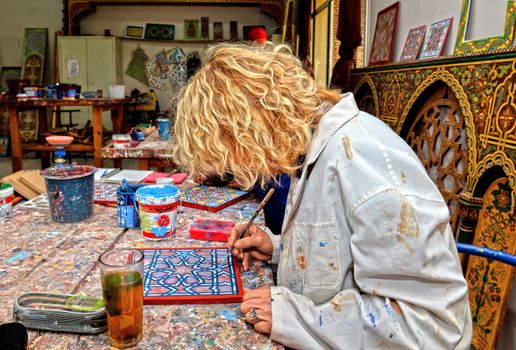
Artist focuses on creating a vibrant traditional Moroccan pattern in Fès workshop. Photo: Moussa Idrissi / Pexels
When you decide to purchase limited edition prints, understanding the factors that contribute to their authenticity, value, and potential as an investment is critical. The cornerstone of a print's authenticity lies in its documentation. Always look for the artist's signature, typically in pencil below the image, and the edition number (e.g., 25/150). These are fundamental indicators of a genuine limited edition print. A Certificate of Authenticity (COA) issued by the artist, publisher, or gallery is also a vital document. This certificate should detail the artist's name, title of the work, printmaking technique, edition size, date of creation, and often, an image of the print. Without these elements, verifying the print's legitimacy becomes significantly harder, impacting its value. Beyond authenticity, several factors influence a print's monetary value. The artist's reputation and career trajectory are primary drivers. Works by established artists with a strong market presence and consistent demand will generally hold or increase their value. The rarity of the edition also plays a role; smaller editions (e.g., 25 vs. 500) tend to be more sought after. The condition of the print is paramount. Flaws such as creases, tears, fading, foxing (age spots), or signs of improper handling can drastically reduce its value. Always inspect the print carefully, ideally out of its frame, or request high-resolution condition reports if buying remotely. Provenance, the history of ownership, adds to a print's credibility and value. A well-documented provenance, especially if it includes notable collections or exhibitions, can significantly enhance desirability. The printmaking technique itself can also influence value; certain techniques are more complex or historically significant, potentially making those prints more valuable. While many collectors purchase limited edition prints purely for aesthetic enjoyment, some also view them as an investment. Like any investment, there are no guarantees, but careful consideration of authenticity, artist reputation, edition rarity, and condition can increase the likelihood of your acquisition retaining or appreciating in value over time. For further reading on art market trends, exploring resources like reputable art market reports can provide valuable insights into the broader context of art as an asset.

Tips for First-Time Buyers and Common Mistakes to Avoid
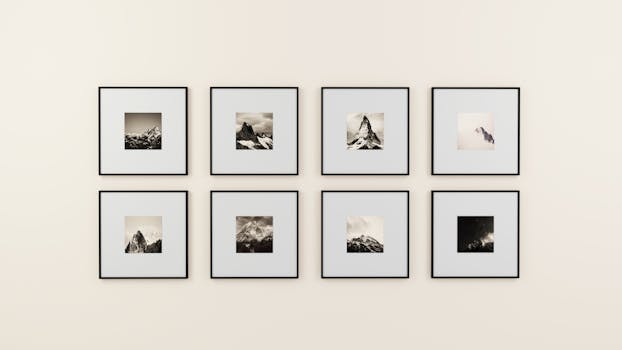
A minimalist display of framed mountain photography on a plain wall. Photo: Medhat Ayad / Pexels
For those embarking on their journey to purchase limited edition prints, a few key tips can ensure a rewarding experience and help you navigate potential pitfalls. First and foremost, buy what you love. While investment potential is a consideration, the primary joy of collecting art comes from living with pieces that resonate with you personally. Don't feel pressured to buy something just because it's deemed 'valuable' if it doesn't speak to your aesthetic. Secondly, do your homework. Research the artist, the specific print, its edition history, and comparable sales. Knowledge is your best defense against overpaying or acquiring a less-than-ideal piece. Always ask questions – a reputable seller will be happy to provide detailed information. Common mistakes to avoid include: * **Impulse Buying:** Never rush a purchase. Take time to consider, compare, and verify. A good print will still be available after a day or two of reflection. * **Ignoring Condition:** A seemingly good deal might hide significant damage. Always inquire about the print's condition report and examine it closely. Restoration can be costly and may impact value. * **Overlooking Framing:** Poor framing can damage a print. Acidic mats and backing boards can cause discoloration and deterioration over time. Always opt for archival, museum-quality framing materials and UV-protective glass. * **Disregarding Provenance:** A lack of provenance can raise red flags. While not every print will have an extensive history, understanding its journey from artist to seller is important. * **Forgetting Storage:** If you're not immediately framing a print, store it flat in an archival sleeve or portfolio, away from direct sunlight, extreme temperatures, and humidity. * **Not Budgeting for Extras:** Remember to factor in costs for shipping, insurance, and professional framing when setting your budget. These can add significantly to the overall expense. By being mindful of these considerations, first-time buyers can confidently purchase limited edition prints and build a collection they cherish.

Comparison

FeatureLimited Edition PrintOpen Edition PrintOriginal Artwork
ScarcityFinite, numbered editionUnlimited productionOne-of-a-kind
Artist SignatureTypically signed & numberedOften unsigned or facsimileAlways signed (if applicable)
Investment PotentialModerate to HighLowHigh
Price PointAccessible to Mid-RangeLowHigh
Certificate of Authenticity

What Readers Say

"I was hesitant to purchase limited edition prints online, but this guide gave me the confidence to find a reputable gallery. The print arrived perfectly, and the authenticity certificate was a huge reassurance."

Sarah J. · Austin, TX

"As a new collector, understanding the nuances of edition numbers and artist proofs was invaluable. My first limited edition print now hangs proudly in my living room, thanks to the insights provided here."

Michael R. · Brooklyn, NY

"Following the advice on checking provenance and condition, I successfully acquired a stunning print by an emerging artist. It exceeded my expectations and feels like a true investment in art."

Emily D. · San Francisco, CA

"The section on common mistakes was particularly helpful. I almost made an impulse buy but paused after reading, which led me to a much better, more carefully considered purchase. The emphasis on archival framing was spot on."

David L. · Chicago, IL

"I used this guide to purchase limited edition prints for my office, focusing on local artists. The tips on vetting sources helped me connect directly with a local artist, resulting in a unique and meaningful acquisition for my space."

Jessica M. · Miami, FL

Frequently Asked Questions

What specifically makes a print 'limited edition' and why does it matter?

A print is 'limited edition' because the artist or publisher explicitly states that only a finite number will ever be produced. This scarcity is crucial because it inherently increases the print's rarity and potential value compared to open edition prints, which can be reproduced indefinitely. It assures collectors of the uniqueness and controlled availability of their acquired artwork.

How can I be sure a limited edition print is authentic before buying?

To ensure authenticity, always look for the artist's original signature and the edition number (e.g., 10/100) on the print itself. Request a Certificate of Authenticity (COA) from the seller, which should detail the artwork's specifics. Purchase from reputable sources like established galleries, accredited dealers, or well-regarded online art platforms known for their vetting processes.

What's the best way to care for my limited edition print after I purchase it?

After purchasing, it's vital to protect your print. Frame it using archival, acid-free materials, including museum-quality matting and UV-protective glass, to prevent fading and deterioration. Avoid hanging it in direct sunlight or areas with high humidity. If unframed, store it flat in an archival sleeve or portfolio in a stable, dark environment.

Are limited edition prints a good investment, and how do I assess their value?

Limited edition prints can be a good investment, especially from established or rising artists, but it's not guaranteed. Their value is assessed by factors like the artist's reputation, the edition size (smaller is often more valuable), the print's condition, its provenance, and the specific printmaking technique used. Researching an artist's market history and comparable sales is key.

What's the difference between an 'artist's proof' (AP) and a regular edition print?

An 'artist's proof' (AP) is a print from a small, separate run, usually 10-15% of the main edition, retained by the artist for their personal use or to assess the print quality before the main edition is printed. While not part of the numbered edition, APs are considered collectible and often carry similar or sometimes even higher value due to their direct connection to the artist's process.

Who should consider buying limited edition prints?

Anyone with an appreciation for art who wants to own original works by artists without the higher price tag of unique paintings or sculptures. They are ideal for new collectors looking to start building an art collection, seasoned collectors seeking to diversify, or individuals looking for meaningful, high-quality decor with potential for appreciation.

Are there risks involved in buying limited edition prints online?

Yes, there are risks, primarily regarding authenticity, condition misrepresentation, and secure shipping. Mitigate these by buying from highly reputable online platforms, checking seller reviews, requesting detailed condition reports and high-resolution images, and ensuring robust insurance and return policies. Always use secure payment methods.

What trends are currently shaping the market for limited edition prints?

Current trends include a growing interest in digital art and NFTs being translated into physical limited edition prints, increased demand for works by diverse and underrepresented artists, and a focus on sustainable or environmentally conscious printmaking techniques. The accessibility of online platforms also continues to democratize the market, attracting new generations of collectors.

Ready to enrich your home or office with unique art? Use this guide to confidently purchase limited edition prints and embark on a rewarding journey into the world of collectible art. Discover pieces that speak to you and hold lasting value.

Topics: purchase limited edition printsbuy fine art printscollectible art printslimited edition artart investment prints
Leo List
Brampton weed
Adultwork EstrelaBet Vai de Bet R7 Bet Betão Galera Bet Rainbet Bet9ja Shop SportyBet BetKing Sisal Loto Foot Hollywoodbets YesPlay Odibets RushBet Jugabet BetWarrior BetCity MSport betPawa Fortebet