How to Purchase Limited Edition Art Prints Wisely
purchase limited edition art prints

How to Purchase Limited Edition Art Prints Wisely

Navigate the exciting world of limited edition art prints and make informed choices that enrich your collection and investment.

Start Collecting Now

Key Takeaways

  • ✓ Limited edition prints are created in a finite number, adding to their exclusivity and potential value.
  • ✓ Authenticity is paramount; look for artist signatures, edition numbers, and certificates of authenticity (COAs).
  • ✓ Research the artist's reputation, market demand, and the print's provenance before buying.
  • ✓ Framing and proper care are crucial for preserving the print's condition and value over time.

How It Works

1
Define Your Collection Goals

Before diving in, consider what kind of art resonates with you and why. This clarity helps narrow your search and makes the process more enjoyable and focused.

2
Research Artists & Editions

Explore artists whose work you admire and understand the nuances of different printmaking techniques. Verify the edition size and details to ensure authenticity and rarity.

3
Evaluate Sources & Authenticity

Choose reputable galleries, online platforms, or auction houses. Always confirm the presence of an artist's signature, edition number, and a Certificate of Authenticity.

4
Acquire & Preserve Your Print

Once purchased, ensure proper handling, professional framing with archival materials, and suitable display conditions. This protects your investment and maintains its beauty.

Understanding the Value of Limited Edition Art Prints
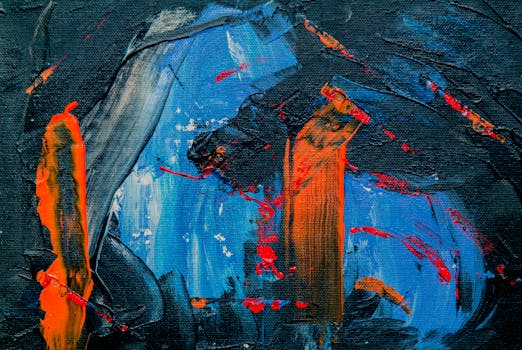
Dynamic abstract painting with bold colors and textures in acrylic on canvas. Photo: Steve A Johnson / Pexels
The allure of limited edition art prints lies in their unique blend of accessibility, artistic merit, and potential for appreciation. Unlike original paintings, which are one-of-a-kind, limited edition prints offer a way for more collectors to own a piece by a celebrated artist. However, 'limited edition' is more than just a marketing term; it signifies a finite number of impressions produced from a single matrix (e.g., a plate, screen, or digital file), after which no more will be made. This scarcity is a fundamental driver of their value. When you purchase limited edition art prints, you're not just buying a decorative item; you're acquiring a piece of an artist's vision, endorsed by their hand, and destined to remain exclusive. The value is intrinsically linked to several factors: the artist's reputation, the printmaking technique used, the edition size, the print's condition, and its provenance (history of ownership). For instance, a print by a renowned artist with a small edition size (e.g., 25 or 50) will generally command a higher price and retain more value than a print by a lesser-known artist with a larger edition (e.g., 500). Furthermore, the specific printmaking process—be it etching, lithography, silkscreen, or giclée—can influence its aesthetic and market perception. Each technique offers distinct textures and visual qualities, appealing to different collector preferences. Discerning collectors often appreciate the traditional, labor-intensive methods that yield unique characteristics in each impression. Understanding these nuances is crucial for anyone looking to build a meaningful art collection. It's not merely about the initial cost, but about the long-term enjoyment and potential for cultural or financial growth that these artworks offer. The narrative behind the print, its place within the artist's oeuvre, and its historical context also contribute significantly to its perceived and actual value. A print that marks a pivotal moment in an artist's career or reflects a significant cultural movement often becomes highly sought after. Therefore, thorough research into the artist and the specific edition is an indispensable step before making a purchase. This foundational knowledge empowers you to make informed decisions and truly appreciate the artistry and exclusivity embedded in each limited edition print.

Navigating the Market: Where to Purchase Limited Edition Art Prints

Two children stand in a minimalist gallery, looking out through a large window, creating a serene scene. Photo: Oguz Dik / Pexels
The landscape for acquiring limited edition art prints is diverse, offering options for every budget and preference. Knowing where to look is as important as knowing what to look for. Reputable art galleries remain a primary source, offering curated selections, expert advice, and often, direct relationships with artists. When you purchase limited edition art prints from a gallery, you benefit from their authentication processes, provenance tracking, and usually, professional framing services. Gallery staff can provide in-depth information about the artist, the specific printmaking technique, and the history of the edition. Online art platforms have revolutionized the market, providing unparalleled access to a global inventory of prints. Websites like Artsy, Artnet, and Saatchi Art host thousands of works from galleries and artists worldwide, allowing you to browse, compare, and purchase from the comfort of your home. However, exercising due diligence is paramount when buying online. Always check the seller's reputation, read reviews, and ensure they offer clear return policies and guarantee authenticity. Look for platforms that provide high-resolution images, detailed descriptions, and transparent pricing. Auction houses, both traditional (like Sotheby's and Christie's) and online (like Heritage Auctions), are excellent avenues for acquiring rare and valuable limited edition prints. Auctions can offer competitive pricing, especially for secondary market pieces, but require a keen understanding of bidding strategies and the artwork's true market value. Always review the auction catalog thoroughly, paying close attention to condition reports and provenance. Direct from artist studios or their official websites is another increasingly popular option. This route often provides the most direct connection to the artist's vision and sometimes offers lower prices by cutting out intermediaries. However, ensuring the artist's credibility and the authenticity of the print falls more heavily on the buyer in this scenario. Art fairs, such as Frieze or Art Basel, and local art festivals, provide opportunities to see prints in person, meet artists and gallerists, and make immediate purchases. These events are fantastic for discovering new talent and understanding current trends in the art market. Regardless of the source, always prioritize authenticity. Look for a clear artist's signature, an edition number (e.g., 3/100), and ideally, a Certificate of Authenticity (COA) issued by the artist or gallery. A COA provides crucial details about the artwork, including its title, artist, date, medium, edition size, and often, a unique identifying number. This document is your strongest proof of authenticity and provenance, safeguarding your investment when you purchase limited edition art prints.

Authentication and Preservation: Securing Your Art Print Investment
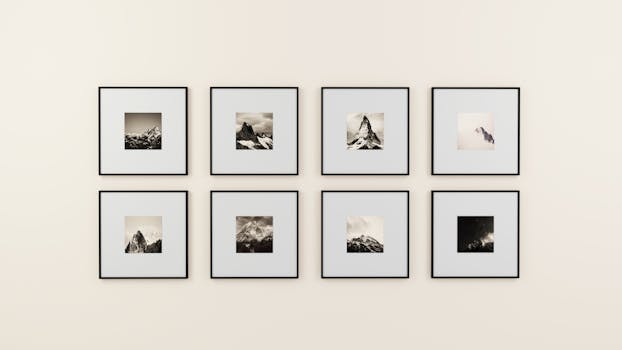
A minimalist display of framed mountain photography on a plain wall. Photo: Medhat Ayad / Pexels
When you purchase limited edition art prints, ensuring their authenticity and implementing proper preservation techniques are critical steps in protecting your investment and maintaining their aesthetic appeal. The authenticity of a print is primarily established through the artist's signature and the edition number. A genuine limited edition print will almost always be hand-signed by the artist, often in pencil below the image, and numbered (e.g., 'AP' for Artist's Proof, 'PP' for Printer's Proof, or a fraction like '15/100'). These marks are not just signatures; they are integral parts of the artwork's identity and proof of its limited nature. Be wary of unsigned prints unless their provenance is impeccable and verifiable. A Certificate of Authenticity (COA) is another vital document. Issued by the artist, gallery, or publisher, a COA details the print's specifications, including its title, artist, date, medium, dimensions, and edition size. It acts as a formal declaration of the artwork's legitimacy. Always request a COA when you purchase limited edition art prints and keep it securely with your artwork's records. For preservation, the immediate concern after purchase is proper framing. Professional, archival framing is non-negotiable. This involves using acid-free mats, backing boards, and UV-protective glazing (glass or acrylic). Acidic materials can cause irreversible damage, leading to yellowing, brittleness, and foxing (brown spots) over time. UV-protective glazing shields the print from harmful ultraviolet rays, which can cause fading and discoloration of inks and paper. Display conditions also play a significant role. Avoid hanging prints in direct sunlight or under intense artificial light, as prolonged exposure will inevitably lead to damage. Maintain a stable environment with consistent temperature and humidity levels. Fluctuations can cause the paper to expand and contract, leading to warping or damage. Ideal conditions are typically around 68-72°F (20-22°C) with 45-55% relative humidity. If you need to store prints, do so flat in archival boxes or portfolios, separated by acid-free tissue paper. Never roll or fold prints unless specifically instructed by the artist or gallery. Regular, gentle dusting with a soft, clean cloth is usually sufficient for cleaning framed prints. Never use chemical cleaners on the print itself or its frame. By diligently focusing on authentication and employing proper preservation methods, you ensure that your limited edition art prints remain vibrant, valuable, and a source of joy for generations to come. This commitment to care is a reflection of your appreciation for the art and its enduring legacy, enhancing your art collecting journey.

Tips for First-Time Buyers and Common Mistakes to Avoid
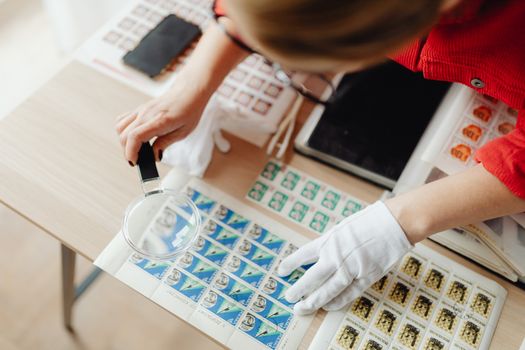
A person wearing white gloves inspects postage stamps using a magnifying glass. Photo: https://kaboompics.com/ / Pexels
For those embarking on their journey to purchase limited edition art prints, a thoughtful approach can make all the difference between a fulfilling acquisition and a regrettable one. Here are some essential tips for first-time buyers and common pitfalls to steer clear of: **Tips for First-Time Buyers:** * **Buy What You Love:** This is the golden rule of art collecting. While investment potential is a factor, your primary motivation should be genuine appreciation for the artwork. A piece you love will bring joy regardless of its market performance. * **Educate Yourself:** Learn about different printmaking techniques (e.g., screenprint, lithograph, giclée), their characteristics, and their historical significance. Understand artist terminology like 'AP' (Artist's Proof) or 'HC' (Hors Commerce). * **Set a Budget:** Determine how much you're willing to spend before you start looking. This helps narrow your search and prevents impulsive, over-budget purchases. * **Start Small:** You don't need to break the bank for your first acquisition. Many emerging artists offer affordable limited editions, allowing you to begin your collection without significant financial commitment. * **Inspect Thoroughly (if possible):** If buying in person, carefully examine the print for any damage, discoloration, or irregularities. If buying online, request detailed, high-resolution images and condition reports. * **Ask Questions:** Don't hesitate to ask galleries, dealers, or artists about the print's history, the artist's process, edition size, and any concerns you might have. A reputable seller will be happy to provide information. **Common Mistakes to Avoid:** * **Ignoring Authenticity Checks:** Failing to verify the artist's signature, edition number, and requesting a Certificate of Authenticity is a major risk. Counterfeits and unauthorized reproductions exist. * **Impulse Buying:** Rushing into a purchase without adequate research on the artist, the specific print, or its market value can lead to buyer's remorse or overpaying. * **Poor Preservation:** Neglecting archival framing or exposing prints to direct sunlight, extreme temperatures, or high humidity will inevitably lead to irreversible damage and loss of value. * **Overlooking Edition Details:** Not understanding the edition size or specific type of proof can lead to misjudging rarity and value. A large open edition print has a different market value than a small, hand-pulled limited edition. * **Buying Solely for Investment:** While some prints appreciate, art market trends are unpredictable. Focus on acquiring art that enriches your life, with investment potential as a secondary benefit. * **Not Considering Provenance:** For older or more valuable prints, a documented history of ownership (provenance) adds significant credibility and value. A lack of provenance can raise red flags. By following these guidelines, you can confidently navigate the exciting world of limited edition art prints and build a collection that reflects your taste and brings lasting satisfaction.

Comparison

FeatureReputable Online GalleryTraditional Brick-and-Mortar GalleryOnline Auction House
AccessibilityGlobal, 24/7Local, business hoursGlobal, specific auction times
Expert AdviceOnline chat, email supportPersonalized, in-personLimited, catalog descriptions
Authenticity GuaranteeStrong, varies by platformVery strong, direct artist contactStrong, condition reports
Price RangeWide, competitiveMid to high-endPotentially lower for rare finds
Return PolicyVaries, check termsFlexible, relationship-basedUsually final sale
Physical Inspection✓ (pre-auction viewing)

What Readers Say

"I was nervous to purchase limited edition art prints online, but this guide gave me the confidence to find a reputable gallery. The print arrived perfectly, and the COA was a huge relief."

Sarah J. · Austin, TX

"The details on authentication were invaluable. I now feel much more informed when evaluating prints and ensuring I'm getting a genuine piece for my collection."

David M. · New York, NY

"Thanks to this article, I learned about archival framing and saved a precious print from potential damage. My collection looks stunning and is now properly protected."

Emily R. · Seattle, WA

"While the guide was extremely helpful, I wish there was a bit more emphasis on emerging artists and how to spot their potential. Still, excellent advice for any collector."

Mark T. · Chicago, IL

"As an interior designer, understanding where and how to purchase limited edition art prints for clients is crucial. This resource is now my go-to for informed recommendations."

Jessica L. · Los Angeles, CA

Frequently Asked Questions

What specifically makes an art print 'limited edition'?

A limited edition art print is produced in a predetermined, finite number of copies, typically specified by the artist or publisher before production begins. Once this set number of prints is created, no more will be made from that specific matrix or image, thereby ensuring its scarcity and exclusivity in the market. Each print is usually hand-signed and numbered by the artist, confirming its place within the edition.

Is it safe to purchase limited edition art prints online?

Yes, it can be very safe to purchase limited edition art prints online, provided you choose reputable platforms, galleries, or dealers. Always look for clear authenticity guarantees, transparent return policies, detailed product descriptions, and high-resolution images. Checking seller reviews and ensuring the availability of a Certificate of Authenticity (COA) are crucial steps to minimize risks.

How do I verify the authenticity of a limited edition print?

To verify authenticity, look for the artist's original signature, typically in pencil, and the edition number (e.g., 50/100) on the print itself. Request a Certificate of Authenticity (COA) from the seller, which should detail the print's specifications and provenance. Reputable galleries and artists will always provide these. If in doubt, consult a professional art appraiser.

Are limited edition art prints a good investment?

Limited edition art prints can be a good investment, but it's not guaranteed. Their value can appreciate based on the artist's rising reputation, the print's rarity, condition, and market demand. However, art market trends are unpredictable. It's best to purchase what you genuinely love, with investment potential as a secondary benefit, rather than solely as a financial vehicle.

What's the difference between a limited edition print and an open edition print?

A limited edition print is produced in a fixed, finite number, making it exclusive and potentially more valuable due to scarcity. An open edition print, conversely, has no predetermined limit to the number of copies that can be produced, meaning it can be printed indefinitely. Open editions are typically more affordable and widely available, focusing more on accessibility than exclusivity.

Who should consider collecting limited edition art prints?

Anyone with an appreciation for art who wishes to own original works by established or emerging artists without the significantly higher cost of unique pieces should consider collecting limited edition art prints. It's ideal for those looking to start an art collection, art enthusiasts seeking to support artists, or individuals wanting to add unique and meaningful decor to their spaces.

What risks are involved when buying limited edition prints?

The primary risks involve unknowingly purchasing a forgery or unauthorized reproduction, overpaying due to insufficient research, or acquiring a print that has been poorly preserved or damaged. Lack of proper documentation (signature, edition number, COA) and buying from unreliable sources are major red flags that increase these risks. Always prioritize due diligence and reputable sellers.

How might technology impact the future of limited edition art prints?

Technology is already impacting the art print market, particularly with the rise of digital prints (giclées) and blockchain for authentication. NFTs (Non-Fungible Tokens) offer new ways to certify digital ownership and scarcity, potentially influencing how physical limited editions are tracked and valued. These advancements could enhance transparency and security for collectors.

Ready to embark on your art collecting journey? With the insights gained here, you're well-equipped to confidently purchase limited edition art prints that resonate with your spirit and enrich your home. Start exploring today and bring home a piece of artistic excellence.

Topics: purchase limited edition art printscollecting art printslimited edition art guideinvesting in art prints
Leo List

DK Escorts LU Escorts AT Escorts SE Escorts FI Escorts CH Escorts DE Escorts HR Escorts IE Escorts GR Escorts CZ Escorts NO Escorts BE Escorts FR Escorts SI Escorts IL Escorts NL Escorts PL Escorts HU Escorts ES Escorts IT Escorts PT Escorts SK Escorts RO Escorts ZA Escorts UY Escorts US Escorts UK Escorts NZ Escorts AU Escorts
Brampton weed
Adultwork EstrelaBet Vai de Bet R7 Bet Betão Galera Bet Rainbet Bet9ja Shop SportyBet BetKing Sisal Loto Foot Hollywoodbets YesPlay Odibets RushBet Jugabet BetWarrior BetCity MSport betPawa Fortebet