
How to Buy Original Paintings: Your Ultimate Guide
buy original paintings

How to Buy Original Paintings: Your Ultimate Guide

Unlock the secrets to acquiring authentic, meaningful art that enriches your life and space.

Start Your Art Journey

Key Takeaways

  • ✓ Original paintings offer unique aesthetic value and potential investment growth.
  • ✓ Authentication and provenance are crucial when purchasing fine art.
  • ✓ Online platforms have democratized access to a global art market.
  • ✓ Defining your personal taste and budget is the first step to a successful acquisition.

How It Works

1
Define Your Taste & Budget

Before diving in, understand what styles, themes, and colors resonate with you. Establish a realistic budget to narrow down your options effectively.

2
Research Artists & Galleries

Explore various artists, their backgrounds, and the galleries that represent them. Look for reputable sources that align with your aesthetic preferences and financial plan.

3
Verify Authenticity & Provenance

Always request documentation confirming the artwork's authenticity and its ownership history. This protects your investment and ensures you are acquiring a legitimate piece.

4
Make Your Purchase & Display

Once satisfied, complete the purchase, arrange for insured shipping, and prepare your space. Proper display and care will preserve the painting's beauty and value for years.

Understanding the Value of Original Art
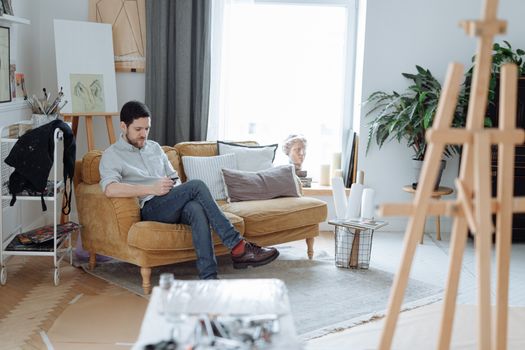
Casual man sitting on sofa using smartphone in a bright, modern art studio. Photo: Thirdman / Pexels
When you decide to buy original paintings, you're not just acquiring a decorative object; you're investing in a unique piece of human expression, a tangible representation of an artist's vision, skill, and emotion. Unlike mass-produced prints or reproductions, an original painting possesses an inherent uniqueness. There is only one of its kind, carrying the direct touch and energy of its creator. This singularity is a cornerstone of its value, both aesthetically and financially. For many, the appeal lies in owning something truly bespoke, a piece that can transform a living space into a personal gallery, reflecting individual taste and sophistication. The texture of the brushstrokes, the subtle variations in color, the depth that light interacts with – these are elements that only an original artwork can truly convey, creating a dynamic presence that shifts with the viewing angle and ambient light. This depth and tactile quality foster a deeper connection between the viewer and the art, making it a focal point for contemplation and conversation. Beyond its immediate aesthetic pleasure, original art can also be a sound investment. While not all art appreciates in value, well-chosen pieces by emerging or established artists can see significant returns over time. Factors like an artist's career trajectory, market demand, critical acclaim, and exhibition history all contribute to potential appreciation. For those considering art as an investment, understanding these dynamics is crucial. It's about more than just personal preference; it involves a degree of market research and foresight. However, even for those primarily driven by passion, the knowledge that their beloved piece holds intrinsic and potentially increasing monetary value adds another layer of satisfaction. Furthermore, collecting art connects you to a broader cultural narrative. Each painting tells a story, not just of its subject, but of the artist's journey, the artistic movements it belongs to, and the historical context in which it was created. This engagement with art history and contemporary culture enriches one's life, fostering a deeper appreciation for creativity and human ingenuity. It’s a journey of discovery, learning about different styles, techniques, and the diverse perspectives artists bring to the world. Ultimately, to buy original paintings is to embrace a legacy, to become a custodian of creativity, and to bring unparalleled beauty and meaning into your environment. It's a deeply personal and rewarding endeavor that transcends mere commerce, becoming an integral part of one's identity and surroundings. The decision to acquire original art is often driven by an emotional response, a profound connection to a particular piece that speaks to the soul. This emotional resonance is what truly sets original art apart and makes the acquisition process so fulfilling.

Navigating the Art Market: Where to Find Your Next Piece

The art market, once perceived as exclusive and opaque, has become significantly more accessible, offering a diverse array of avenues to buy original paintings. Understanding these channels is key to a successful and satisfying acquisition. Traditional brick-and-mortar galleries remain a cornerstone of the art world. They offer a curated selection of artists, often specializing in particular styles, movements, or price points. Visiting a gallery allows for an immersive experience, where you can see the artwork in person, speak with knowledgeable gallerists about the artist's background, techniques, and provenance, and gain a deeper understanding of the piece. Gallerists often act as trusted advisors, guiding collectors through the complexities of the market and helping them discover artists whose work aligns with their vision. Online art platforms have revolutionized how we access and buy original paintings. Websites like Artsy, Saatchi Art, Artfinder, and countless independent artist sites offer vast inventories, connecting buyers directly with artists and galleries worldwide. These platforms provide high-resolution images, artist biographies, pricing, and often virtual viewing tools, allowing you to envision how a piece might look in your space. The convenience and sheer volume of options available online make it an invaluable resource, especially for those in regions with limited physical galleries or for buyers seeking a specific niche. However, due to the inability to inspect the art physically, thorough research and reliance on reputable platforms with strong buyer protection policies are paramount. Art fairs, both local and international, present another dynamic opportunity. Events like Art Basel, Frieze, and regional fairs gather numerous galleries and artists under one roof, creating a vibrant marketplace. They are excellent for discovering new talent, seeing a wide range of art in a short period, and networking within the art community. The energy of an art fair can be exhilarating, but it's important to approach them with a clear idea of what you're looking for to avoid being overwhelmed. Auction houses, from renowned institutions like Sotheby's and Christie's to smaller regional houses, are ideal for acquiring established works, often with a documented history. While they can be intimidating, auctions offer the chance to acquire significant pieces, sometimes at competitive prices. Understanding the bidding process, buyer's premiums, and terms and conditions is essential before participating. Finally, direct studio visits or artist open houses, if available, offer a unique and personal experience. Meeting the artist, seeing their creative space, and discussing their work firsthand can forge a profound connection to the art and its creator, often leading to a more meaningful purchase. Each of these avenues has its advantages and disadvantages, and the best approach often involves a combination, depending on your budget, experience, and the type of art you wish to acquire. Regardless of the channel, diligence in research and a clear understanding of your preferences will ensure a rewarding art buying journey.

Authenticity, Provenance, and Due Diligence in Art Acquisition

When you embark on the journey to buy original paintings, particularly those with significant value, the concepts of authenticity and provenance become paramount. These aren't mere formalities; they are the bedrock of a legitimate and valuable art acquisition, protecting your investment and ensuring the integrity of your collection. Authenticity refers to the artwork being genuinely created by the artist to whom it is attributed. Without proof of authenticity, a painting's value is severely diminished, regardless of its aesthetic appeal. This proof can come in various forms: a certificate of authenticity (COA) issued by the artist or their estate, a signed statement from a recognized expert, or inclusion in a reputable catalogue raisonné (a comprehensive, scholarly catalog of an artist's complete works). For contemporary artists, a direct signature on the work, often accompanied by a date and title, is a strong indicator. For older works, expert opinions and scientific analysis (like pigment analysis or carbon dating) might be necessary to confirm the work's origin and period. Provenance, on the other hand, refers to the documented history of an artwork's ownership. It's the chronological record of who has owned the piece since its creation. A clear and unbroken chain of provenance is highly desirable as it establishes the painting's legitimacy, tracks its journey through the art market, and can deter fraudulent claims or disputes. A robust provenance typically includes bills of sale, exhibition catalogs where the work was featured, auction records, and any relevant correspondence or photographic evidence. For works created before the 20th century, a detailed provenance also helps to rule out issues of theft or illicit trade, which are significant concerns in the art world. Due diligence, therefore, is the comprehensive research and investigation you undertake before committing to a purchase. This involves: Verifying the Seller's Reputation: Whether it's a gallery, auction house, or online platform, research their track record, reviews, and professional affiliations. Reputable sellers are transparent and willing to provide all necessary documentation. Examining the Artwork Physically (if possible): Look for signs of damage, restoration, or inconsistencies that might affect its value. If buying online, request detailed high-resolution images and videos from multiple angles. Consulting Experts: For significant purchases, consider hiring an independent art appraiser or art historian. Their objective assessment can provide invaluable insights into authenticity, condition, and fair market value. Reviewing all Documentation: Scrutinize COAs, provenance records, and any appraisal documents. Ensure they are consistent, complete, and free from anomalies. Understanding the Terms of Sale: Be clear about the return policy, shipping insurance, and any additional fees (e.g., buyer's premiums at auctions, sales tax). Neglecting due diligence can lead to costly mistakes, from acquiring a forgery to overpaying for a piece with a problematic history. A thorough approach ensures you are making an informed decision, securing a genuine piece of art, and protecting your investment for the long term. This rigorous process underscores the importance of patience and thoroughness in the art acquisition process, transforming a potentially risky venture into a confident and fulfilling one.

Tips for First-Time Buyers and Common Pitfalls to Avoid

Embarking on your first journey to buy original paintings can be exhilarating, but it's also fraught with potential missteps. By following a few key tips and being aware of common pitfalls, you can ensure a more positive and rewarding experience. First, define your personal aesthetic. Don't buy art just because it's popular or because someone tells you it's a good investment. Buy what genuinely resonates with you, what you'd love to live with every day. Your emotional connection to the art is its most enduring value. Start small and set a realistic budget. You don't need to spend a fortune to acquire beautiful original art. Many emerging artists offer incredible pieces at accessible prices. Beginning with smaller, more affordable works allows you to develop your taste and confidence without significant financial risk. Visit as many galleries, art fairs, and artist studios as possible. The more art you see, the more you'll refine your eye and understand different styles, techniques, and market values. Don't be afraid to ask questions; gallerists and artists are usually happy to share their knowledge. Research the artist thoroughly. Understand their background, exhibition history, and critical reception. For emerging artists, look at their trajectory and potential. For established artists, verify their market presence and consistency. This research contributes to your overall understanding and helps in making an informed decision. Always prioritize authenticity and provenance. As discussed earlier, these are non-negotiable. If a seller is hesitant to provide documentation or if the provenance is unclear, consider it a red flag and walk away. Trust your gut. If something feels off, it probably is. Common pitfalls include:
  • Impulse Buying: Falling in love with a piece at first sight without doing proper due diligence can lead to regrets. Take time to think, research, and perhaps even revisit the artwork.
  • Ignoring Condition Reports: Especially for older or more fragile works, understand the condition of the painting, any restoration work, and its potential impact on value and longevity.
  • Overpaying: Without proper market research, it’s easy to pay more than an artwork is worth. Compare prices of similar works by the same artist or comparable artists.
  • Buying Only for Investment: While art can be an investment, treating it purely as a commodity can detract from the joy of collecting and often leads to disappointment if market trends don't align with expectations.
  • Neglecting Framing and Installation: Proper framing protects the artwork and enhances its presentation. Consider how the piece will fit into your space and ensure it's installed securely and safely.
  • Lack of Insurance: Once purchased, ensure your artwork is adequately insured against damage, loss, or theft.
By approaching the process thoughtfully and diligently, you can confidently navigate the art market and build a collection that brings immense personal satisfaction and aesthetic pleasure for years to come.

Comparison

FeatureOriginal PaintingLimited Edition PrintOpen Edition Print
UniquenessTruly One-of-a-KindNumbered SeriesMass Produced
Artist's TouchDirect Brushstrokes/TextureDigital or Photographic ReproductionDigital or Photographic Reproduction
Potential Investment ValueHighModerate (Artist Dependent)Low
Aesthetic Depth
Price RangeHigh (Variable)MediumLow
Provenance DocumentationCrucial & DetailedOften IncludedRarely Applicable

What Readers Say

"I was nervous to buy original paintings online, but this guide gave me the confidence to find a reputable gallery. My new abstract piece is stunning and truly transforms my living room."

Sophia R. · Brooklyn, NY

"The advice on authenticity and provenance was invaluable. I felt much more secure in my purchase, knowing what questions to ask and what documentation to look for. Highly recommend this resource!"

Marcus L. · Los Angeles, CA

"Following the tips, I was able to acquire a beautiful landscape painting from an emerging artist at a local art fair. It's now the centerpiece of my home and brings me joy every day."

Elena P. · Chicago, IL

"While the guide was very comprehensive, I still found the initial search for artists a bit overwhelming. However, once I narrowed down my style, the advice on due diligence was extremely helpful."

David W. · Austin, TX

"As an interior designer, I often recommend clients buy original paintings. This article provides an excellent framework for educating them on the process and making informed decisions."

Jessica M. · Miami, FL

Frequently Asked Questions

What is the most important factor to consider when I buy original paintings?

The most important factor is a combination of personal connection to the artwork and verifying its authenticity and provenance. While aesthetic appeal draws you in, ensuring the piece is genuine and has a clear ownership history protects your investment and provides peace of mind. Never compromise on these aspects.

Is it safe to buy original paintings online?

Yes, it can be very safe to buy original paintings online, provided you use reputable platforms and conduct thorough due diligence. Look for sites with strong buyer protection, clear return policies, and detailed information about the artist and artwork. Always request high-resolution images and condition reports.

How do I know if an original painting is a good investment?

While there are no guarantees, a painting's investment potential is influenced by the artist's career trajectory, exhibition history, critical acclaim, and market demand. Researching comparable sales and consulting with art advisors can help, but it's generally recommended to buy art you love first, with investment potential as a secondary consideration.

What is a reasonable budget for an original painting?

A reasonable budget for an original painting can vary dramatically, from a few hundred dollars for emerging artists to millions for established masters. It's crucial to set a budget that you're comfortable with, as this will help narrow your search and prevent overspending. Many excellent pieces by talented artists are available in the $500-$5,000 range.

How do original paintings compare to limited edition prints in value?

Original paintings generally hold higher value than limited edition prints because they are unique, one-of-a-kind creations with the direct hand of the artist. Limited edition prints are reproductions, albeit in a small, numbered run. While some prints by highly sought-after artists can be valuable, they typically do not appreciate as much as their original counterparts.

Who should consider buying original paintings?

Anyone who appreciates unique beauty, desires to personalize their space with meaningful art, or wishes to support artists directly should consider buying original paintings. It's also for those looking to start an art collection, make a personal statement, or potentially invest in cultural assets that can appreciate over time.

What are the risks associated with buying original art?

The main risks include acquiring a forgery, overpaying, purchasing a damaged piece, or encountering issues with unclear provenance. These risks can be mitigated by thorough research, due diligence, buying from reputable sources, and seeking expert advice when making significant purchases.

What future trends are influencing how people buy original paintings?

Future trends include the continued growth of online art sales, increased transparency in pricing and provenance through blockchain technology, and a growing emphasis on art from diverse and underrepresented artists. Virtual reality (VR) and augmented reality (AR) tools are also enhancing the online viewing experience, allowing buyers to 'try on' art in their homes.

Ready to enrich your life and space? Use this comprehensive guide to confidently buy original paintings that resonate with your spirit and elevate your home. Start your art collection journey today and discover the profound joy of owning a unique masterpiece.

Topics: buy original paintingsinvest in artart acquisitioncollecting artfine art purchasing
Leo List

IE Escorts NO Escorts US Escorts NZ Escorts AU Escorts
Brampton weed
Adultwork EstrelaBet Vai de Bet R7 Bet Betão Galera Bet Rainbet Bet9ja Shop SportyBet BetKing Sisal Loto Foot Hollywoodbets YesPlay Odibets RushBet Jugabet BetWarrior BetCity MSport betPawa Fortebet