Unveiling Famous Female Artists Throughout History
August 18, 2026 15 min read 3,030 words
Discover the groundbreaking work and lasting impact of incredible women who shaped the art world against all odds.
Explore Their Stories
Pioneering Spirits: Early Famous Female Artists in History
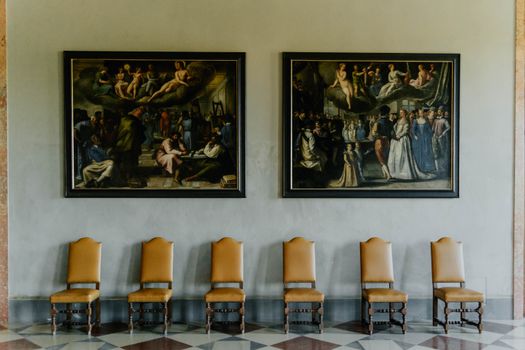 Photo: Red Nguyen / Pexels
For centuries, the contributions of women to the arts were often overlooked, undervalued, or attributed to male counterparts. Yet, even in the most restrictive eras, remarkable female artists emerged, defying societal expectations and leaving indelible marks on art history. These pioneering spirits often faced immense challenges, from limited access to formal training and materials to the outright dismissal of their talent. However, their unwavering dedication to their craft, combined with extraordinary skill and unique vision, allowed them to create masterpieces that resonate to this day.
One of the most celebrated early famous female artists throughout history is Artemisia Gentileschi (1593–c. 1656), a formidable Italian Baroque painter. Her powerful and dramatic works, often depicting strong female protagonists from biblical or mythological narratives, were revolutionary for her time. Gentileschi's personal experiences, including surviving sexual assault, profoundly influenced her art, infusing her depictions of women like Judith slaying Holofernes with an unparalleled intensity and psychological depth. She was the first woman admitted to the Accademia di Arte del Disegno in Florence, a testament to her undeniable talent and recognition among her male peers. Her use of chiaroscuro and her ability to convey raw emotion set her apart, making her a crucial figure in Baroque art. Her story is not just one of artistic brilliance but also of resilience in the face of adversity, making her an enduring symbol of female empowerment in the arts.
Moving into the Dutch Golden Age, Judith Leyster (1609–1660) stands out as another significant figure. A contemporary of Frans Hals, Leyster was a master of genre scenes, portraits, and still lifes. Her works are characterized by their vibrant brushwork, keen observation of everyday life, and a distinct sense of humor and warmth. Despite achieving considerable success during her lifetime, running her own workshop and even taking on male apprentices, her work was largely forgotten after her death, with many pieces misattributed to Hals or other male artists. It wasn't until the late 19th century that her unique artistic signature was rediscovered and celebrated, cementing her place among the great Dutch masters. Her self-portrait, a confident and engaging piece, serves as a powerful statement of her artistic identity and professional stature.
Another early trailblazer was Sofonisba Anguissola (c. 1532–1625), an Italian Renaissance painter who achieved international renown. Born into a noble family, she received an unusually extensive education, including artistic training, which was rare for women of her time. Her portraits, particularly her insightful self-portraits and family portraits, were highly admired for their psychological penetration and naturalism. She served as a court painter to King Philip II of Spain, a position of immense prestige that allowed her to wield considerable influence. Anguissola's career spanned decades, and her work influenced subsequent generations of artists, demonstrating that women could achieve artistic excellence and professional success even within the rigid social structures of the Renaissance. These women, and many others like them, laid the groundwork for future generations, proving that artistic genius knows no gender and that their voices, though often suppressed, could not be silenced. Their stories offer crucial insights into the broader history of art and society, reminding us of the persistent struggle for recognition and the enduring power of creative expression. For more on the broader context of artistic movements, explore
the evolution of art history.
Revolutionary Brushstrokes: Modern and Impressionist Female Artists
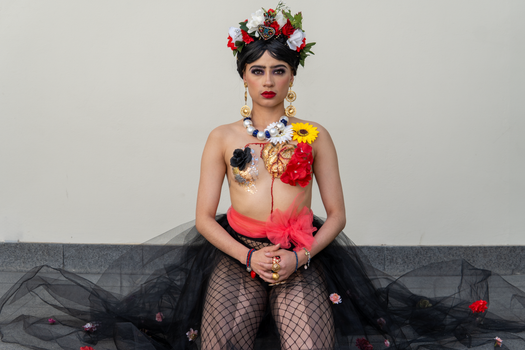 Photo: Israyosoy S. / Pexels
The 19th and early 20th centuries marked a period of immense social and cultural change, and with it, a significant shift in the opportunities and recognition afforded to female artists. While barriers still existed, the rise of new art movements like Impressionism, Post-Impressionism, and early Modernism provided fertile ground for women to challenge traditional norms and express themselves with unprecedented freedom. These artists often experimented with light, color, and form, pushing the boundaries of what was considered acceptable subject matter and technique, thereby earning their place among famous female artists throughout history.
Mary Cassatt (1844–1926), an American Impressionist painter who spent much of her adult life in France, is undoubtedly one of the most celebrated figures of this era. A close friend and colleague of Edgar Degas, Cassatt was instrumental in bringing Impressionism to America. Her work primarily focused on the intimate lives of women, particularly mothers and children, depicted with tenderness, honesty, and psychological insight. She captured the domestic sphere not as a place of confinement but as a realm of profound emotional connection and quiet dignity. Her bold compositions, strong lines, and vibrant color palette made her stand out, and her commitment to exhibiting with the Impressionists, despite initial resistance from the conservative art establishment, solidified her reputation as a groundbreaking artist. Cassatt's dedication to depicting women's experiences with authenticity helped redefine the female gaze in art.
Another towering figure from this period is Berthe Morisot (1841–1895), a French Impressionist and the only woman to exhibit in the first Impressionist exhibition in 1874. Morisot's paintings are characterized by their delicate brushwork, luminous quality, and intimate portrayal of domestic scenes, landscapes, and portraits. She captured fleeting moments with remarkable sensitivity, often focusing on the lives of women and children within bourgeois settings. Despite being overshadowed by her male counterparts for some time, Morisot's unique contribution to Impressionism, particularly her exploration of light and atmosphere, is now widely recognized. Her ability to infuse everyday scenes with a sense of poetry and introspection made her a pivotal artist in the movement, providing a distinctive female perspective on modern life.
Beyond Impressionism, Frida Kahlo (1907–1954) emerged as one of the most iconic and influential artists of the 20th century. A Mexican painter known for her uncompromising and often surrealist self-portraits, Kahlo’s work is deeply personal, exploring themes of identity, pain, loss, and the vibrant culture of Mexico. Her life was marked by chronic pain and numerous medical procedures following a severe bus accident, which profoundly informed her art. She used her canvases as a means of self-expression and catharsis, creating powerful visual narratives that blurred the lines between reality and dream. Kahlo's distinctive style, characterized by vivid colors, symbolic imagery, and a direct, unflinching gaze, has made her a global icon. Her art transcends mere autobiography, offering universal insights into human suffering, resilience, and the complexities of selfhood. Her enduring popularity and the powerful messages embedded in her work ensure her place as one of the most famous female artists throughout history, inspiring generations of artists and activists alike. These artists, through their diverse styles and subject matter, collectively challenged the male-dominated art world and expanded the very definition of art itself.
Contemporary Visionaries: Shaping the Future of Art
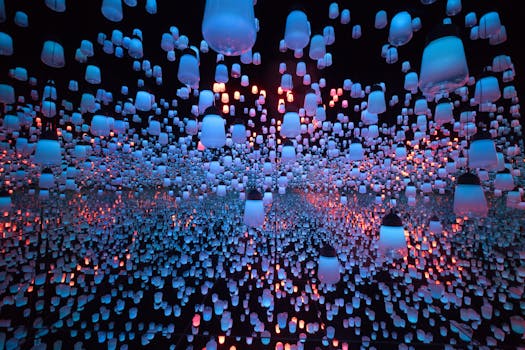 Photo: Evgeny Tchebotarev / Pexels
As we move into the late 20th and 21st centuries, the landscape for female artists has continued to evolve, albeit with ongoing challenges. Contemporary famous female artists throughout history are pushing boundaries, exploring new mediums, and engaging with complex social, political, and personal narratives. Their work often challenges viewers to reconsider established norms, offering fresh perspectives on identity, power, environmentalism, and technology. The recognition of women in art has grown significantly, with increased representation in museums, galleries, and academic discourse, yet the fight for true equity and visibility persists.
Yayoi Kusama (b. 1929), the Japanese avant-garde artist, is a living legend whose work transcends categories and generations. Known for her immersive 'Infinity Mirror Rooms,' polka dots, and net patterns, Kusama's art explores themes of infinity, self-obliteration, and psychological states. Her distinctive visual language, developed over a career spanning more than seven decades, has made her one of the most recognizable and commercially successful artists in the world. Kusama's art is not merely decorative; it is deeply rooted in her personal experiences with mental health and her philosophical inquiries into the universe. Her ability to create captivating, experiential art that resonates with a global audience has cemented her status as a contemporary icon. Her relentless creativity and unique vision continue to inspire and challenge the art world, proving the boundless potential of artistic expression. Her journey is a powerful testament to the healing and transformative power of art. For more on the impact of art on well-being, see our insights on
art therapy and mental health.
Another profoundly influential contemporary artist is Marina Abramović (b. 1946), a Serbian performance artist who has been a pioneer in the field for over five decades. Known for her fearless and often grueling performances that push the limits of physical and mental endurance, Abramović explores themes of pain, endurance, transformation, and the relationship between artist and audience. Her seminal works, such as 'Rhythm 0' (1974), where she allowed the audience to use 72 objects on her body, or 'The Artist is Present' (2010), where she engaged in silent, prolonged gazes with museum visitors, have redefined the boundaries of art. Abramović's work is not just about spectacle; it is a profound inquiry into human nature, vulnerability, and the shared experience of existence. Her contributions have not only shaped performance art but have also influenced a wide range of contemporary artistic practices, making her one of the most famous female artists throughout history whose work continues to provoke thought and emotion.
Jenny Holzer (b. 1950), an American conceptual artist, uses text and language as her primary medium to deliver powerful, thought-provoking messages. Her 'Truisms' and 'Inflammatory Essays,' often displayed in public spaces through LED signs, projections, and stone benches, challenge societal norms and question authority. Holzer's work addresses themes of power, war, violence, gender, and death, prompting viewers to critically examine their own beliefs and the world around them. Her ability to distill complex ideas into concise, impactful statements, and to deploy them in unconventional public contexts, has made her a unique and influential voice in contemporary art. Her art is a constant dialogue with the public, transforming passive observation into active engagement. These artists, along with many others, are not just creating art; they are shaping discourse, challenging perceptions, and expanding the very definition of what art can be, ensuring that the legacy of famous female artists throughout history continues to grow and inspire.
Recognizing Their Enduring Legacy: Tips for Further Exploration
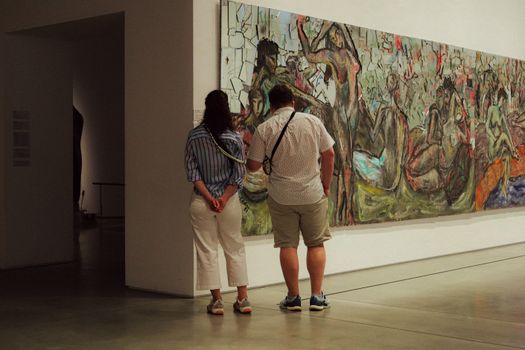 Photo: rana aldemir / Pexels
The journey through the lives and works of famous female artists throughout history reveals a tapestry rich with resilience, innovation, and profound beauty. Their contributions, often made in the face of significant systemic barriers, have irrevocably shaped the course of art. From the audacious brushstrokes of Artemisia Gentileschi to the conceptual brilliance of Jenny Holzer, these women have not only created masterpieces but have also paved the way for future generations of artists to express themselves authentically and fearlessly. Their legacies remind us that artistic genius knows no gender, and that diverse perspectives are essential for a complete understanding of human creativity.
To truly appreciate the depth and breadth of their impact, it's crucial to actively seek out and engage with their work. Here are some tips for further exploration:
* **Visit Museums and Galleries:** Many major art institutions are making concerted efforts to showcase more works by female artists. Check their permanent collections and special exhibitions. Look beyond the most famous names and discover lesser-known but equally compelling artists.
* **Read Biographies and Art History Books:** Delve into detailed accounts of their lives and artistic processes. Many excellent books now focus specifically on women in art, offering nuanced perspectives that were historically overlooked. Consider works by authors like Linda Nochlin or Griselda Pollock.
* **Explore Online Databases and Archives:** Websites like the National Museum of Women in the Arts (NMWA), Artstor, and Wikipedia's art project pages offer extensive resources, images, and information on thousands of female artists from various periods and regions.
* **Attend Lectures and Workshops:** Many universities, museums, and community centers host talks and educational programs dedicated to women in art. These can provide deeper insights and opportunities for discussion.
* **Support Contemporary Female Artists:** Seek out and support the work of living female artists in your local community and beyond. Purchase their art, attend their shows, and follow their careers on social media. Your engagement helps to foster a more equitable art world for the future.
* **Question the Canon:** Continuously challenge the traditional, male-dominated art historical narratives. Ask who might be missing from the story and why, promoting a more inclusive understanding of art's past and present.
By actively engaging with the work and stories of these incredible women, we not only honor their past achievements but also contribute to a more inclusive and representative future for the arts. Their enduring legacies serve as powerful reminders of the human spirit's capacity for creativity and resilience.
