✓ American art began to forge a distinct identity in the 18th century, moving away from European traditions.
✓ The 20th century saw American artists lead global movements like Abstract Expressionism and Pop Art.
✓ Many famous American artists used their work to comment on social, political, and cultural issues.
✓ The diversity of American landscapes and cultural experiences heavily influenced artistic expression.
How It Works
1
Explore Historical Context
Understand the periods and societal shifts that influenced these artists. Art is often a reflection of its time, providing deeper meaning.
2
Discover Key Movements
Familiarize yourself with major American art movements like the Ashcan School, Regionalism, Abstract Expressionism, and Pop Art. Each movement offers a unique lens.
3
Analyze Iconic Works
Dive into the masterpieces that defined these artists' careers. Pay attention to technique, subject matter, and the emotional impact of their creations.
4
Connect Art to Culture
See how these artists' contributions transcend the canvas, influencing fashion, design, and popular culture. Their legacies extend far beyond the gallery walls.
Pioneers and Visionaries: Shaping Early American Art
Photo: Ali Bensoula / Pexels
The narrative of famous American artists is deeply intertwined with the nation's own evolving identity. In the nascent stages of the United States, artistic expression was largely an echo of European traditions, with portraiture dominating the scene as a means for burgeoning aristocrats and founding fathers to immortalize their status. However, even in these early years, figures like John Singleton Copley (1738–1815) emerged, bringing a distinct realism and psychological depth to his subjects that set him apart from his European contemporaries. Copley, though trained in the British tradition, infused his portraits with a uniquely American sensibility, capturing the rugged individualism and pragmatic spirit of the colonial era. His ability to render textures and expressions with striking fidelity made him highly sought after, and his works remain invaluable historical documents as well as artistic triumphs.
As the nation expanded westward and grappled with its own burgeoning sense of self, the landscape itself became a profound source of inspiration. The Hudson River School, a mid-19th-century art movement embodied by artists such as Thomas Cole (1801–1848) and Frederic Edwin Church (1826–1900), celebrated the sublime grandeur of the American wilderness. These artists painted sweeping vistas of untouched forests, majestic mountains, and dramatic waterfalls, imbuing them with a sense of divine presence and national destiny. Their works were not merely topographical records; they were moral allegories, reflecting the prevailing belief in Manifest Destiny and the spiritual purity of nature. Cole's series 'The Course of Empire' is a powerful example of this allegorical approach, depicting the rise and fall of a civilization through the transformation of a landscape. Church, with his meticulous detail and dramatic lighting, transported viewers to exotic locales like the Andes and the Arctic, showcasing the vastness and beauty of the natural world through an American lens. These artists laid the groundwork for a truly American artistic tradition, one that found its voice not just in the human form, but in the sprawling, untamed beauty of the continent itself. Their contributions were vital in establishing a visual language for a young nation, distinguishing its artistic output from the long-established European canons. They proved that American art could be both grand in scale and profound in meaning, setting a high bar for future generations of artists. The exploration of identity through landscape and portraiture provided a rich foundation for the diverse artistic movements that would follow, solidifying their place among the most famous American artists. For more on the early development of American artistic styles, see this article on American Colonial Art.
Revolutionizing Modernism: American Artists in the 20th Century
Photo: Steve A Johnson / Pexels
The 20th century marked a dramatic turning point for famous American artists, as they moved from absorbing European influences to leading global art movements. This era saw a profound shift from representational art to abstraction, and American artists were at the forefront of this revolution. Edward Hopper (1882–1967), though not an abstractionist, captured the alienation and quiet introspection of modern American life with his iconic realist paintings. His masterful use of light and shadow, combined with stark compositions, created a sense of melancholic beauty in scenes of diners, gas stations, and isolated figures. Works like 'Nighthawks' have become quintessential representations of urban loneliness, resonating deeply with audiences across generations. Simultaneously, Georgia O'Keeffe (1887–1986) redefined American modernism with her distinctive close-up floral paintings, stark New Mexico landscapes, and architectural studies. Her ability to distill natural forms into abstract compositions, emphasizing color and line, offered a fresh perspective on the world. O'Keeffe's work was deeply personal, yet universally appealing, demonstrating a profound connection to the subjects she painted and a pioneering spirit that challenged conventional artistic norms. She forged a path for female artists in a male-dominated field, becoming an icon of artistic independence.
The mid-20th century witnessed the explosive birth of Abstract Expressionism in New York City, solidifying America's position as a global art capital. Jackson Pollock (1912–1956), with his revolutionary 'drip' technique, became the poster child for this movement. His large-scale canvases, covered in intricate webs of paint, were not just paintings but records of performance, embodying raw emotion and spontaneity. Pollock's work shattered traditional notions of composition and subject matter, inviting viewers to experience art on a visceral, non-representational level. Willem de Kooning (1904–1997), another titan of Abstract Expressionism, explored the human figure through frenetic brushstrokes and vibrant colors, blurring the lines between abstraction and figuration. His 'Woman' series, though controversial at the time, showcased his powerful command of paint and his relentless exploration of form. These artists, along with others like Mark Rothko and Barnett Newman, created a new visual language that prioritized emotion, process, and the artist's inner world, profoundly influencing subsequent generations of artists worldwide. Their bold experiments and uncompromising vision cemented their status as some of the most famous American artists, fundamentally altering the trajectory of modern art and establishing New York as the new epicenter of artistic innovation, a role it would largely maintain for decades.
Pop Art and Beyond: Challenging Conventions and Engaging Culture
Photo: Orhan Pergel / Pexels
As the 20th century progressed, famous American artists continued to push boundaries, directly engaging with and often critiquing consumer culture and mass media. The Pop Art movement, emerging in the late 1950s and flourishing in the 1960s, was a direct response to the perceived elitism and introspective nature of Abstract Expressionism. Andy Warhol (1928–1987) stands as the undisputed king of Pop Art, transforming everyday objects, celebrity portraits, and commercial imagery into high art. His iconic 'Campbell's Soup Cans' and 'Marilyn Diptych' challenged the very definition of art, blurring the lines between commerce and creativity. Warhol's factory, a hub of artistic experimentation and social interaction, became a legendary space where art, music, and counter-culture converged. He democratized art, making it accessible and relevant to a broader audience, and his influence continues to permeate contemporary art, fashion, and media. Roy Lichtenstein (1923–1997) was another pivotal figure in Pop Art, known for his large-scale paintings that mimicked comic book panels, complete with Ben-Day dots and speech bubbles. His meticulous rendering of commercial art techniques elevated popular culture into fine art, often with a humorous and ironic commentary on societal norms and gender roles. Lichtenstein's work was a clever exploration of representation, originality, and the impact of mass media on visual perception.
Beyond Pop Art, the latter half of the 20th century and into the 21st has seen a remarkable diversification of artistic practices among famous American artists. Contemporary artists like Jean-Michel Basquiat (1960–1988) emerged from the street art scene, bringing raw energy, socio-political commentary, and a unique visual language to the gallery world. His fusion of graffiti, symbolism, and figuration addressed themes of race, class, and identity, making him a powerful voice in the art world before his untimely death. Kara Walker (b. 1969) challenges viewers with her provocative and intricate silhouette installations, exploring the complex narratives of race, gender, and violence in American history. Her work is both beautiful and unsettling, forcing a confrontation with uncomfortable truths. Jeff Koons (b. 1955) continues to provoke and captivate with his large-scale, often controversial, sculptures that explore themes of celebrity, consumerism, and kitsch. These artists, and countless others, demonstrate the ongoing vitality and evolution of American art, proving that the nation's artistic spirit remains as innovative and diverse as its people. Their willingness to experiment, to question, and to reflect the complexities of their time ensures their enduring legacy and their place among the most famous American artists. To understand more about how art reflects societal changes, read our piece on Art and Social Commentary.
The Enduring Impact and Legacy of American Artistry
The collective impact of famous American artists extends far beyond the confines of museum walls and auction houses. Their groundbreaking contributions have not only shaped the trajectory of global art history but have also profoundly influenced various facets of culture, from design and fashion to advertising and even political discourse. The bold individualism championed by early American portraitists set a precedent for celebrating personal narratives, a theme that reverberates through contemporary art. The sweeping landscapes of the Hudson River School instilled a deep appreciation for the American wilderness, fostering early environmental conservation efforts and influencing how Americans perceive their national identity through natural beauty. These foundational elements provided a rich canvas for future generations to build upon, allowing for an incredibly diverse and dynamic artistic evolution.
Moreover, the revolutionary movements spearheaded by American artists in the 20th century, such as Abstract Expressionism and Pop Art, fundamentally altered the relationship between art and the public. Abstract Expressionism, with its emphasis on raw emotion and individual expression, paved the way for a more subjective and experiential engagement with art, moving away from purely narrative or representational forms. This shift encouraged viewers to interpret and feel art rather than just observe it, broadening the scope of artistic appreciation. Pop Art, conversely, broke down the barriers between 'high' and 'low' culture, validating everyday objects and popular imagery as worthy subjects of artistic exploration. This democratization of art made it more relatable and accessible, fostering a wider audience and blurring the lines between fine art and commercial design. The legacy of these artists is seen in the ubiquity of Pop Art aesthetics in modern advertising, graphic design, and even street art, demonstrating their pervasive influence.
Today, the influence of these famous American artists continues to inspire and challenge new generations. Contemporary artists draw upon the innovative techniques, thematic explorations, and philosophical inquiries initiated by their predecessors. The willingness to experiment, to question societal norms, and to reflect the complexities of the human experience remains a hallmark of American artistry. From the vibrant street art murals that adorn urban landscapes to the cutting-edge digital installations in galleries, the spirit of innovation and cultural engagement fostered by these iconic figures persists. Their legacies are not static; they are living, evolving forces that continue to shape how we see the world, how we express ourselves, and how we understand the power of art to communicate, provoke, and unite. The stories and works of these artists serve as a constant reminder of the profound role art plays in defining and reflecting a nation's soul. Key takeaways include:
* **Innovation:** American artists consistently pushed boundaries, from realism to abstraction to pop culture integration.
* **Cultural Reflection:** Their works often served as mirrors, reflecting societal changes, political climates, and evolving identities.
* **Global Impact:** Movements originating in the US, like Abstract Expressionism, reshaped the international art landscape.
* **Diversity:** The breadth of styles and subjects reflects the diverse experiences within the American context.
Comparison
Art Movement
Key Characteristics
Notable American Artists
Impact on Culture
Hudson River School
Romantic landscape painting, sublime nature, national identity
Thomas Cole, Frederic Edwin Church
Fostered appreciation for American wilderness, influenced conservation
Abstract Expressionism
Emphasis on emotion, spontaneity, non-representational forms
Jackson Pollock, Willem de Kooning
Shifted art world center to NYC, emphasized artist's inner world
Pop Art
Incorporation of popular culture, mass media, commercial imagery
Andy Warhol, Roy Lichtenstein
Democratized art, blurred lines between high/low culture, influenced advertising
American Realism (early 20th)
Depiction of everyday life, urban scenes, psychological depth
Edward Hopper, George Bellows
Captured the mood of modern America, social commentary
What Readers Say
★★★★★
"This article beautifully articulates the profound impact of famous American artists. I gained such a deeper appreciation for their contributions and the historical context of their work."
Sarah Chen · New York, NY
★★★★★
"As an art enthusiast, I found this overview of famous American artists incredibly insightful. It's rare to find such a comprehensive yet engaging piece on this topic."
David Rodriguez · Los Angeles, CA
★★★★★
"I was looking for a resource to understand American art history better, and this article delivered. It helped me connect the dots between various movements and artists, significantly enhancing my museum visits."
Emily White · Chicago, IL
★★★★★
"A very well-written article that covers a lot of ground. While I would have loved to see a few more contemporary artists mentioned, the depth on the major figures was excellent."
Mark Johnson · Austin, TX
★★★★★
"This article on famous American artists is perfect for my art history class. It's clear, detailed, and highlights the unique aspects of American artistic development. Highly recommend!"
Jessica Lee · Miami, FL
Frequently Asked Questions
Who are some of the most famous American artists?
Some of the most famous American artists include John Singleton Copley, Thomas Cole, Frederic Edwin Church, Edward Hopper, Georgia O'Keeffe, Jackson Pollock, Willem de Kooning, Andy Warhol, Roy Lichtenstein, Jean-Michel Basquiat, and Kara Walker. These individuals span various periods and movements, each leaving an indelible mark on art history.
What is unique about American art history compared to European art?
American art history, while initially influenced by European traditions, developed its unique identity through its focus on the American landscape, its engagement with diverse cultural experiences, and its leadership in groundbreaking 20th-century movements like Abstract Expressionism and Pop Art. It often reflects the nation's evolving identity, social issues, and pioneering spirit.
How did Abstract Expressionism change the art world?
Abstract Expressionism, led by famous American artists like Jackson Pollock and Willem de Kooning, shifted the center of the art world from Paris to New York. It prioritized emotion, spontaneity, and the artist's inner experience over traditional representation, profoundly influencing how art was created, viewed, and understood globally, emphasizing the process as much as the final product.
What role did Pop Art play in American culture?
Pop Art, with figures like Andy Warhol and Roy Lichtenstein, played a crucial role in American culture by blurring the lines between 'high' art and popular culture. It celebrated everyday objects, consumerism, and celebrity, making art more accessible and relevant to a broader audience while often offering subtle social commentary on mass media and commercialism.
Are there any famous American women artists?
Absolutely. Georgia O'Keeffe is one of the most celebrated and famous American artists, known for her modernist paintings of flowers and New Mexico landscapes. Other influential women include Mary Cassatt, who was prominent in the Impressionist movement, and contemporary artists like Kara Walker, known for her provocative silhouette installations.
Who should learn about famous American artists?
Anyone interested in art history, American culture, or the evolution of artistic expression will benefit from learning about famous American artists. Students, art enthusiasts, historians, and even those curious about how cultural movements shape national identity will find their stories and works incredibly enriching and insightful.
Is American art still relevant today?
American art is incredibly relevant today. Contemporary American artists continue to push boundaries, engage with current social and political issues, and innovate across various mediums. The legacy of famous American artists provides a rich foundation for understanding current trends and the ongoing dialogue within the global art community.
What are the future trends in American art?
Future trends in American art are likely to continue embracing diversity in voices and mediums, with increasing exploration of digital art, AI-generated art, and immersive experiences. There will also be a sustained focus on themes of identity, social justice, environmentalism, and the impact of technology, building upon the rich legacy of famous American artists.
Dive deeper into the extraordinary world of famous American artists. Explore their masterpieces, understand their profound impact, and discover how their visions continue to shape our world. Begin your artistic journey today and connect with the enduring legacy of American creativity.

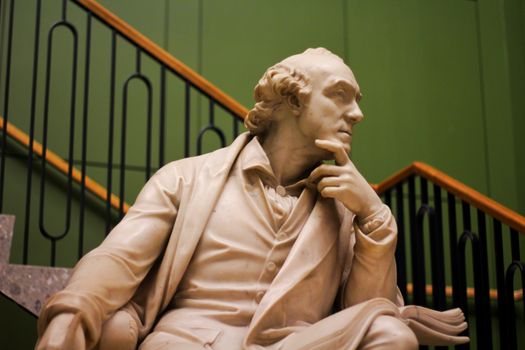 Photo: Ali Bensoula / Pexels
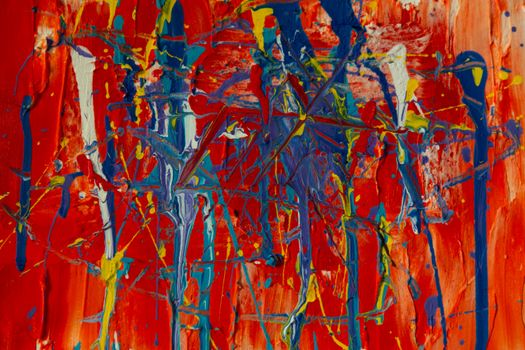 Photo: Steve A Johnson / Pexels
 Photo: Orhan Pergel / Pexels