Essential Art Supplies for Painting Beginners

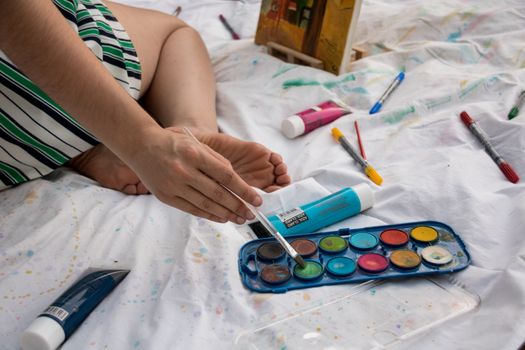
An artist's hand blends vibrant watercolors during a relaxing indoor painting session.Photo: Ana M. / Pexels

Essential Art Supplies for Painting Beginners

Unlock your artistic potential with the right tools, making your first painting experience enjoyable and successful.

Start Painting Now

Key Takeaways

  • ✓ You don't need expensive supplies to start painting.
  • ✓ Acrylics are often recommended for beginners due to their versatility and quick drying time.
  • ✓ Quality brushes make a significant difference in your painting experience.
  • ✓ Understanding basic color theory is more important than having every color available.

How It Works

1
Gather Your Core Essentials

Focus on a few key items: paint, brushes, a surface, and something to clean your brushes. This minimalist approach reduces overwhelm.

2
Experiment with Mediums

Try acrylics, watercolors, or oils to see which feels most natural and enjoyable for you. Each medium has its unique characteristics and learning curve.

3
Practice Basic Techniques

Before attempting complex compositions, practice brush strokes, color mixing, and layering. This builds foundational skills and confidence.

4
Embrace Imperfection

Your first paintings are for learning, not perfection. Enjoy the process, learn from mistakes, and don't be afraid to experiment.

Choosing Your First Painting Medium: Acrylics, Watercolors, or Oils?
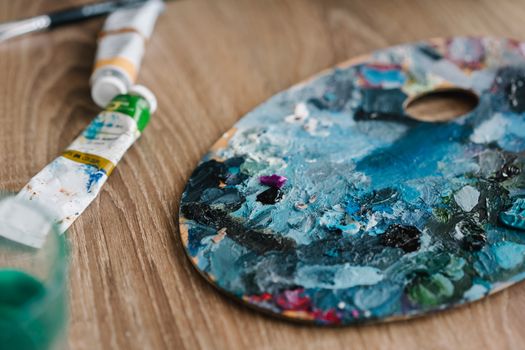
Close-up of an artist's messy palette with vibrant paint tubes on wooden surface.Photo: Mikhail Nilov / Pexels
Embarking on your painting journey begins with selecting the right medium. For many beginners, this choice can feel daunting, but understanding the characteristics of each popular option—acrylics, watercolors, and oils—can simplify the decision. Acrylic paints are often hailed as the best starting point for novices, and for good reason. They are incredibly versatile, drying quickly, which allows for fast layering and minimal waiting time between steps. This quick-drying nature also means they are less forgiving of mistakes, as you can simply paint over them once dry. Acrylics are water-soluble when wet, making cleanup a breeze with just soap and water, eliminating the need for harsh solvents. They can be thinned with water to achieve watercolor-like effects or used thickly for impasto textures, offering a wide range of expressive possibilities. Their vibrant colors and ability to adhere to almost any surface (canvas, paper, wood, fabric) make them a flexible and forgiving medium for experimentation. Many beginner art kits will feature acrylics due to their accessibility and ease of use. Watercolors, on the other hand, offer a distinct ethereal quality. They are known for their transparency, luminosity, and the beautiful, unpredictable ways colors blend and flow on paper. While seemingly simple due to their water-based nature, mastering watercolors requires a delicate touch and an understanding of water control. They dry relatively quickly but are less forgiving of major corrections compared to acrylics, as layers can be reactivated with water. The beauty of watercolors lies in their ability to create soft washes, delicate gradients, and vibrant glazes. They are perfect for landscapes, botanical illustrations, and abstract pieces where fluidity is desired. Cleanup is also easy, requiring only water. However, beginners might find the lack of opacity and the challenge of building up intense color without muddying difficult at first. If you're drawn to delicate, transparent effects and enjoy a meditative painting process, watercolors might be your calling. Oil paints, the classic medium of the masters, offer rich, vibrant colors, incredible blendability, and a luxurious, buttery texture. Their main characteristic is their slow drying time, which can be both a blessing and a curse for beginners. On one hand, it allows for extensive blending, seamless transitions, and the ability to work wet-on-wet for hours or even days. This extended working time is invaluable for developing complex compositions and achieving subtle color variations. On the other hand, the slow drying time means you'll need patience between layers and might require a dedicated space for paintings to dry. Oil paints traditionally require solvents like turpentine or mineral spirits for thinning and cleanup, though water-miscible oils are now available, offering a less toxic alternative. The investment in oil paints and associated mediums can also be higher than acrylics or watercolors. Despite the initial challenges, many artists find the depth and luminosity of oils unparalleled. If you're patient, enjoy a rich color palette, and appreciate the traditional aspects of painting, venturing into oils can be incredibly rewarding. For more on choosing the right tools, check out this guide on essential art tools. Ultimately, the best medium for you is the one you enjoy working with the most and that aligns with your artistic vision. Don't be afraid to try a few before settling on your favorite.

The Essential Brush Kit: Sizes, Shapes, and Materials for Beginners

A good set of brushes is arguably as important as the paint itself. For beginners, the sheer variety of brushes can be overwhelming, but you don't need dozens to start. A small, carefully selected collection will serve you well across different painting mediums. Brushes typically come in various shapes and sizes, each designed for specific applications. Understanding these basics will help you make informed choices. For shapes, consider starting with a few key types: a Round brush, a Flat brush, and a Filbert brush. A Round brush, as its name suggests, has a rounded ferrule (the metal part that holds the bristles) and a pointed tip. It's excellent for detail work, fine lines, and controlled strokes. You can vary the thickness of your line by adjusting pressure. A Flat brush has a square end and is great for broad strokes, sharp edges, and blocking in large areas of color. You can also use its edge for thinner lines. A Filbert brush is a hybrid, featuring a flat shape with an oval or rounded tip. This versatile brush combines the blending capabilities of a round brush with the coverage of a flat, making it ideal for softening edges, blending colors, and creating expressive marks without harsh lines. Additionally, a smaller detail brush (often a tiny round brush) will be invaluable for intricate work, like adding highlights or fine textures. Brush sizes are indicated by numbers, with higher numbers generally corresponding to larger brushes. For a beginner, a range from a small detail brush (e.g., size 0 or 1) up to a medium-large brush (e.g., size 8 or 10 for round and flat) will provide enough versatility. You don't need every size in between; a few key sizes will allow you to tackle various aspects of your painting. When it comes to materials, brushes are typically made from natural hairs or synthetic fibers. Natural hair brushes (like sable or hog bristle) are prized for their ability to hold a lot of paint and water, and they have excellent snap, meaning they return to their original shape well. Sable brushes are often used for watercolors due to their fine points and absorption, while hog bristle brushes are sturdy and great for thicker paints like oils and acrylics, offering good texture. Synthetic brushes, made from nylon or other man-made fibers, are incredibly versatile and often more affordable. They are durable, easy to clean, and perform well with all types of paint, especially acrylics, which can be harsh on natural bristles over time. For beginners, a good quality set of synthetic brushes is often the most practical and economical choice, offering excellent performance without the higher cost or specific care requirements of some natural hair brushes. Look for sets that offer a variety of shapes and sizes to give you a broad range of options without overspending. Remember, proper brush care—cleaning them immediately after use and storing them properly—will significantly extend their lifespan and maintain their performance.

Surfaces and Supports: Canvas, Paper, and Beyond for Beginner Artists

Once you have your paints and brushes, the next critical component is your painting surface. The choice of surface significantly impacts how your paint behaves, how colors appear, and the overall longevity of your artwork. For beginners, understanding the options and selecting appropriate supports is crucial for a positive learning experience. The most common surfaces include canvas, paper, and various types of boards, each with its own advantages and ideal uses. Learning about different surfaces can help you choose wisely. Canvas is perhaps the most iconic painting surface, especially for acrylics and oils. It’s typically made from cotton or linen, stretched over a wooden frame (stretched canvas) or glued to a board (canvas panels or boards). Stretched canvas offers a springy surface that many artists enjoy, and it's ready to hang. Canvas panels are more affordable, rigid, and easier to store, making them an excellent choice for practice and studies. Both types of canvas usually come pre-primed with gesso, a white acrylic primer that prepares the surface to accept paint, preventing absorption and providing a smooth or slightly textured ground for your colors. For beginners, pre-primed canvas panels or small stretched canvases are ideal because they remove the step of priming, allowing you to jump straight into painting. Look for multi-packs of various sizes to experiment without a significant financial commitment. The texture of the canvas, known as its 'tooth,' can also vary; a finer tooth is smoother and better for detailed work, while a coarser tooth can add interesting texture to your paint application. Paper is an incredibly versatile and often overlooked surface for painting, particularly for watercolors and acrylics. For watercolors, specific watercolor paper is essential. It's designed to absorb water without buckling or tearing, and it comes in different weights (gsm or lb) and textures (hot press for smooth, cold press for textured, and rough). Cold press watercolor paper is a popular choice for beginners due to its moderate texture, which holds pigment well and allows for various techniques. For acrylics, thick, heavy-duty paper (140lb/300gsm or more) designed for mixed media or acrylics is a great, inexpensive option for practice. You can even use gesso to prime regular paper or cardboard for acrylics, extending your practice options. Paper is excellent for quick studies, color mixing exercises, and developing compositions without the pressure of a more expensive canvas. Beyond canvas and paper, various boards and panels offer rigid support. Wood panels, hardboard (like Masonite), or even thick cardboard can be prepared for painting by priming them with gesso. These surfaces offer a very stable, non-flexible ground that can be appealing for certain styles, especially if you want a very smooth finish. For beginners, while these offer durability, starting with pre-primed canvases or appropriate papers is often simpler. When choosing any surface, ensure it's acid-free to prevent your artwork from yellowing or deteriorating over time. Start with smaller, less expensive surfaces to build confidence and experiment freely, gradually moving to larger or more expensive options as your skills develop. Remember, the goal is to paint, and any suitable surface that encourages that is the right choice.

Essential Accessories and Common Beginner Mistakes to Avoid

Beyond paints, brushes, and surfaces, a few key accessories will significantly enhance your painting experience and make the process smoother. Don't underestimate the utility of these simple additions. First, a palette is indispensable for mixing colors. You can use a dedicated plastic or ceramic palette, an old ceramic plate, or even wax paper or a disposable paper palette pad. The goal is a non-absorbent surface that allows you to see and mix colors accurately. Second, you'll need water containers for cleaning brushes (for acrylics and watercolors) or solvent containers (for oils). Two containers are often better: one for initial rinse and another for a cleaner rinse. Third, paper towels or old rags are crucial for wiping brushes, absorbing excess water, and correcting small mistakes. Finally, an easel, while not strictly essential for beginners, can greatly improve your posture and perspective, especially for longer painting sessions. A simple tabletop easel or a portable field easel can be a worthwhile investment once you've committed to painting. **Common Beginner Mistakes to Avoid:** * **Buying too many supplies at once:** It's tempting to get every color and brush, but this often leads to overwhelm and wasted money. Start with a basic palette of primary colors plus black and white, and a few essential brushes. You can always expand later. * **Not cleaning brushes properly:** Paint, especially acrylics, dries quickly and can ruin brushes if not cleaned immediately. Always clean your brushes thoroughly with water and soap after each use, shaping them back to their original form before storing. * **Painting too thin with acrylics or oils:** While you can thin paints, using too much water with acrylics can weaken their binder, making them less vibrant and durable. With oils, painting too thinly in early layers can violate the 'fat over lean' rule, leading to cracking. Understand the appropriate mediums for thinning each paint type. * **Not practicing basic techniques:** Jumping straight into complex paintings without understanding color mixing, brush control, or layering can be frustrating. Dedicate time to exercises and studies. * **Being afraid to make mistakes:** Every artist makes mistakes. See them as learning opportunities, not failures. Embrace experimentation and don't be afraid to paint over something you don't like or start a new piece. * **Ignoring light and shadow:** Understanding how light interacts with objects is fundamental to creating depth and realism. Pay attention to your light source and how it creates highlights and shadows. * **Comparing yourself to advanced artists:** Everyone starts somewhere. Focus on your progress and enjoy your unique artistic journey. Celebrate small victories and learn from every stroke.

Comparison

FeatureBest Option for BeginnersAlternative 1 (Watercolors)Alternative 2 (Oils)
Drying TimeFastModerateVery Slow
CleanupWater & SoapWater & SoapSolvents (or Water-Miscible)
VersatilityHighMediumHigh
OpacityOpaque (can be thinned)TransparentOpaque
Cost (Starter Set)Low to MediumLow to MediumMedium to High
For BlendingGoodGood (with water control)Excellent
For LayeringExcellent (once dry)Challenging (can reactivate)Excellent (wet-on-wet or dry)
ForgivenessHigh (can paint over)Low (hard to correct)Medium (long working time)

What Our Readers Say

5 ★★★★★

"As a complete novice, this guide to art supplies for painting beginners was a lifesaver. I felt so lost before, but now I have a clear idea of what to buy without breaking the bank. My first acrylic set is already bringing me so much joy!"

5 ★★★★★

"I always wanted to paint but was intimidated by all the choices. This article broke down the essential art supplies for painting beginners perfectly. I picked up a simple watercolor set and have been having a blast practicing washes."

5 ★★★★★

"Following the advice on starting with a basic kit, I’ve completed three small paintings I’m actually proud of! This resource truly demystified art supplies for painting beginners and helped me start my creative journey with confidence."

4 ★★★★☆

"The information on brushes was particularly helpful. I used to just grab whatever, but understanding the different shapes made a huge difference in my control. I wish there were a few more brand recommendations, but overall, solid advice for art supplies for painting beginners."

5 ★★★★★

"I’m an art teacher, and I often direct my new students to resources like this. The focus on core essentials and common mistakes is spot-on for anyone looking into art supplies for painting beginners. It sets realistic expectations and encourages experimentation."

Frequently Asked Questions

What are the absolute must-have art supplies for painting beginners?
For absolute beginners, you'll need a basic set of paints (acrylics are highly recommended), a small selection of versatile brushes (a round, a flat, and a filbert), a few surfaces to paint on (canvas panels or heavy paper), a palette for mixing, and water containers and rags for cleanup. This minimal setup allows you to start creating without a huge investment.
Do I need expensive art supplies to start painting?
Absolutely not. While professional-grade supplies offer superior pigment load and longevity, beginner-friendly or student-grade paints and brushes are perfectly adequate for learning and practicing. Focus on understanding techniques and enjoying the process; you can upgrade your supplies as your skills and commitment grow.
How do I choose between acrylics, watercolors, and oils for my first paint set?
Consider your preferences for drying time and cleanup. Acrylics are fast-drying and water-soluble, making them very forgiving for beginners. Watercolors are transparent and require careful water control but are easy to clean. Oils dry very slowly, allowing for extensive blending, but traditionally require solvents for cleanup. Acrylics are generally the most recommended starting point due to their versatility and ease of use.
What kind of paper should I use for painting as a beginner?
For watercolors, use specific watercolor paper (at least 140lb/300gsm cold press). For acrylics, heavy-duty paper designed for mixed media or acrylics (also 140lb/300gsm or more) works well for practice. Avoid thin drawing paper as it will buckle and warp with paint.
Are art supply kits a good option for beginners?
Yes, many art supply kits are designed specifically for beginners and offer a cost-effective way to get a variety of basic items. Look for kits that include a selection of primary colors, a few different brush types, and some canvases or paper. Read reviews to ensure the quality is suitable for learning.
Who should use art supplies for painting beginners?
Anyone curious about exploring painting, regardless of age or prior experience, should use art supplies designed for beginners. These supplies are formulated to be easier to work with, more forgiving, and more affordable, removing barriers to entry and encouraging experimentation and learning.
Is it safe to paint with acrylics in a small apartment?
Yes, acrylic paints are generally very safe for use in small spaces. They are water-based, non-toxic, and emit very little to no fumes. Ensure good ventilation if using any spray fixatives or varnishes, but the paints themselves are fine. Cleanup is also easy with just water and soap.
What are some emerging trends in art supplies for beginners?
One growing trend is the availability of eco-friendly and non-toxic art supplies, including water-miscible oil paints and acrylics made with sustainable pigments. Another trend is the rise of curated 'project kits' that provide all necessary supplies for a specific painting, making it even easier for beginners to jump into a guided creative experience.

Armed with the right art supplies for painting beginners and a willingness to explore, your creative journey is just beginning. Don't let uncertainty hold you back – gather your essentials and start bringing your visions to life on canvas today. The world of painting awaits your unique touch!

Topics: art supplies for painting beginnersbeginner painting kitfirst painting suppliespainting for beginnersaffordable art supplies
Leo List
Brampton weed
Adultwork