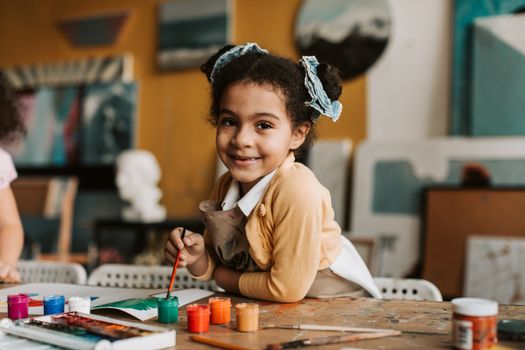
Unleash Creativity: Essential Art Supplies for Kids
art supplies for kids

Unleash Creativity: Essential Art Supplies for Kids

Ignite your child's imagination and fine motor skills with safe, engaging, and age-appropriate art materials.

Explore Now

Key Takeaways

  • ✓ Art fosters cognitive development and problem-solving in children.
  • ✓ Age-appropriate art supplies ensure safety and encourage participation.
  • ✓ Process-oriented art experiences are more valuable than product-driven ones.
  • ✓ Investing in quality, non-toxic materials is crucial for young artists.

How It Works

1
Assess Age & Skill Level

Consider your child's developmental stage and artistic interests. This helps select materials that are both safe and appropriately challenging.

2
Prioritize Safety & Non-Toxicity

Always check for 'AP' or 'ACMI Certified Nontoxic' labels on products. This ensures the materials are safe, even if accidentally ingested or used improperly.

3
Start Simple & Expand

Begin with a few versatile basics like crayons, washable markers, and paper. Gradually introduce new mediums as your child's confidence and curiosity grow.

4
Create an Accessible Art Space

Designate a dedicated area for art where supplies are easily reachable and messes are manageable. This encourages independent exploration and creative flow.

The Transformative Power of Children's Art Materials

Art is more than just a pastime for children; it's a fundamental aspect of their holistic development. Engaging with art supplies for kids offers a myriad of benefits, from enhancing fine motor skills to fostering emotional expression and cognitive growth. When a child picks up a crayon or dips a brush into paint, they aren't just making marks on paper; they are exploring, experimenting, and communicating in a way that words often cannot capture. This hands-on engagement helps build crucial neural pathways, improving hand-eye coordination and dexterity, which are vital for future tasks like writing and self-care. Moreover, the decision-making involved in choosing colors, shapes, and textures strengthens problem-solving abilities and critical thinking. Understanding the developmental stages of art can help parents and educators provide the most beneficial materials and environments. Beyond physical and cognitive advantages, art serves as a powerful outlet for emotional expression. Children, especially younger ones, may not always have the vocabulary to articulate complex feelings. Through drawing, painting, and sculpting, they can process experiences, joys, frustrations, and fears in a safe and constructive manner. This creative release contributes significantly to their emotional well-being and self-esteem. When their creations are valued and admired, it reinforces a sense of accomplishment and encourages further exploration. Furthermore, collaborative art projects teach valuable social skills like sharing, cooperation, and respect for others' ideas. It's a non-competitive environment where every child's contribution is unique and celebrated. Investing in quality, age-appropriate art supplies for kids is not just buying toys; it's providing tools for growth, self-discovery, and a deeper understanding of the world around them. It lays a foundation for creativity that extends far beyond the art table, influencing their approach to learning and life.

Essential Non-Toxic Art Supplies for Young Artists

When selecting art supplies for kids, safety should always be the paramount concern. Young children often explore the world with their mouths, making non-toxic materials an absolute necessity. Look for products clearly labeled 'AP' (Approved Product) or 'ACMI Certified Nontoxic' by the Art & Creative Materials Institute, which indicates they have been evaluated by a toxicologist and deemed safe. Starting with a core collection of versatile and safe items will ensure a positive and enriching art experience. Washable crayons are a fantastic starting point for toddlers and preschoolers. They are easy to grip, produce vibrant colors, and their washability is a lifesaver for clothes and surfaces. Jumbo crayons are particularly good for developing fine motor skills as they encourage a proper grip. Washable markers are another staple. Broad-tip markers are excellent for younger children, allowing for bold strokes and easy coloring, while fine-tip markers can be introduced as their control improves. Again, the 'washable' aspect is non-negotiable for easy cleanup. For painting, tempera paints are ideal. They are water-based, opaque, and come in a wide range of colors. Look for tempera paints specifically formulated for children, as these are typically non-toxic and easily washable from skin and most fabrics. Pair these with chunky brushes that are easy for small hands to hold. Don't forget paper! Large sheets of butcher paper or drawing paper allow for expansive creations without feeling restricted. Construction paper adds texture and color variety for collages and cutting activities. Safety scissors, designed with blunt tips and plastic blades, are essential for developing cutting skills without risk. Finally, modeling clay or playdough provides a tactile experience, strengthening hand muscles and fostering three-dimensional thinking. Always opt for homemade playdough or store-bought versions that explicitly state they are non-toxic and allergen-friendly. These basic, non-toxic art supplies form the foundation for countless hours of creative exploration.

Age-Appropriate Choices: Matching Supplies to Development

Choosing the right art supplies for kids isn't a one-size-fits-all endeavor; it's about matching the materials to a child's developmental stage, ensuring they are both engaging and safe. For infants and young toddlers (6-18 months), sensory exploration is key. While direct art-making might be limited, introducing safe, edible 'paints' made from yogurt or pureed fruits, or providing large, soft fabric scraps for texture play, can be beneficial. Non-toxic chunky crayons or large chalk sticks can be introduced for supervised scribbling on large paper as they approach 18 months, focusing on the joy of making marks rather than a finished product. For toddlers (18 months - 3 years), large motor skills are developing rapidly. Jumbo washable crayons, broad-tip washable markers, and finger paints are excellent. The focus remains on sensory experience and exploration. Large sheets of paper taped to a table or easel encourage big, sweeping movements. Playdough is also fantastic for this age, developing hand strength and coordination. Exploring different art forms at this age can be incredibly exciting. Preschoolers (3-5 years) begin to develop more control and intentionality. They can handle regular washable crayons and markers, tempera paints with chunky brushes, and safety scissors. Construction paper, glue sticks, and a variety of collage materials (yarn, fabric scraps, natural elements) become exciting additions. This is also a great age to introduce simple clay or modeling material for sculpting. For early elementary children (6-8 years), their fine motor skills are much more refined. They can use colored pencils, watercolors, finer-tip markers, and more detailed craft supplies. Drawing books, stencil sets, and more complex paper crafts can be introduced. The ability to follow multi-step instructions also opens up possibilities for structured art projects alongside free exploration. As children mature, the range of suitable art supplies for kids expands significantly, allowing for more intricate projects and the exploration of diverse techniques. Always remember that the goal is to foster creativity and enjoyment, not perfection. The process of creation is far more valuable than the final outcome, regardless of age.

Tips for a Creative & Mess-Managed Art Space + Common Mistakes

Creating an inviting and functional art space is crucial for encouraging consistent creative engagement, while also managing the inevitable mess. Here are some invaluable tips: * **Designate a Zone:** Choose a specific area, whether it's a corner of a playroom, a dedicated table, or even a protected kitchen counter. Consistency helps children understand where art activities happen. * **Protect Surfaces:** Invest in a washable tablecloth, old shower curtain, or large plastic mat to protect floors and tables. This makes cleanup significantly easier and reduces anxiety about spills. * **Accessible Storage:** Use clear bins, open shelves, or rolling carts to store art supplies for kids within their reach. Labeling bins with pictures can help younger children put things away independently. Make sure frequently used items are easiest to grab. * **Provide Cleaning Supplies:** Keep a roll of paper towels, a damp cloth, and a small bucket of water nearby. Involving children in the cleanup process teaches responsibility and reinforces that messes are part of creation, but they also need to be managed. * **Display Their Work:** Dedicate a space (a bulletin board, magnetic fridge, or string with clothespins) to proudly display your child's creations. This validates their efforts and encourages further artistic endeavors. **Common Mistakes to Avoid:** * **Over-curating:** Don't dictate what or how they should create. Allow for free exploration and self-expression. The process is more important than the product. * **Using Non-Washable Materials:** Especially for younger children, non-washable paints or markers can lead to frustration for both parents and kids due to permanent stains. * **Lack of Supervision:** While encouraging independence, some level of supervision is always wise, especially with new materials or very young children, to ensure safety and prevent excessive waste. * **Comparing Artwork:** Never compare one child's art to another's. Every child's creative journey is unique, and comparisons can stifle creativity and self-esteem. * **Ignoring Safety Labels:** Always double-check for non-toxic certifications, particularly for items that might end up in a child's mouth.

Comparison

FeatureBest Option (Toddlers)Alternative 1 (Preschoolers)Alternative 2 (Early Elementary)
Primary Drawing ToolJumbo Washable CrayonsWashable Markers (Broad Tip)Colored Pencils
Paint TypeFinger Paint (Edible/Washable)Washable Tempera PaintWatercolor Paints
Modeling MaterialSoft PlaydoughAir Dry ClayPolymer Clay (Supervised)
Cutting ToolBlunt Safety ScissorsPlastic Safety ScissorsKids' Metal Scissors
Paper TypeLarge Butcher Paper RollsConstruction Paper AssortmentDrawing Pad/Sketchbook

What Readers Say

"These art supplies for kids transformed our afternoon routine! My 3-year-old now spends hours happily drawing and painting, and the washable aspect is a lifesaver for my kitchen table. Highly recommend for creative fun."

Sarah J. · Austin, TX

"We bought the recommended non-toxic paints and chunky brushes, and my 18-month-old absolutely loves them. It's so great to see her explore colors without me worrying about her putting things in her mouth."

Mark D. · Seattle, WA

"Since setting up an accessible art station with these kid-friendly supplies, my 6-year-old has completed three amazing 'masterpieces' and his fine motor skills have visibly improved. It's truly sparked his imagination!"

Emily R. · Denver, CO

"The variety of art supplies for kids here is excellent, though I wish there were more eco-friendly packaging options. Still, the quality and safety of the materials are top-notch, and my twins adore them."

David L. · Miami, FL

"As a former art teacher, I appreciate the emphasis on process over product. These supplies encourage genuine exploration and creativity, which is exactly what young artists need to thrive."

Jessica M. · Chicago, IL

Frequently Asked Questions

What are the most important art supplies for kids to start with?

For beginners, especially toddlers, focus on jumbo washable crayons, broad-tip washable markers, and washable tempera paints. Pair these with large sheets of paper and possibly some soft playdough. These basics are safe, easy to use, and allow for broad creative exploration without requiring fine motor precision.

How can I keep art time from being too messy?

To minimize mess, designate a specific art area, use protective coverings like old shower curtains or tablecloths, and keep cleaning supplies (paper towels, wet wipes) close at hand. Opt for washable art supplies, and involve children in the cleanup process to teach responsibility.

How do I choose age-appropriate art supplies for my child?

Consider your child's developmental stage. For toddlers, large, easy-to-grip items and sensory materials are best. Preschoolers can handle more variety, including safety scissors and tempera paints. Elementary-aged children can use finer tools like colored pencils and watercolors, with more complex craft supplies. Always prioritize non-toxic options.

Are expensive art supplies for kids really better?

Not necessarily. While some premium brands offer better pigment quality or durability, for most young children, affordable, non-toxic, and washable options are perfectly sufficient. The focus should be on providing materials that encourage exploration and creativity, rather than high-end professional tools.

What's the difference between washable and non-washable art supplies?

Washable art supplies are formulated to easily rinse off skin, clothing, and most surfaces with water and a little soap. Non-washable supplies contain permanent pigments or binders that can stain fabrics and porous surfaces. For kids, especially younger ones, always choose washable to save yourself a lot of cleanup effort and avoid ruined clothes.

Who should use art supplies for kids?

Art supplies for kids are ideal for any child from infancy through elementary school. They are specifically designed with safety, ease of use, and developmental benefits in mind. Parents, caregivers, and educators looking to foster creativity, fine motor skills, and emotional expression in young learners will find these supplies invaluable.

Are all 'non-toxic' art supplies truly safe for children?

While 'non-toxic' is a good indicator, always look for specific certifications like 'AP' (Approved Product) or 'ACMI Certified Nontoxic' from the Art & Creative Materials Institute. These labels confirm that a toxicologist has evaluated the product and deemed it safe for use, even if ingested in small amounts. Always supervise young children.

What new trends are emerging in art supplies for kids?

Emerging trends include more eco-friendly and sustainably sourced art materials, sensory-focused supplies (e.g., scented crayons, textured paints), and art kits that integrate STEM concepts. There's also a growing emphasis on art supplies that encourage outdoor creative play and connection with nature.

Empower your child's artistic journey today by choosing the right art supplies for kids. Ignite their imagination, develop essential skills, and create lasting memories through the joy of creation. Start building your child's creative toolkit and watch their world bloom with color and ingenuity.

Topics: art supplies for kidschildren's art materialskid-friendly art toolscreative play suppliestoddler art supplies
Leo List
Brampton weed
Adultwork