Discover the Best Art Museums in New York City

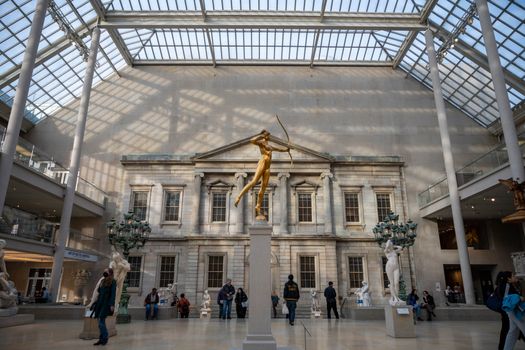
Elegant interior shot of The Met's sculpture gallery showcasing classical architecture and sculptures.Photo: Quang Vuong / Pexels

Discover the Best Art Museums in New York City

Dive into the unparalleled artistic tapestry of NYC, from ancient masterpieces to contemporary marvels.

Start Your Art Journey

Key Takeaways

  • ✓ New York City boasts over 100 art museums and galleries.
  • ✓ The Metropolitan Museum of Art is the largest art museum in the United States.
  • ✓ MoMA houses one of the world's most significant collections of modern and contemporary art.
  • ✓ Many NYC museums offer free or 'pay-what-you-wish' admission on specific days/times.

How It Works

1
Define Your Artistic Interest

Consider whether you prefer classical, modern, contemporary, or a specific cultural art form. This will help narrow down the vast selection of NYC museums.

2
Research Admission & Hours

Check each museum's website for current operating hours, admission fees, and any special exhibitions. Many require timed entry tickets, especially post-pandemic.

3
Plan Your Route & Time

New York City is vast. Group museums by neighborhood to optimize your travel time and ensure you have enough time to thoroughly explore each institution without rushing.

4
Utilize City Passes & Discounts

Investigate city passes like the New York Pass or CityPASS for potential savings. Also, look for student, senior, or member discounts to enhance your visit affordably.

The Iconic Guardians of Global Art: Metropolitan Museum of Art and MoMA

Elegant interior shot of The Met's sculpture gallery showcasing classical architecture and sculptures.Photo: Quang Vuong / Pexels
New York City's art scene is undeniably anchored by its giants, institutions that are not just museums but cultural landmarks. Foremost among these is The Metropolitan Museum of Art, affectionately known as 'The Met.' Spanning two million square feet on Fifth Avenue, The Met is the largest art museum in the Western Hemisphere and a repository of human creativity across 5,000 years of history. Its vast collection encompasses everything from ancient Egyptian temples and Roman sculptures to European masterpieces by Vermeer and Rembrandt, and American decorative arts. Navigating The Met requires strategy; attempting to see it all in one visit is an exercise in futility. Instead, focus on a few key departments that align with your interests, perhaps the stunning Impressionist galleries, the immersive Temple of Dendur, or the meticulously curated Costume Institute exhibitions. The Met offers an unparalleled journey through global art history, making it an essential stop for any art enthusiast. Its sheer scale and the quality of its holdings are simply breathtaking. From the intricate details of medieval armor to the vibrant brushstrokes of Van Gogh, every corner of The Met promises a discovery. Don't forget to visit the rooftop garden for stunning views of Central Park and the city skyline, often featuring contemporary sculpture installations. Beyond its permanent collections, The Met hosts a dynamic schedule of temporary exhibitions, often drawing international acclaim. The Met Cloisters, a branch of The Met located in Fort Tryon Park, offers a distinct experience, focusing on medieval European art, architecture, and gardens, providing a tranquil escape from the city bustle. This medieval marvel is a destination in itself, transporting visitors to another era. For more on diverse artistic expressions, explore global art movements. Shifting from antiquity to modernity, the Museum of Modern Art, or MoMA, stands as a beacon for 20th and 21st-century art. Located in Midtown Manhattan, MoMA houses one of the world's most influential collections of modern and contemporary art, including iconic works like Van Gogh's 'The Starry Night,' Picasso's 'Les Demoiselles d'Avignon,' and Warhol's 'Campbell's Soup Cans.' MoMA's impact on defining modern art is profound; its galleries trace the evolution of movements from Cubism and Surrealism to Abstract Expressionism and Pop Art. Beyond painting and sculpture, MoMA's collection extends to architecture and design, photography, film, and media, offering a comprehensive look at the creative output of the modern era. The museum's recent expansion and reinstallation have enhanced the visitor experience, providing more gallery space and new ways to engage with its masterpieces. Like The Met, MoMA is not a quick visit. Allocate ample time to wander through its six floors of galleries, absorbing the revolutionary ideas that shaped the modern world. Its Sculpture Garden offers a serene outdoor space amidst the urban landscape, often featuring notable works. MoMA also curates thought-provoking temporary exhibitions that challenge perceptions and introduce new artists and concepts. Both The Met and MoMA are cornerstones of the best art museums in New York City, offering distinct yet equally enriching experiences for art lovers.

Contemporary Visions and Unique Perspectives: Guggenheim, Whitney, and New Museum
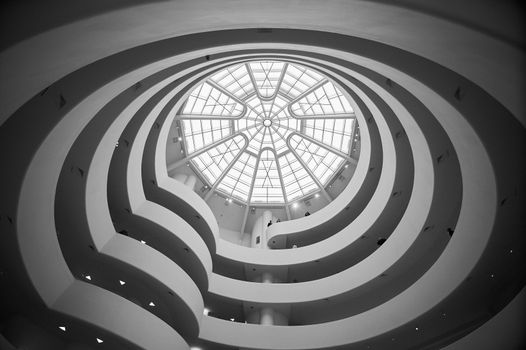
The iconic spiral interior of the Guggenheim Museum in New York City, showcasing modern architectural design.Photo: Alexander Heiß / Pexels
While The Met and MoMA offer broad historical sweeps, other institutions in New York City specialize in more focused, often contemporary, artistic narratives. The Solomon R. Guggenheim Museum, a masterpiece of modern architecture designed by Frank Lloyd Wright, offers an unparalleled viewing experience. Its iconic spiraling ramp allows visitors to ascend or descend past a continuous display of art, primarily focusing on Impressionist, Post-Impressionist, early Modern, and contemporary art. The building itself is as much an artwork as the collections it houses. The Guggenheim is particularly renowned for its collection of Kandinsky and other non-objective art pioneers, reflecting its founders' commitment to revolutionary artistic expressions. The unique flow of its galleries provides a different perspective on art viewing, encouraging a continuous journey rather than discrete room-by-room exploration. Beyond its permanent collection, the Guggenheim is celebrated for its cutting-edge special exhibitions, often pushing boundaries and introducing challenging new works to the public. Its striking presence on Museum Mile makes it instantly recognizable and a must-visit for those interested in the confluence of art and architecture. Further downtown, in the Meatpacking District, the Whitney Museum of American Art stands as a testament to American ingenuity and artistic spirit. Dedicated exclusively to American art of the 20th and 21st centuries, the Whitney provides a vital platform for contemporary artists and explores the evolving identity of American culture through art. Its new building, designed by Renzo Piano, is a work of art in itself, featuring expansive galleries, outdoor exhibition spaces, and terraces offering breathtaking views of the Hudson River and the city skyline. The Whitney Biennial, its flagship exhibition, is a crucial barometer of contemporary American art, showcasing emerging and established artists and often sparking national conversations. The museum's collection includes significant works by Edward Hopper, Georgia O'Keeffe, Jasper Johns, and numerous others who have shaped the American art landscape. Visiting the Whitney offers a deep dive into the diverse and dynamic narratives of American art, often reflecting social and political currents. Its commitment to living artists and its focus on the American experience make it a distinctive and invaluable part of NYC's museum offerings. Also contributing to the vibrant contemporary scene is the New Museum of Contemporary Art, located on the Lower East Side. As its name suggests, this museum is dedicated solely to contemporary art from around the world, often featuring artists who are under-recognized or whose work challenges conventional norms. The New Museum is known for its experimental and often provocative exhibitions, pushing the boundaries of what art can be. Its seven-story building, designed by SANAA, is an architectural marvel of stacked boxes, reflecting the innovative spirit of the art inside. Unlike larger institutions, the New Museum offers a more intimate and focused experience, allowing visitors to engage deeply with current artistic practices and ideas. It's a crucial venue for discovering emerging trends and voices in the global contemporary art scene, making it an essential stop for those seeking fresh perspectives and avant-garde expressions. These three museums collectively offer a dynamic exploration of contemporary and modern art, each with its unique curatorial vision and architectural statement, solidifying their place among the best art museums in New York City.

Hidden Gems and Specialized Collections: Frick Collection, Brooklyn Museum, and Studio Museum
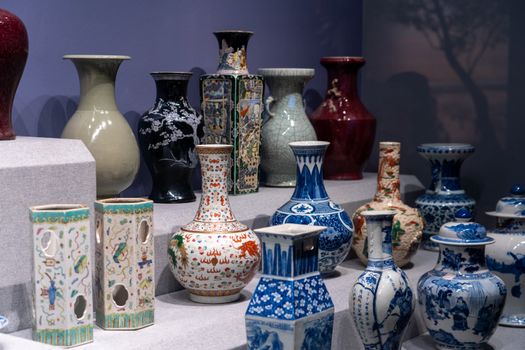
Collection of ceramic vases in various styles and colors on display indoors.Photo: Peter Xie / Pexels
Beyond the marquee names, New York City harbors a wealth of specialized art museums and hidden gems that offer equally enriching, albeit different, experiences. The Frick Collection, nestled in a former mansion on the Upper East Side, provides an intimate encounter with Old Master paintings, European sculpture, and decorative arts. The experience at the Frick is unique because the art is displayed within the opulent domestic setting for which it was originally acquired, allowing visitors to imagine life among these masterpieces. Works by artists such as Bellini, Goya, El Greco, and Fragonard are presented in exquisitely furnished rooms, complete with period furniture and intricate details. The serene garden and central courtyard add to the museum's charm, making it a peaceful oasis in the bustling city. The Frick is currently undergoing a renovation project, temporarily relocating its collection to Frick Madison, where it is presented in a more minimalist, modernist setting, offering a fresh perspective on these timeless works. This temporary relocation provides a unique opportunity to view these masterpieces in a different context, highlighting their intrinsic beauty. For lovers of classical art and a more personal museum experience, the Frick Collection is an absolute must-visit, offering a glimpse into a bygone era of art collecting. Explore its rich history and discover why it's considered one of the most prestigious art collections in the world. Venturing across the East River, the Brooklyn Museum stands as one of the oldest and largest art museums in the United States, offering a vast and diverse collection that spans cultures and centuries. While often overshadowed by its Manhattan counterparts, the Brooklyn Museum boasts an impressive array of art, from ancient Egyptian artifacts – one of the most significant collections outside of Egypt – to African art, Oceanic art, and American art. Its Grand Army Plaza location makes it a prominent cultural institution in Brooklyn, serving its diverse community with innovative exhibitions and public programs. The museum is particularly celebrated for its Elizabeth A. Sackler Center for Feminist Art, which houses Judy Chicago's iconic 'The Dinner Party.' This focus on inclusivity and diverse narratives sets the Brooklyn Museum apart, making it a vital voice in the city's art landscape. Its sheer breadth ensures there's something to captivate every visitor, from intricate historical pieces to challenging contemporary installations. The museum's commitment to community engagement and its expansive collections make it a cornerstone of Brooklyn's cultural identity. Finally, for a deep dive into art by people of African descent, The Studio Museum in Harlem is an indispensable institution. Though currently undergoing a major renovation with a new building designed by David Adjaye, its spirit of showcasing and nurturing artists of African descent remains vibrant through off-site programs and partnerships. Historically, the Studio Museum has been a crucial platform for emerging and established Black artists, playing a pivotal role in shaping the understanding and appreciation of Black art globally. Its collection spans from the 19th century to the present, encompassing painting, sculpture, photography, and mixed media. Even during its construction phase, the museum's influence and programming continue to enrich the cultural fabric of New York City, demonstrating its enduring commitment to its mission. These specialized museums prove that the best art museums in New York City are not just about scale but also about depth, focus, and cultural significance, offering rich and varied experiences for every type of art enthusiast.

Maximizing Your NYC Art Museum Experience: Tips and Common Mistakes
A woman with a bag walks through a dimly-lit art exhibition corridor.Photo: Sami TÜRK / Pexels
Visiting New York City's art museums can be an overwhelming yet incredibly rewarding experience. To ensure you make the most of your cultural journey, here are some essential tips and common mistakes to avoid: **Tips for an Optimal Visit:** * **Prioritize and Plan:** NYC museums are vast. Don't try to see everything in one go. Pick 2-3 must-see sections or exhibitions per museum and focus on those. Use museum websites to map out your visit beforehand. * **Go Early or Late:** Crowds can significantly impact your experience. Arriving right when doors open or an hour or two before closing often means fewer people and a more peaceful viewing environment. Weekdays are generally less crowded than weekends. * **Check for Free/Discounted Days:** Many museums offer free admission or 'pay-what-you-wish' options on specific evenings or days. For instance, MoMA sometimes offers free admission on Fridays, and the Guggenheim has a 'pay-what-you-wish' on Saturday evenings. Research these opportunities to save money. * **Wear Comfortable Shoes:** You'll be doing a lot of walking and standing. Comfortable footwear is non-negotiable for an enjoyable museum visit. * **Utilize Audio Guides:** Many museums offer excellent audio guides that provide deeper insights into the artworks and the artists. They can transform a passive viewing into an engaging learning experience. * **Take Breaks:** Don't underestimate museum fatigue. Plan for coffee breaks, lunch, or simply a sit-down in a quiet area to recharge. Many museums have cafes or outdoor spaces. * **Embrace the Gift Shop (Wisely):** Museum gift shops often have unique and high-quality items related to art and culture. They can be great for souvenirs, but set a budget to avoid overspending. **Common Mistakes to Avoid:** * **Over-scheduling:** Trying to squeeze too many museums into one day is a recipe for exhaustion and burnout. You'll rush through exhibits and likely won't appreciate them fully. Aim for one major museum per day, or two smaller ones if they are close together. * **Ignoring Reservations:** Post-pandemic, many museums require timed-entry tickets, even for free days. Showing up without a reservation can lead to disappointment and wasted time. Always check the museum's website. * **Not Checking for Special Exhibitions:** While permanent collections are fantastic, special exhibitions often feature unique works or explore specific themes that might align perfectly with your interests. These often require separate, additional tickets. * **Forgetting Hydration and Snacks:** While most museums have cafes, bringing a water bottle and a small snack can save you money and keep your energy levels up, especially if you plan to spend several hours inside. * **Relying Solely on GPS for Navigation Inside:** Large museums can be labyrinthine. Grab a physical map at the entrance or download the museum's app to help you navigate efficiently and find specific artworks or departments. * **Being Too Serious:** While art appreciation can be profound, remember to enjoy the experience. Engage with the art, discuss it with your companions, and let curiosity guide you. The best art museums in New York City are designed to inspire and delight.

Comparison

FeatureThe MetMoMAGuggenheimWhitney
Primary FocusGlobal Art History (5,000 years)Modern & Contemporary ArtModern Art, Architecture20th & 21st Century American Art
Iconic BuildingGrand Beaux-ArtsRenovated ModernistFrank Lloyd Wright SpiralRenzo Piano Industrial Chic
Collection SizeVast (2 million+ objects)Large (200,000+ objects)Medium (7,000+ objects)Medium (25,000+ objects)
Admission Price (Adult)$30$25$30$30
Free/Discounted EntryNY State Residents 'Pay What You Wish'Free Fridays (select times)Sat evenings 'Pay What You Wish'Fri evenings 'Pay What You Wish'
Outdoor SpaceRooftop GardenSculpture GardenNo dedicated outdoor artOutdoor Terraces & Art
Typical Visit Time3-5+ hours2-4 hours1.5-3 hours2-3 hours

What Our Readers Say

5 ★★★★★

"The Met is simply breathtaking. I spent an entire day there and still felt like I only scratched the surface. The Egyptian collection and the European paintings were truly unforgettable."

5 ★★★★★

"MoMA exceeded all my expectations. Seeing 'The Starry Night' in person was a spiritual experience. The flow of the galleries after the renovation is fantastic, making it easy to absorb so much art."

5 ★★★★★

"The Guggenheim's architecture alone is worth the visit. Walking that spiral ramp, surrounded by incredible art, felt like an art piece in itself. Highly recommend for a unique perspective."

4 ★★★★☆

"The Whitney offers a powerful look at American art. While some of the contemporary pieces were a bit challenging for my taste, the views from the terraces and the overall presentation were excellent."

5 ★★★★★

"As a local, I adore the Frick Collection. It's a serene escape and a beautiful way to experience Old Masters in a domestic setting. The current Frick Madison location offers a fresh, intimate viewing."

Frequently Asked Questions

What is the single 'must-see' art museum in New York City?
While highly subjective, The Metropolitan Museum of Art (The Met) is often considered the single must-see due to its unparalleled size, scope, and diverse collection spanning 5,000 years of global art history. It offers something for every artistic taste.
Are there any free art museums in NYC?
While truly free museums are rare, many institutions offer 'pay-what-you-wish' admission for specific groups (like NY state residents at The Met) or during certain hours/days (e.g., Guggenheim on Saturday evenings, MoMA on select Fridays). Always check their official websites for current policies.
How do I best plan my time when visiting multiple art museums in NYC?
To plan your time effectively, group museums by neighborhood (e.g., Museum Mile for The Met, Guggenheim, Neue Galerie), prioritize 1-2 major museums per day, and focus on specific wings or exhibitions within each. Book timed-entry tickets in advance and factor in travel time between locations.
Is it worth buying a New York CityPASS or similar pass for museum visits?
City passes can offer significant savings if you plan to visit multiple participating attractions, including museums, within a short timeframe. Calculate the individual admission costs for the specific museums you want to see versus the pass price to determine if it's cost-effective for your itinerary.
What's the difference between MoMA and the Guggenheim?
MoMA (Museum of Modern Art) focuses broadly on modern and contemporary art across all mediums, housed in a more traditional gallery layout. The Guggenheim features a more focused collection of modern art, often with an emphasis on non-objective works, presented within its iconic spiraling Frank Lloyd Wright-designed building, which is an artwork in itself.
Which NYC art museum is best for contemporary art lovers?
For dedicated contemporary art lovers, the Whitney Museum of American Art (focused on 20th/21st-century American art) and the New Museum (focused on global contemporary art and emerging artists) are excellent choices. MoMA also has a significant contemporary collection.
Are NYC art museums safe to visit?
Yes, NYC art museums are generally very safe. They have extensive security measures, including bag checks and surveillance. Adhere to museum rules, be aware of your surroundings, and follow any specific guidelines provided by staff for a pleasant and secure visit.
What are the emerging trends in NYC's art museum scene?
Emerging trends include greater emphasis on diverse voices and underrepresented artists, increased digital engagement and virtual experiences, climate change and social justice themes in exhibitions, and innovative architectural expansions or repurposing of spaces to enhance the visitor journey and community connection.

Embark on an unforgettable cultural adventure through the best art museums in New York City. Whether you're drawn to ancient civilizations, modern masterpieces, or cutting-edge contemporary works, NYC's diverse institutions promise to inspire and enlighten. Plan your visit today and immerse yourself in the vibrant heart of the art world.

Topics: best art museums in New York CityNYC art galleriesNew York cultural institutionsmust-see art exhibits NYCmuseums in Manhattan
Leo List
Brampton weed
Adultwork