
Unlocking Healing: The Benefits of Art Therapy
Engage your creativity to navigate challenges, express emotions, and foster profound personal growth through the power of art.
Start Your Creative JourneyKey Takeaways
- ✓ Art therapy is a recognized mental health profession utilizing creative processes to improve physical, mental, and emotional well-being.
- ✓ It does not require artistic talent; the focus is on the process of creation, not the final product.
- ✓ Art therapy is effective for individuals of all ages and addresses a wide range of issues, from trauma to stress reduction.
- ✓ It provides a non-verbal outlet for expression, which can be particularly helpful for those struggling to articulate feelings verbally.
How It Works
A qualified art therapist will assess your unique situation, goals, and emotional state to tailor a personalized therapeutic approach. This initial phase establishes trust and clarifies the path forward.
Using various art materials like paint, clay, or collage, you'll be guided through exercises designed to explore thoughts, feelings, and memories. The act of creation itself becomes a powerful tool for self-discovery.
After creating, you'll discuss your artwork with the therapist, interpreting its meaning and connecting it to your experiences. This reflection helps to gain insights, identify patterns, and understand underlying emotions.
The insights gained are then applied to daily life, fostering new coping mechanisms, improving communication, and promoting overall well-being. Art therapy equips you with tools for continued personal growth.
Exploring the Core Benefits of Art Therapy for Mental Health
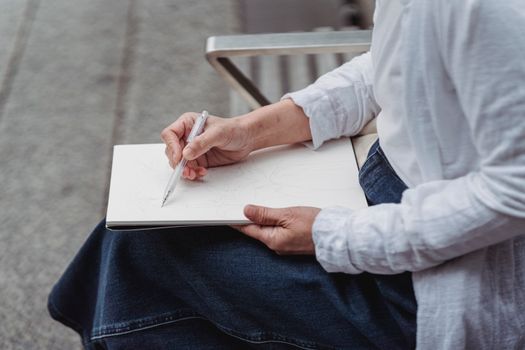 Photo: Greta Hoffman / Pexels
Moreover, art therapy fosters a sense of control and empowerment. In situations where individuals may feel powerless, the ability to choose colors, materials, and subjects, and to shape them into a desired outcome, can be incredibly therapeutic. This creative autonomy can extend beyond the art-making session, helping individuals to feel more capable and in control in other areas of their lives. It's not about creating a masterpiece; it's about the journey of creation and what unfolds during that process. The focus is entirely on the individual's experience, making it a deeply personal and tailored form of healing. The sensory engagement involved in art-making—the feel of clay, the smell of paint, the sound of charcoal on paper—also contributes to its therapeutic power, grounding individuals in the present moment and offering a respite from intrusive thoughts or overwhelming emotions. This mindful engagement can reduce stress, improve focus, and promote a sense of calm. The therapeutic relationship with a qualified art therapist is also crucial, providing a safe and non-judgmental space for exploration and growth. They are trained to interpret artistic expressions and facilitate discussions that lead to deeper self-awareness and healing. Understanding the broader landscape of therapeutic arts can further illuminate the diverse ways creativity contributes to well-being. This collaborative process ensures that the artistic journey is not just a creative endeavor but a profound therapeutic one, yielding lasting benefits for mental and emotional health. The tangible nature of art also provides a record of progress, allowing individuals to visually track their journey and acknowledge their growth over time, which can be a powerful motivator and source of pride.
Enhancing Emotional Regulation and Self-Expression Through Creative Outlets
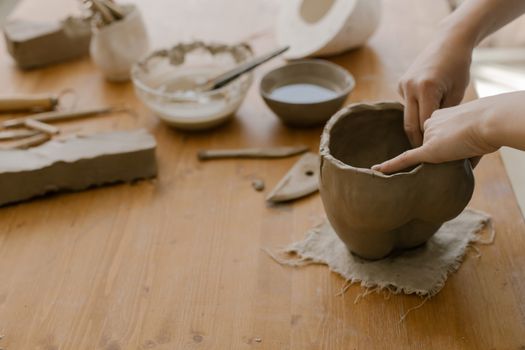 Photo: cottonbro studio / Pexels
Moreover, the process of creating art itself can be a form of emotional regulation. Engaging in a creative activity requires focus and attention, pulling individuals away from rumination or distressing thoughts. The rhythmic motion of painting, sculpting, or drawing can be meditative, inducing a state of calm and reducing physiological arousal. This is particularly beneficial for individuals experiencing high levels of stress or anxiety. It offers a constructive way to channel intense emotions, transforming potentially destructive impulses into creative energy. As individuals develop a greater capacity for self-expression through art, they also gain a better understanding of their emotional triggers and responses. This heightened emotional intelligence empowers them to regulate their emotions more effectively in daily life, leading to improved coping mechanisms and healthier interpersonal relationships. The freedom inherent in artistic creation also encourages experimentation and risk-taking, which can translate into a greater willingness to explore new behaviors and solutions in real-world situations. This adaptive flexibility is a cornerstone of emotional resilience, allowing individuals to navigate life's inevitable challenges with greater ease and confidence. The tangible nature of the artwork also serves as a visual record of emotional journeys and personal growth, offering a powerful reminder of progress and resilience.
Fostering Personal Growth, Stress Reduction, and Cognitive Benefits
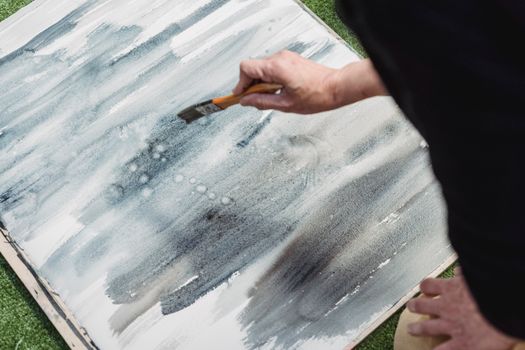 Photo: Greta Hoffman / Pexels
Stress reduction is another cornerstone benefit. In today's fast-paced world, chronic stress is a prevalent issue affecting millions. Art therapy offers a powerful antidote by providing a mindful, engaging activity that diverts attention from stressors. The focus required for art-making encourages a meditative state, lowering heart rate, blood pressure, and cortisol levels. It's a form of active meditation that allows individuals to be fully present, disconnecting from worries about the past or future. The tactile nature of working with art materials can also be incredibly soothing and grounding, providing a sensory experience that calms the nervous system. Furthermore, art therapy has been shown to improve cognitive functions, including attention span, memory, and spatial reasoning. The intricate processes involved in translating thoughts and emotions into visual forms stimulate various parts of the brain, enhancing neural pathways and cognitive flexibility. This can be particularly beneficial for individuals with cognitive impairments or those seeking to maintain mental acuity. The exploration of different artistic mediums can also tap into various cognitive skills, offering a holistic brain workout. By engaging in art therapy, individuals not only find an outlet for their emotions but also a pathway to enhanced mental clarity, reduced stress, and a deeper understanding of their own potential for growth and resilience. The tangible outcomes of art, even if abstract, provide a sense of completion and can serve as visual reminders of personal breakthroughs and progress.
Practical Tips for Integrating Art into Your Wellness Routine
 Photo: Vlada Karpovich / Pexels
Comparison
| Feature | Art Therapy | Traditional Talk Therapy | Mindfulness Meditation |
|---|---|---|---|
| Expression Method | Non-verbal, visual, tactile | Verbal | Internal, sensory awareness |
| Focus | Process of creation & reflection | Verbal processing & insight | Present moment awareness |
| Skill Required | None (process-oriented) | Verbal articulation | Focus & observation |
| Tangible Outcome | Artwork, visual record of progress | Verbal insights, notes | Enhanced awareness |
| Accessibility for Trauma | ✓ (non-threatening) | Can be challenging initially | ✓ (gentle approach) |
| Cognitive Engagement | High (problem-solving, imagination) | High (analytical, reflective) | Moderate (attentional focus) |
| Emotional Release | ✓ (cathartic through creation) | ✓ (through verbal sharing) | ✓ (through acceptance of feelings) |
What Readers Say
"Art therapy helped me process grief in a way words never could. I was able to paint my feelings, and seeing them on canvas made them feel less overwhelming and more understandable. It was a truly transformative experience."
Sarah J. · Austin, TX"As someone who struggles with anxiety, the creative outlet of art therapy has been a lifesaver. It gives me a productive way to channel my restless energy and provides a sense of calm I rarely find elsewhere. My therapist helps me interpret my pieces, which often reveals surprising insights."
Mark D. · Seattle, WA"After a traumatic event, I found it impossible to talk about what happened. Art therapy offered a safe, non-verbal space to express my emotions. Within months, I started feeling a significant reduction in my flashbacks and was able to re-engage with life more fully."
Emily R. · Miami, FL"I was skeptical at first, thinking I needed to be an artist. But my therapist quickly dispelled that myth. While I'm still not a painter, the simple act of drawing and coloring has helped me manage my stress much better. It's a surprisingly effective tool for introspection."
David L. · Denver, CO"For my son, who has autism, art therapy has opened up new avenues of communication. He can express feelings and tell stories through his drawings that he struggles to vocalize. It's been incredible to witness his growth and connection through art."
Jessica M. · Boston, MAFrequently Asked Questions
What exactly are the benefits of art therapy?
The benefits of art therapy are vast and multifaceted, encompassing improved emotional regulation, enhanced self-expression, reduced stress and anxiety, increased self-esteem, and cognitive benefits like problem-solving. It provides a non-verbal outlet for complex emotions, making it particularly effective for individuals who find verbal communication challenging or for processing trauma.
Do I need to be artistic or talented to benefit from art therapy?
Absolutely not. One of the most common misconceptions about art therapy is that artistic talent is required. The focus in art therapy is entirely on the process of creation and self-exploration, not on producing aesthetically pleasing artwork. All skill levels are welcome, and the therapist's role is to facilitate expression, not judge artistic merit.
How do I find a qualified art therapist?
To find a qualified art therapist, look for individuals certified by the American Art Therapy Association (AATA) or a similar professional body in your region. You can search their directories or consult with mental health professionals for referrals. Ensure they have proper credentials and experience relevant to your specific needs.
Is art therapy expensive, and is it covered by insurance?
The cost of art therapy can vary depending on the therapist's location, experience, and the type of session (individual or group). Some insurance plans do cover art therapy, especially if it's provided by a licensed mental health professional. It's best to check with your insurance provider directly and inquire with potential therapists about their fees and insurance acceptance.
How does art therapy compare to traditional talk therapy?
Art therapy complements traditional talk therapy by offering a non-verbal, experiential approach. While talk therapy relies on verbal processing, art therapy uses creative expression to access and process emotions, often reaching deeper levels of insight that words alone might not. They can be used independently or in conjunction for a holistic therapeutic experience.
Who can benefit most from the benefits of art therapy?
Art therapy is beneficial for a wide range of individuals, including children, adolescents, and adults. It's particularly effective for those dealing with trauma, anxiety, depression, grief, chronic illness, substance abuse, and individuals with communication difficulties or neurodevelopmental disorders. Anyone seeking a creative and introspective path to healing can benefit.
Are there any risks associated with art therapy?
When conducted by a qualified and ethical art therapist, the risks associated with art therapy are minimal. Sometimes, expressing deep-seated emotions can be intense, but a trained therapist will provide a safe and supportive environment to process these feelings. It's crucial to ensure your therapist is credentialed to mitigate any potential concerns.
What are the emerging trends in the field of art therapy?
Emerging trends in art therapy include the integration of digital art tools, increased focus on neurodiversity-affirming practices, trauma-informed care approaches, and community-based art therapy programs. There's also a growing emphasis on research to further validate its efficacy across diverse populations and conditions, expanding its reach and recognition in mainstream healthcare.
Embrace the transformative power of creativity. Exploring the benefits of art therapy can unlock profound healing, foster self-discovery, and equip you with unique tools for emotional well-being. Take the first step towards a more expressive and balanced life today.