Unlock Potential: Benefits of Art Education for Children
benefits of art education for children

Unlock Potential: Benefits of Art Education for Children

Explore how engaging in art cultivates essential skills and enriches the lives of young learners, preparing them for a dynamic future.

Discover Art's Impact

Key Takeaways

  • ✓ Art education significantly boosts problem-solving abilities in children.
  • ✓ It enhances fine motor skills and hand-eye coordination from an early age.
  • ✓ Engagement in art fosters self-expression and emotional regulation.
  • ✓ Studies show a correlation between art education and improved academic performance in other subjects.

How It Works

1
Creative Exploration

Children are provided with various art materials and prompts, encouraging them to experiment without fear of judgment. This open-ended approach sparks imagination and divergent thinking.

2
Skill Development

Through guided activities, kids learn fundamental artistic techniques like drawing, painting, sculpting, and color theory. This builds foundational skills while allowing for individual interpretation.

3
Problem-Solving & Critical Thinking

Art projects often present challenges that require children to think creatively to find solutions, such as how to represent a feeling or construct a stable sculpture. This strengthens their analytical and innovative capacities.

4
Self-Expression & Communication

Art provides a non-verbal outlet for children to express their thoughts, feelings, and perspectives, especially for those who struggle with verbal communication. It builds confidence and understanding of self and others.

Cultivating Creativity and Imagination through Artistic Expression
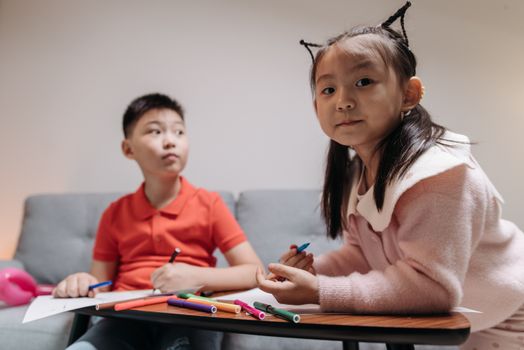
Two Asian children drawing with colored pens indoors, showcasing creativity and sibling bonding. Photo: Pavel Danilyuk / Pexels
In an increasingly standardized world, the cultivation of creativity and imagination stands as a cornerstone of future success, and nowhere is this more profoundly nurtured than through art education for children. From the moment a child first grips a crayon or molds a piece of clay, they embark on a journey of discovery that transcends mere technical skill. Art provides a unique playground for the mind, allowing children to visualize, invent, and bring abstract ideas into tangible form. Unlike subjects with rigid answers, art embraces open-ended exploration, encouraging children to think outside the box and develop original solutions. This process of ideation and execution is critical for developing divergent thinking, a skill highly valued in all aspects of life, from scientific innovation to entrepreneurial ventures. When children are given the freedom to create, they learn that there isn't just one 'right' way to do things; instead, there are countless possibilities waiting to be explored. This fosters a sense of wonder and curiosity that fuels lifelong learning. They learn to question, to experiment, and to see the world from multiple perspectives, which are vital components of a resilient and adaptable mindset. Furthermore, art acts as a powerful catalyst for imagination. Children are naturally imaginative, but art provides the tools and context to harness and expand this innate ability. Whether they are drawing fantastical creatures, designing futuristic cities, or painting dreamscapes, they are actively engaging their imaginative faculties. This continuous exercise strengthens their capacity for visualization, which is essential not only for artistic endeavors but also for problem-solving in mathematics, understanding complex narratives in literature, and even strategic planning in daily life. The act of transforming an internal vision into an external reality builds a powerful connection between thought and action. It teaches them that their ideas have value and that they possess the agency to manifest those ideas. This empowerment is a significant benefit of arts education, contributing to a child's overall sense of self-efficacy and confidence. The freedom to imagine and create without strict boundaries helps children develop a unique voice and a personal aesthetic, which are crucial for self-identity formation. By engaging deeply with artistic processes, children not only learn to make art but also learn to think like artists – observing details, connecting seemingly disparate elements, and expressing complex emotions and narratives through non-verbal means. This foundational imaginative capability serves as a launching pad for innovation across all disciplines.

Enhancing Cognitive Development and Critical Thinking Skills
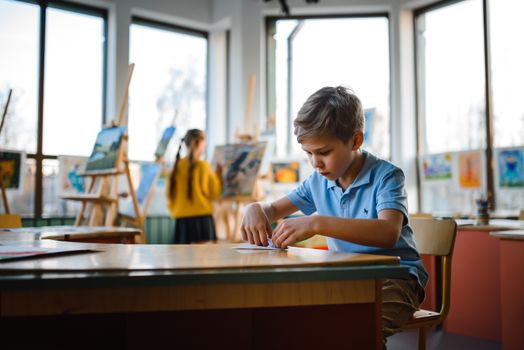
Kids participating in creative art activities in a bright classroom. Photo: Anastasia Shuraeva / Pexels
Beyond the realm of pure imagination, art education for children plays a pivotal role in enhancing cognitive development and sharpening critical thinking skills. Many perceive art as solely an emotional or aesthetic pursuit, but it is, in fact, a rigorous cognitive exercise. When a child decides what colors to use, how to arrange elements on a page, or what materials are best suited for a particular sculpture, they are engaging in complex decision-making processes. They are analyzing, evaluating, and synthesizing information, often unconsciously. For instance, understanding perspective in drawing requires spatial reasoning, while mixing colors to achieve a specific hue involves an understanding of cause and effect and basic chemistry. These are not trivial tasks; they are foundational cognitive challenges that strengthen neural pathways and improve overall brain function. The process of creating art often involves confronting and overcoming obstacles. A child might struggle to depict a certain object accurately or find that their initial idea isn't translating well onto the canvas. These moments of challenge are invaluable learning opportunities. They force the child to pause, assess the situation, identify the problem, and then strategize potential solutions. This iterative process of trial and error, reflection, and adjustment is a direct parallel to the scientific method and is a core component of critical thinking. Moreover, art education introduces children to abstract concepts and symbols, which are vital for higher-order thinking. Understanding that a line can represent movement, a color can evoke an emotion, or a shape can symbolize an idea, helps children develop abstract reasoning capabilities. This ability to work with symbols and abstractions is fundamental to understanding mathematics, language, and complex philosophical concepts later in life. Art also encourages observational skills. To draw or paint something realistically, a child must first learn to truly 'see' it – noticing details, textures, light, and shadow that they might otherwise overlook. This heightened observation translates into improved attention to detail in other academic areas and in daily life. Furthermore, discussing art, whether their own or others', requires children to articulate their thoughts, justify their choices, and interpret meaning. This verbalization of visual experiences strengthens language development and analytical communication. By constantly engaging with these cognitive demands, children not only become more adept artists but also develop a more robust and agile intellect, better equipped to tackle academic challenges and real-world problems with ingenuity and confidence. The multi-sensory and multi-modal nature of art learning ensures that various parts of the brain are activated and developed simultaneously, leading to comprehensive cognitive growth.

Fostering Emotional Intelligence and Social Development
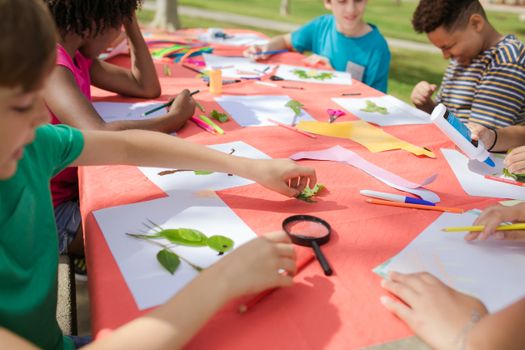
Kids engaging in fun arts and crafts, using leaves and paper outside at a colorful table. Photo: RDNE Stock project / Pexels
The impact of art education extends significantly into the realm of emotional intelligence and social development, offering children invaluable tools for understanding themselves and interacting with the world around them. Art provides a safe and expressive outlet for emotions that children may not yet have the vocabulary to articulate verbally. Whether it's the vibrant chaos of an angry scribble or the soft, soothing tones of a peaceful landscape, art allows children to externalize their inner emotional states. This act of expression is therapeutic, helping children to process complex feelings like joy, sadness, fear, and frustration in a healthy and constructive manner. By giving form to their emotions, children begin to recognize and understand these feelings within themselves, laying the groundwork for emotional literacy and self-regulation. This capacity to identify and manage one's own emotions is a cornerstone of emotional intelligence. Moreover, through art, children learn to empathize with others. When they view or discuss art created by peers or master artists, they are exposed to different perspectives, experiences, and emotional expressions. Trying to understand the story or emotion behind a piece of art encourages them to step into another's shoes, fostering empathy and broadening their worldview. This exposure to diverse forms of expression helps them to appreciate the richness of human experience and reduces judgmental attitudes. In group art settings, social development flourishes. Collaborative art projects, for example, require children to communicate, negotiate, share materials, and work towards a common goal. These activities are miniature lessons in teamwork, compromise, and mutual respect. Children learn to listen to others' ideas, offer constructive feedback, and resolve conflicts creatively. These interpersonal skills are not merely beneficial for the art class; they are transferable life skills essential for successful relationships and effective collaboration in school, future careers, and community life. The positive reinforcement and encouragement often found in art classes also contribute to a child's self-esteem and confidence. Successfully completing an art project, having their work displayed, or receiving positive feedback from an instructor or peer can be incredibly validating. This boosts their belief in their own capabilities and encourages them to take risks and persevere through challenges, knowing that their efforts are valued. Art also helps children develop a sense of identity and belonging. Being part of an artistic community, whether a class or a club, provides a space where they can connect with like-minded individuals, share their passions, and feel understood. This sense of community is vital for social well-being and helps children navigate the complexities of social interactions. The holistic development offered by engaging in the arts truly prepares children for a rich and emotionally intelligent life.

Integrating Art into Daily Life: Practical Tips for Parents and Educators
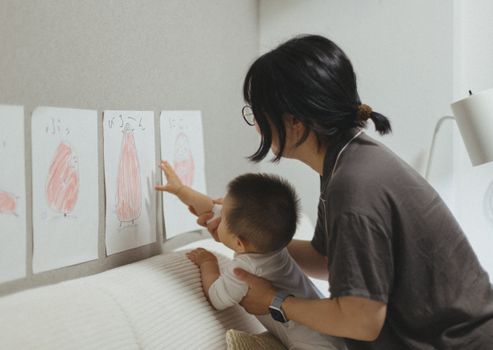
A mother and child engage in a learning activity, exploring art drawings in a cozy indoor setting. Photo: Gu Ko / Pexels
Integrating art into children's daily lives doesn't require a dedicated studio or expensive supplies; it's about fostering a mindset of creativity and providing accessible opportunities. For parents, a simple start is to designate a 'creation station' at home with basic materials like paper, crayons, markers, glue, and recycled items. Encourage open-ended exploration rather than dictating what to create. Ask questions like, "Tell me about your drawing," instead of "What is it?" to promote self-expression and narrative skills. Visit local museums, art galleries, or even community art fairs; exposure to diverse art forms broadens appreciation and inspires new ideas. Incorporate art into everyday tasks, such as decorating dinner plates with food art, making greeting cards for family, or creating imaginative designs for chores. Remember, the process is often more important than the product. For educators, integrating art means weaving it into the curriculum across all subjects. Instead of viewing art as a separate 'special,' consider how visual arts can enhance learning in science (drawing plant life cycles), history (creating historical dioramas), or literature (illustrating story characters). Collaborative murals or installations can foster teamwork and a sense of shared accomplishment. Use art as a tool for assessment, allowing children to demonstrate understanding through visual representations. Provide a variety of materials and techniques, from painting and sculpting to collage and digital art, to cater to different learning styles and interests. Invite local artists for workshops or virtual visits to expose children to real-world applications of art. Finally, celebrate every child's artistic efforts, regardless of perceived skill level, by displaying their work prominently and offering specific, encouraging feedback. This validates their creativity and builds confidence. **Tips for Parents:** * **Create an Accessible Art Space:** Dedicate a corner with readily available supplies. * **Prioritize Process Over Product:** Focus on the joy of creating, not just the finished piece. * **Explore Art Outdoors:** Use natural elements like leaves, sticks, and stones for art projects. * **Read Art Books Together:** Introduce famous artists and art concepts through engaging stories. * **Make Art a Family Activity:** Participate alongside your child to show its value. **Tips for Educators:** * **Cross-Curricular Integration:** Link art projects to other subjects to deepen understanding. * **Diverse Material Exploration:** Offer a wide range of mediums to spark interest. * **Collaborative Projects:** Foster teamwork and communication through group art. * **Showcase Student Work:** Display art prominently to celebrate effort and creativity. * **Invite Guest Artists:** Bring in outside perspectives and inspiration.

Comparison

FeatureArt-Enriched LearningTraditional Learning (Limited Art)Self-Taught Art (No Formal Ed)
Creativity DevelopmentHighly stimulated and guidedLimited or incidentalSelf-driven, potentially unstructured
Critical Thinking SkillsStrongly encouraged, diverse problem-solvingFocus on rote memorization, less open-endedDeveloped through personal challenge, lacks diverse input
Emotional ExpressionSafe, structured outlets and understandingMinimal direct focusHighly personal, may lack guidance
Fine Motor SkillsConsistently developed through various mediumsVariable, depending on other activitiesDependent on individual focus
Social CollaborationFrequent group projects and discussionsLess emphasis on creative teamworkLimited, primarily solitary
Academic Performance Link✓ (Improved across subjects)✗ (Less direct correlation)✓ (Individual drive may impact)

What Readers Say

"My daughter, usually quite shy, has blossomed in her art class. The benefits of art education for children are so clear; she expresses herself more freely and her confidence has soared. It's truly amazing to witness her transformation."

Sarah M. · Austin, TX

"We enrolled our son in a local art program, and the change has been incredible. He's not only more creative but also approaches his schoolwork with greater problem-solving skills, which I attribute directly to his art experiences."

David P. · Seattle, WA

"The art classes helped my son with his fine motor skills immensely, which then improved his handwriting. The benefits of art education for children are tangible, and it's given him a fantastic outlet for his energy."

Jessica L. · Miami, FL

"While I see the huge benefits of art education for children, I do wish there were more accessible programs in our area. The quality of instruction is fantastic, but enrollment can be challenging sometimes."

Mark T. · Denver, CO

"As a former teacher, I've always advocated for art in schools. Seeing my granddaughter thrive in her art program, developing both her imagination and critical thinking, reinforces my belief in the profound benefits of art education for children."

Emily R. · Boston, MA

Frequently Asked Questions

What age is best to start art education for children?

Art education can begin as early as toddlerhood with simple sensory experiences like finger painting or playdough. Formal art instruction can start around ages 4-6, focusing on exploration and basic concepts. The key is to provide age-appropriate materials and activities that encourage free expression and discovery, rather than strict adherence to rules.

Is art education only for 'artistic' children?

Absolutely not. While some children may show a natural aptitude, art education is beneficial for all children, regardless of their perceived artistic talent. It develops universal skills like problem-solving, creativity, fine motor control, and emotional expression, which are valuable for every child's holistic development, not just those destined for artistic careers.

How can I encourage art at home if I'm not artistic myself?

You don't need to be an artist! Focus on providing materials and opportunities. Set up an 'art station' with paper, crayons, markers, and recycled items. Encourage experimentation and ask open-ended questions about their creations instead of judging them. Celebrate their effort and imagination, and consider taking them to local museums or art events for inspiration.

What's the cost of art education, and is it worth the investment?

Costs vary widely, from free activities at home to paid classes or private lessons. Many public schools offer art programs, and community centers often have affordable options. Given the extensive benefits of art education for children – including enhanced cognitive skills, emotional intelligence, and creativity – it's widely considered a worthwhile investment in a child's overall development and future success.

How does art education compare to music education for child development?

Both art and music education offer profound and complementary benefits for child development. Music often focuses on auditory processing, rhythm, and pattern recognition, while visual arts emphasize spatial reasoning, fine motor skills, and creative expression. Both enhance cognitive function, emotional development, and self-discipline, and ideally, children should have access to both for comprehensive growth.

Who should prioritize providing art education for children?

Parents, educators, and community leaders should all prioritize providing art education for children. Parents can foster creativity at home, while educators should advocate for robust art programs in schools. Community organizations can offer accessible art classes and workshops. It's a collective responsibility to ensure children have opportunities to develop through the arts.

Are there any negative effects of art education?

When implemented thoughtfully, there are virtually no negative effects of art education. The only potential downsides might arise from overly prescriptive or critical instruction that stifles a child's natural creativity or self-expression. A positive art environment focuses on process, exploration, and individual voice, ensuring a beneficial experience for all.

What future trends might impact art education for children?

Future trends in art education for children will likely include increased integration of digital art tools and virtual reality experiences, fostering new forms of creative expression. There will also be a growing emphasis on interdisciplinary learning, connecting art with STEM fields (STEAM) to develop innovative problem-solvers. Personalized learning pathways and global art collaborations will also become more prevalent.

Embrace the transformative power of art education for children. By nurturing their creativity, enhancing their cognitive abilities, and fostering their emotional intelligence, we equip them with essential tools for a vibrant and successful future. Invest in art, invest in their potential.

Topics: benefits of art education for childrenchild development artcreative learning kidsart skills for youthemotional growth art
Leo List

DK Escorts LU Escorts AT Escorts SE Escorts FI Escorts CH Escorts DE Escorts HR Escorts IE Escorts GR Escorts CZ Escorts NO Escorts BE Escorts FR Escorts SI Escorts IL Escorts NL Escorts PL Escorts HU Escorts ES Escorts IT Escorts PT Escorts SK Escorts RO Escorts ZA Escorts UY Escorts US Escorts UK Escorts NZ Escorts AU Escorts
Brampton weed
Adultwork EstrelaBet Vai de Bet R7 Bet Betão Galera Bet Rainbet Bet9ja Shop SportyBet BetKing Sisal Loto Foot Hollywoodbets YesPlay Odibets RushBet Jugabet BetWarrior BetCity MSport betPawa Fortebet