✓ Art therapy provides a non-verbal outlet for complex emotions, often bypassing the need for words.
✓ Engaging in creative processes can significantly reduce cortisol levels, the body's primary stress hormone.
✓ It fosters mindfulness and presence, diverting attention from anxious thoughts to the creative task at hand.
✓ Art therapy builds self-esteem and self-awareness, empowering individuals to better understand and manage their anxiety triggers.
How It Works
1
Initial Consultation & Assessment
You'll meet with a certified art therapist to discuss your anxiety, personal history, and therapeutic goals. This helps tailor the art activities to your specific needs.
2
Creative Exploration & Expression
Using various art materials like paint, clay, or collage, you'll engage in guided or free-form creative tasks. The focus is on the process of creation, not artistic skill.
3
Reflection & Processing
After creating, you'll discuss your artwork with the therapist, exploring emotions, thoughts, and insights that emerged. This helps connect the creative experience to your anxiety.
4
Integration & Coping Strategies
The insights gained are then integrated into your daily life. You'll develop new coping mechanisms and a deeper understanding of your emotional landscape, empowering you to manage anxiety more effectively.
Understanding Anxiety and the Power of Non-Verbal Expression
Photo: www.kaboompics.com / Pexels
Anxiety, in its many forms, can be a profoundly isolating and debilitating experience. It manifests not just as racing thoughts and persistent worry, but also through physical symptoms like a pounding heart, shortness of breath, and muscle tension. For many, articulate verbalizing the depth and complexity of their anxious feelings can be incredibly challenging, if not impossible. Words often fall short, leaving individuals feeling unheard, misunderstood, and even more frustrated. This is precisely where the profound art therapy benefits for anxiety begin to shine, offering a unique and powerful avenue for expression that transcends the limitations of language.
Art therapy provides a safe, structured space where individuals can externalize their internal world without the pressure to find the 'right' words. Imagine trying to explain the swirling vortex of panic or the suffocating weight of dread using only spoken language. It’s an arduous task. However, when given a canvas and paints, or clay to mold, these intangible feelings can take on form, color, and texture. The act of creating becomes a dialogue between the inner self and the external world, mediated by the artwork itself. A client might paint jagged lines and dark colors to represent their inner turmoil, or sculpt a figure that embodies their sense of being trapped. These visual metaphors are not merely symbols; they are direct expressions of emotional states.
This non-verbal approach is particularly effective because anxiety often resides in the subconscious, intertwined with emotions and experiences that are difficult to consciously access or articulate. Art allows these buried feelings to surface in a less confrontational way. The creative process engages different parts of the brain than verbal processing, often bypassing the critical, analytical mind that can exacerbate anxiety. By focusing on the sensory experience of creating – the feel of the clay, the smell of the paint, the sound of the brush on paper – individuals are drawn into the present moment, offering a temporary reprieve from anxious rumination. This mindful engagement can be deeply grounding and calming, helping to regulate the nervous system. Furthermore, seeing one's anxiety externalized in an artwork can create a sense of distance from it, allowing for observation and analysis rather than being consumed by it. It’s like putting your anxiety on a table in front of you, rather than feeling it consume your entire being. This shift in perspective is a crucial step towards gaining control over anxious feelings. The process also builds confidence, as individuals discover their capacity to create and express, fostering a sense of agency over their internal experiences. For more insights into creative outlets, explore the power of artistic expression.
Ultimately, art therapy offers a bridge between the inexpressible and the understandable. It acknowledges that not all feelings can be neatly packaged into sentences, and that sometimes, a splash of color or a sculpted form speaks volumes more than any spoken word ever could. This fundamental principle underpins why art therapy is such a powerful tool in addressing the multifaceted challenges of anxiety, providing a pathway to understanding, healing, and emotional release that traditional talk therapy might not always reach.
The Neurobiological Impact: How Creativity Rewires Your Brain for Calm
The art therapy benefits for anxiety extend far beyond simple emotional release; they are deeply rooted in the neurobiology of the brain. Engaging in creative activities, particularly under the guidance of a trained art therapist, can actually instigate positive changes in brain function, helping to mitigate the physiological responses associated with anxiety. One of the most significant neurochemical impacts is the reduction of cortisol, often dubbed the 'stress hormone.' When we are anxious, our bodies release cortisol, leading to increased heart rate, elevated blood pressure, and heightened vigilance. Studies have shown that even short periods of creative activity, such as drawing or painting, can lead to a measurable decrease in cortisol levels, promoting a state of physiological calm.
Beyond cortisol reduction, art therapy also stimulates the release of endorphins, the body's natural mood elevators and pain relievers. This explains the sense of well-being and even euphoria some people experience during or after a creative session. Moreover, the focused nature of artistic creation can activate the parasympathetic nervous system, which is responsible for the 'rest and digest' response, counteracting the 'fight or flight' response triggered by anxiety. This shift helps to calm the body and mind, reducing physical tension and mental agitation. The rhythmic and repetitive actions often involved in art-making, such as sketching, knitting, or molding clay, can also have a meditative effect, further enhancing relaxation and reducing anxiety symptoms.
From a brain structure perspective, art therapy can foster increased connectivity between different brain regions. Anxiety often involves an overactive amygdala (the brain's fear center) and a less active prefrontal cortex (responsible for executive functions like planning and emotional regulation). Creative processes can help strengthen the neural pathways between these areas, allowing for better emotional control and more rational responses to stressful stimuli. When you create art, you engage both hemispheres of your brain: the logical, analytical left side for planning and technique, and the intuitive, emotional right side for creativity and expression. This holistic engagement can lead to more integrated brain function, which is crucial for managing complex emotional states like anxiety.
Furthermore, art therapy can improve brain plasticity, the brain's ability to reorganize itself by forming new neural connections. This means that engaging in creative activities can literally help the brain adapt and develop new ways of processing information and responding to stress. The process of problem-solving inherent in art-making – deciding on colors, compositions, or materials – also strengthens cognitive flexibility, a skill that can be directly applied to navigating anxious thoughts and finding alternative perspectives. By consistently engaging in these practices, individuals can gradually rewire their brains to be less reactive to anxiety triggers and more inclined towards states of calm and resilience. It's a powerful testament to how mindful creative engagement can be a potent tool for neurobiological healing and long-term emotional regulation.
Practical Application: Integrating Art Therapy into Your Anxiety Management Plan
Integrating art therapy into your anxiety management plan doesn't necessarily mean becoming a professional artist; it means embracing the process of creative expression as a tool for emotional regulation and self-discovery. The accessibility and versatility of art therapy make it a powerful complement to other therapeutic approaches, or even a standalone strategy for mild to moderate anxiety. One of the primary practical applications is using art as a form of mindfulness. When you are deeply engaged in an artistic activity, your focus shifts entirely to the present moment. The swirling worries about the past or future that fuel anxiety dissipate as you concentrate on the color you're mixing, the texture of the clay, or the stroke of your brush. This 'flow state' is incredibly therapeutic, offering a mental break from anxious rumination and providing a sense of calm and control.
Another practical benefit is the ability to externalize and confront anxious thoughts and feelings. Instead of keeping difficult emotions bottled up, art provides a safe container for them. You can draw your fears, paint your sadness, or sculpt your anger. Once these emotions are outside of you, embodied in a tangible form, they become less overwhelming and easier to examine. This externalization allows for a different kind of processing, where you can literally look at your anxiety from a new perspective. A therapist can then guide you in exploring what your artwork represents, helping you to understand the underlying causes and triggers of your anxiety. For instance, a repetitive pattern in a drawing might reveal a recurring anxious thought, or a chaotic collage could symbolize feelings of being overwhelmed.
Art therapy also provides a concrete way to practice emotional regulation skills. When you're feeling a surge of anxiety, instead of reacting impulsively, you can turn to an art activity. This provides a healthy distraction and a constructive outlet for intense emotions. For example, aggressive scribbling can release pent-up frustration, while gentle watercolor painting can induce a sense of tranquility. Over time, individuals learn to associate certain art forms with specific emotional states or coping mechanisms. Furthermore, the completion of an artwork, no matter how simple, can foster a sense of accomplishment and self-efficacy, which are vital for building resilience against anxiety. It proves to yourself that you are capable of creating something, of bringing order to chaos, and of expressing your inner world effectively. This boost in self-esteem can empower you to face other challenges with greater confidence. Consider exploring various creative outlets for self-care to broaden your repertoire.
Finally, art therapy can be a powerful tool for developing self-awareness. Through the creative process and subsequent reflection, you gain deeper insights into your thoughts, feelings, and behavioral patterns related to anxiety. You might discover recurring themes in your artwork that shed light on unresolved issues, or recognize how your emotional state influences your artistic choices. This enhanced self-understanding is critical for developing personalized strategies to manage anxiety more effectively in daily life, moving beyond symptomatic relief to addressing the root causes. It equips you with a powerful, accessible, and deeply personal method for navigating the complexities of your emotional landscape.
Avoiding Pitfalls and Maximizing Your Art Therapy Experience
While the art therapy benefits for anxiety are substantial, maximizing your experience and avoiding common pitfalls requires a thoughtful approach. One of the most significant mistakes people make is focusing too much on the 'art' aspect rather than the 'therapy.' It's crucial to remember that art therapy is not about creating masterpieces or demonstrating artistic skill. The goal is expression, exploration, and healing. If you find yourself getting caught up in perfectionism, comparing your work to others, or feeling discouraged by your perceived lack of talent, you're missing the point. A good art therapist will emphasize the process over the product, encouraging you to let go of judgment and embrace spontaneity. If these feelings arise, communicate them to your therapist; they are part of the therapeutic process.
Another common pitfall is expecting instant results. Anxiety is often deeply ingrained, and healing is a journey, not a destination. While you might experience immediate relief during or after a session, lasting change takes time, consistency, and dedication. Be patient with yourself and the process. Don't get discouraged if one session doesn't feel groundbreaking; sometimes the most profound shifts happen subtly over time. It’s also important to avoid self-diagnosing or attempting art therapy solely on your own if you're dealing with significant anxiety or mental health challenges. While engaging in personal creative activities can be beneficial, the therapeutic power of art therapy comes from the guidance and interpretation of a trained and certified art therapist. They provide a safe container, facilitate processing, and help you make meaningful connections that you might not uncover on your own.
Furthermore, not all art therapists are created equal, and finding the right fit is essential. Look for someone who is credentialed (e.g., ATR-BC in the US), has experience working with anxiety, and with whom you feel a sense of trust and rapport. Don't hesitate to interview a few therapists before committing. Another mistake is limiting yourself to one type of art material or activity. Art therapy encompasses a vast array of modalities – painting, drawing, sculpting, collage, photography, digital art, textiles, and more. Be open to experimenting with different materials and techniques, as each can evoke different feelings and facilitate various forms of expression. What works for one person might not work for another, and what works for you on one day might not work on another. Embracing variety keeps the process fresh and allows for deeper exploration.
Finally, it’s important to integrate insights gained in therapy into your daily life. The therapeutic value isn't confined to the session itself. Discuss with your therapist how you can apply lessons learned or coping mechanisms developed through art-making to real-world situations that trigger your anxiety. This might involve keeping a small sketchbook for mindful doodling during stressful moments, or using a particular color to symbolize calm. By actively applying these strategies, you empower yourself to take ownership of your mental well-being and transform the therapeutic insights into lasting behavioral changes, truly maximizing the art therapy benefits for anxiety.
Comparison
Feature
Art Therapy
Traditional Talk Therapy
Medication
Expression Method
Non-verbal, visual, tactile
Verbal, cognitive
Biochemical
Emotional Processing
Experiential, subconscious
Cognitive, analytical
Symptom management
Accessibility of Feelings
Bypasses verbal blocks
Requires verbalization
Indirect
Sense of Control
High (client-led creation)
Medium (discussion-led)
Low (passive intake)
Side Effects
None (positive only)
Emotional discomfort
Potential physical/mental side effects
Creativity Boost
✓
✗
✗
Mindfulness Component
✓
✗
✗
Cost (US average per session)
$75-$150
$100-$250
Varies with drug/insurance
What Readers Say
★★★★★
"Art therapy has been a revelation for my chronic anxiety. I used to struggle to put my overwhelming feelings into words, but with paint and canvas, I can finally express what's inside. It's incredibly freeing and has given me a sense of peace I haven't felt in years."
Sarah J. · Austin, TX
★★★★★
"As someone who overthinks everything, art therapy forces me into the present moment. The focus on creating, not perfection, has drastically reduced my daily stress levels. It's truly one of the best art therapy benefits for anxiety I've experienced."
Mark D. · Seattle, WA
★★★★★
"After struggling with panic attacks, my therapist suggested art therapy. I was skeptical, but learning to express my fear through abstract forms has given me a new way to cope. My panic attacks are less frequent and less intense now; I feel more in control."
Emily R. · Denver, CO
★★★★★
"I appreciate the non-judgmental space art therapy provides. While it didn't completely cure my anxiety overnight, it's given me valuable tools for self-expression and emotional processing that I didn't have before. It's a powerful complement to my other treatments."
David L. · Chicago, IL
★★★★★
"My teenage daughter was really struggling with social anxiety. Traditional therapy wasn't clicking, but art therapy allowed her to communicate without pressure. She's more confident, expressive, and her anxiety has noticeably decreased."
Jessica M. · Miami, FL
Frequently Asked Questions
What kind of art do you do in art therapy for anxiety?
Art therapy for anxiety involves a wide range of creative activities, not limited to drawing or painting. You might engage in sculpting with clay, creating collages, working with textiles, photography, mask-making, or even digital art. The choice of medium often depends on your comfort level, therapeutic goals, and what your therapist believes will best facilitate your expression and healing.
Do I need to be 'good' at art to benefit from art therapy for anxiety?
Absolutely not. One of the most common misconceptions about art therapy is that artistic skill is required. Art therapy focuses on the process of creation and self-expression, not on producing aesthetically pleasing results. The emphasis is on what you create and what it means to you, not on its artistic merit. Everyone can benefit, regardless of their artistic background or perceived ability.
How do I find a qualified art therapist for anxiety?
To find a qualified art therapist, look for credentials such as ATR (Registered Art Therapist) or ATR-BC (Board Certified Art Therapist) in the US, typically through the American Art Therapy Association (AATA) website. You can also ask for referrals from your doctor or mental health professional. It's recommended to interview a few therapists to ensure their approach aligns with your needs and you feel comfortable with them.
Is art therapy for anxiety covered by insurance?
Insurance coverage for art therapy can vary. Some insurance plans cover art therapy if it's provided by a licensed mental health professional who also happens to be an art therapist. It's essential to contact your insurance provider directly to inquire about their specific coverage for 'psychotherapy' or 'mental health services' and to verify if art therapy falls under their covered benefits. Some therapists may also offer sliding scale fees.
How does art therapy compare to mindfulness for anxiety?
Art therapy and mindfulness share common ground in their ability to bring focus to the present moment, but they differ in approach. Mindfulness often involves meditation or focused awareness exercises, while art therapy uses creative expression as the vehicle for present-moment engagement. Art therapy can inherently foster mindfulness through the sensory and immersive nature of creation, offering a more active and expressive form of present-moment awareness, particularly beneficial for those who struggle with traditional meditation.
Who should consider art therapy for anxiety?
Art therapy is an excellent option for individuals of all ages struggling with anxiety, especially those who find it difficult to verbalize their feelings, prefer a non-traditional approach, or want to explore their emotions through creative expression. It's also highly beneficial for people who feel 'stuck' in talk therapy, those experiencing trauma-related anxiety, or anyone seeking a new, empowering way to understand and manage their mental well-being.
Are there any risks associated with art therapy for anxiety?
When facilitated by a qualified and ethical art therapist, art therapy carries minimal risks. The primary 'risk' is that engaging with your emotions through art might bring up uncomfortable feelings or memories. However, a trained therapist is equipped to help you process these emotions in a safe and supportive environment, turning potential discomfort into opportunities for healing and growth. It's a controlled space for emotional exploration.
What's the future outlook for art therapy in anxiety treatment?
The future outlook for art therapy in anxiety treatment is very positive. As research increasingly highlights the neurobiological and psychological benefits of creative expression, art therapy is gaining wider recognition and integration into mainstream mental health care. Advances in digital art therapy, increased accessibility through telehealth, and a growing emphasis on holistic well-being suggest that art therapy will become an even more prominent and valued tool in managing anxiety and promoting overall mental health.
Ready to transform your anxiety into a pathway for creative expression and inner peace? Explore the profound art therapy benefits for anxiety and embark on a journey of self-discovery and emotional healing today.

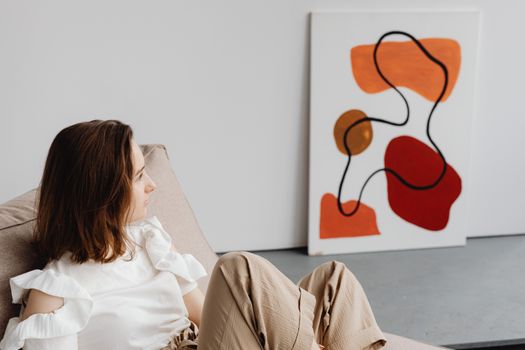 Photo: www.kaboompics.com / Pexels