✓ Art therapy is a recognized mental health profession that uses creative processes to improve physical, mental, and emotional well-being.
✓ Engaging in art can reduce cortisol levels, the body's primary stress hormone, leading to a calmer state.
✓ You don't need artistic talent to benefit from art therapy activities; the process is more important than the product.
✓ Creative expression provides a non-verbal outlet for difficult emotions, which can be particularly helpful for anxiety.
✓ Regular practice of art activities can build resilience and improve coping mechanisms for daily stressors.
How It Works
1
Choose Your Medium
Select an art material that appeals to you – it could be paint, clay, pencils, or even found objects. The key is to pick something that feels accessible and inviting.
2
Set an Intention
Before you begin, take a moment to acknowledge how you're feeling and what you hope to gain from the activity. This could be to relax, express an emotion, or simply to focus.
3
Engage in the Process
Allow yourself to immerse fully in the creative act, paying attention to colors, textures, and movements. Don't judge your work; simply experience the flow.
4
Reflect on Your Creation
Once finished, observe your artwork. What emotions does it evoke? What did you discover about yourself or your anxiety during the process? This reflection is a crucial part of the therapeutic benefit.
Understanding the Power of Creative Expression for Anxiety
Photo: Andrea Piacquadio / Pexels
Anxiety is a pervasive and often debilitating condition that affects millions of people across the United States. It manifests in various forms, from generalized worry and panic attacks to social anxiety and phobias, impacting daily life, relationships, and overall well-being. While traditional therapeutic approaches like cognitive-behavioral therapy (CBT) and medication are highly effective, a growing body of evidence supports the complementary role of art therapy. Art therapy activities for anxiety offer a unique, non-verbal pathway to process complex emotions, reduce stress, and foster a sense of calm and control. Unlike conventional talk therapy, which relies heavily on verbal articulation, art therapy allows individuals to communicate feelings and experiences that may be difficult to put into words. This can be particularly beneficial for those who feel overwhelmed by their anxiety or struggle to identify its root causes verbally. The act of creating, whether it's drawing, painting, sculpting, or collaging, engages different parts of the brain, promoting self-awareness and emotional regulation. When we engage in creative endeavors, our focus shifts from ruminating on anxious thoughts to the present moment, much like mindfulness meditation. This 'flow state' can provide a much-needed respite from the relentless cycle of worry, allowing the mind to quiet down and find a sense of peace. Moreover, the tactile nature of many art forms can be grounding, connecting us to our physical selves and distracting us from internal distress. The process isn't about producing a masterpiece; it's about the journey of expression and discovery. There's no right or wrong way to engage with art therapy, making it an accessible and non-intimidating option for anyone seeking relief from anxiety. A qualified art therapist can guide this process, helping individuals interpret their creations and gain insights into their emotional landscape. However, many simple art therapy activities for anxiety can be explored independently, offering immediate and accessible tools for self-care. These activities provide a safe container for emotional release, helping individuals externalize their anxieties and observe them from a new perspective. This externalization can lead to a sense of detachment from overwhelming feelings, making them feel more manageable. The very act of choosing colors, shapes, and textures becomes a form of decision-making and empowerment, subtly countering the feelings of helplessness that often accompany anxiety. Furthermore, completing an art piece, no matter how simple, can instill a sense of accomplishment and boost self-esteem, reinforcing positive coping mechanisms. The beauty of art therapy lies in its versatility and adaptability; it can be tailored to individual needs and preferences, making it a highly personalized approach to mental wellness. Whether you're dealing with chronic stress or acute anxiety, incorporating creative expression into your routine can be a powerful step towards greater emotional balance and resilience. For more on how creative arts can heal, explore the benefits of creative arts therapy. The journey begins with an open mind and a willingness to explore the rich inner world that art can reveal.
Top Art Therapy Activities for Immediate Anxiety Relief
Photo: Steve A Johnson / Pexels
When anxiety strikes, having readily available tools to regain composure is invaluable. Art therapy offers a wealth of simple yet profound activities that can provide immediate relief, helping to ground you in the present moment and shift your focus away from anxious thoughts. One of the most effective and accessible art therapy activities for anxiety is **mindful doodling or Zentangle**. This involves creating repetitive patterns and intricate designs, often within a defined space. The repetitive nature of the strokes, the focus on lines and shapes, and the absence of a 'right' or 'wrong' outcome allow the mind to enter a meditative state. It encourages present-moment awareness, reducing overthinking and promoting relaxation. You don't need any artistic skill; just a pen and paper. Focus on the movement of your hand, the feel of the pen on the paper, and the emerging patterns. Another powerful technique is **expressive painting with watercolors or acrylics**. Instead of trying to paint something specific, allow your emotions to guide your brushstrokes. Choose colors that represent how you feel – perhaps dark blues or grays for sadness, vibrant reds for anger, or soft pastels for peace. Don't worry about the outcome; the goal is to externalize your internal landscape. This process can be incredibly cathartic, allowing bottled-up emotions to be released onto the canvas. The fluidity of paint can also be very soothing and calming. For those who prefer a more tactile experience, **working with clay or playdough** can be incredibly grounding. The act of kneading, shaping, and molding provides sensory input that can help redirect focus from anxious thoughts. You can sculpt abstract forms that represent your feelings, or simply enjoy the sensation of the material in your hands. This activity can help release tension stored in the body and promote a sense of control. **Collage making** is another excellent art therapy activity for anxiety. Gather magazines, newspapers, photographs, and various textures. Tear or cut out images and words that resonate with your current feelings or aspirations. Arrange them on a piece of paper, creating a visual narrative of your inner world. This allows for symbolic expression and can help you visualize your anxieties, hopes, and desires in a non-threatening way. It can also be a powerful tool for self-discovery and problem-solving. Finally, **coloring books for adults** have gained immense popularity for a reason. They offer a structured yet creative outlet that can significantly reduce stress. The act of choosing colors and staying within lines provides a gentle focus, diverting attention from anxious thoughts without requiring complex decision-making. It's a low-pressure activity that can be done almost anywhere, offering a quick and accessible way to induce a state of calm. Remember, the key to all these activities is to engage without judgment, allowing the process of creation to be your guide to relaxation and emotional release. Experiment with different mediums and find what resonates most with your personal journey towards anxiety relief.
Long-Term Benefits and Integrating Art into Your Wellness Routine
Photo: cottonbro studio / Pexels
While art therapy activities for anxiety can offer immediate relief, their true power lies in their ability to foster long-term resilience and integrate into a sustainable wellness routine. Consistent engagement with creative expression can lead to profound shifts in how one perceives and manages anxiety. Over time, individuals often develop a deeper understanding of their emotional triggers and learn more effective coping mechanisms. One significant long-term benefit is the **enhancement of emotional regulation skills**. Through art, individuals learn to identify, explore, and process difficult emotions in a safe and constructive manner. Regularly translating internal states into external forms helps to build emotional vocabulary and self-awareness. This increased awareness allows for a more proactive approach to managing anxiety, rather than being reactive to its onset. By externalizing anxiety through art, it becomes something observable rather than an overwhelming internal experience, making it easier to analyze and address. Another crucial benefit is the **reduction of physiological stress markers**. Studies have shown that engaging in creative activities can lower cortisol levels and improve heart rate variability, indicating a healthier stress response. Regular practice trains the body and mind to respond to stressors with greater calm and less physiological arousal. This cumulative effect contributes to an overall sense of well-being and reduced chronic anxiety. Art also fosters **improved self-esteem and self-efficacy**. Successfully completing an art project, regardless of artistic merit, provides a sense of accomplishment and reinforces the belief in one's ability to navigate challenges. This newfound confidence can extend beyond the art-making process, empowering individuals to tackle other areas of their lives where anxiety may have previously held them back. The non-judgmental nature of art therapy encourages self-acceptance and reduces the internal critic that often fuels anxiety. To integrate art therapy activities for anxiety into your daily or weekly routine, start small. Dedicate a specific time slot, even just 15-20 minutes, a few times a week. Create a dedicated 'art space,' even if it's just a corner of a table, that feels inviting and free from distractions. Keep your chosen art supplies easily accessible. Consider journaling alongside your art practice; writing about your creative process and the feelings it evokes can deepen your insights. Explore different mediums and activities to prevent boredom and discover what truly resonates with you. Don't feel pressured to always create something 'meaningful'; sometimes, simply enjoying the sensory experience of art-making is enough. Joining an art class or a creative group can also provide structure, support, and a sense of community, further enhancing the benefits. Remember, consistency is key. Just like any other wellness practice, the benefits of art therapy compound over time. By committing to regular creative engagement, you are actively investing in your mental health and building a powerful toolkit for lifelong anxiety management. For a deeper dive into therapeutic practices, consider exploring resources on holistic wellness through creative arts. This commitment allows for a journey of self-discovery and sustained emotional balance.
Practical Tips for Starting Your Art Therapy Journey and Avoiding Common Pitfalls
Photo: Greta Hoffman / Pexels
Embarking on a journey with art therapy activities for anxiety can be incredibly rewarding, but like any new endeavor, it helps to start with a few practical tips and be aware of common pitfalls. Approaching art therapy with the right mindset is crucial for maximizing its benefits. Here are some essential guidelines to help you get started and ensure a positive experience:
**Tips for Success:**
* **Embrace Imperfection:** The most important tip is to let go of the need for perfection. Art therapy is about the process, not the product. There's no 'right' or 'wrong' way to express yourself. Focus on the act of creating and the feelings it evokes, rather than critiquing your artistic ability. This mindset shift is foundational to allowing genuine emotional release.
* **Start Simple and Accessible:** You don't need expensive supplies or a dedicated studio. A pen and paper, some crayons, or even natural materials like leaves and twigs can be enough to begin. Choose materials that feel inviting and easy to use, reducing any initial barriers to entry.
* **Create a Safe Space:** Find a quiet, comfortable area where you won't be disturbed. This could be a corner of your living room, a desk in your bedroom, or even an outdoor spot. The idea is to create an environment where you feel safe and free to express yourself without interruption or judgment.
* **Set a Timer:** If you struggle with getting started or tend to get overwhelmed, set a timer for a short period, like 10-15 minutes. This makes the activity feel less daunting and helps you commit to a manageable chunk of time. You might find yourself continuing long after the timer goes off.
* **Reflect and Journal:** After your art session, take a few moments to look at what you've created. What do you notice? What feelings arose during the process or when looking at the finished piece? Journaling about your experience can deepen your insights and help you connect your art to your emotional state.
* **Experiment with Different Mediums:** Don't limit yourself to one type of art. Try drawing, painting, sculpting, collaging, digital art, or even textile arts. Different mediums can unlock different forms of expression and provide varied sensory experiences.
**Common Pitfalls to Avoid:**
* **Focusing on the 'Art' Instead of the 'Therapy':** This is the biggest trap. If you find yourself worried about whether your drawing looks good or if someone else will like it, you're missing the point. Shift your focus back to your internal experience and how the act of creating makes you feel.
* **Comparing Yourself to Others:** Avoid looking at professional art or comparing your creations to those of others. Your art is a personal reflection of your inner world, and its value is not determined by external standards or artistic skill.
* **Overthinking the Process:** Don't get stuck trying to plan out your art piece perfectly. Allow for spontaneity and intuition. Sometimes the most therapeutic art comes from letting go of control and seeing what emerges naturally.
* **Expecting a Quick Fix:** While some activities offer immediate relief, art therapy is not a magic bullet. It's a process of self-discovery and emotional growth that unfolds over time. Be patient with yourself and the process.
* **Ignoring Your Feelings:** If intense emotions arise during an art session, don't push them away. Acknowledge them, allow them to be expressed through your art, and if needed, take a break or seek support from a mental health professional.
By keeping these tips in mind and avoiding common pitfalls, you can create a truly beneficial and transformative art therapy practice that effectively supports your journey towards managing anxiety and fostering emotional well-being.
Comparison
Feature
Mindful Doodling
Expressive Painting
Clay Sculpting
Adult Coloring Books
Skill Level Required
None
Low (focus on process)
Low (focus on texture)
None
Materials Needed
Pen, paper
Paints, brushes, paper/canvas
Clay/Playdough
Coloring book, pencils/markers
Anxiety Relief Speed
Fast
Moderate
Moderate
Fast
Depth of Emotional Processing
Moderate
High
High
Low to Moderate
Sensory Engagement
Low
Moderate
High
Low
Cost
Low
Moderate
Low to Moderate
Low
Best for Quick Focus
✓
✗
✗
✓
Best for Emotional Release
✗
✓
✓
✗
What Readers Say
★★★★★
"I was skeptical about art therapy for my chronic anxiety, but mindful doodling has been a game-changer. It helps me quiet my racing thoughts almost instantly, and I don't need any artistic talent."
Sarah J. · Austin, TX
★★★★★
"Expressive painting has given me a way to release stress I didn't even know I was holding. It's incredibly therapeutic to just put my feelings on canvas without judgment. It’s truly one of the best art therapy activities for anxiety I've found."
Mark T. · Seattle, WA
★★★★★
"Since I started incorporating clay sculpting into my routine, my panic attacks have become less frequent and less intense. The tactile sensation helps ground me, and I feel more in control of my emotions."
Emily R. · Denver, CO
★★★★★
"Adult coloring books are a nice, low-pressure way to unwind after a stressful day. While they don't delve as deep as other methods, they're a great entry point into using art for anxiety relief and definitely help me relax."
David L. · Boston, MA
★★★★★
"As a busy professional, I appreciate how accessible these art therapy activities for anxiety are. Even 15 minutes of collage making helps me process my thoughts and reduce my overall stress levels, making me more productive."
Jessica M. · Chicago, IL
Frequently Asked Questions
What is the most effective art therapy activity for anxiety?
The 'most effective' activity largely depends on individual preferences and the specific type of anxiety. Mindful doodling and adult coloring books are excellent for immediate grounding and focus, while expressive painting or clay work can be more effective for deep emotional release and processing. Experiment with different options to find what resonates most with you and provides the greatest relief.
Do I need to be artistic to benefit from art therapy activities for anxiety?
Absolutely not. Artistic talent or skill is irrelevant in art therapy. The focus is entirely on the process of creation, self-expression, and the insights gained, not on producing a aesthetically pleasing artwork. The therapeutic benefits come from engaging with the materials and allowing your emotions to flow freely.
How often should I engage in art therapy activities for anxiety?
Consistency is more important than duration. Even 10-15 minutes of art-making a few times a week can yield significant benefits. Some people find daily practice helpful, while others prefer weekly sessions. Listen to your body and mind to determine a schedule that feels sustainable and supportive for your mental well-being.
Are there any costs associated with art therapy activities for anxiety?
Many art therapy activities can be done with very minimal cost, using basic supplies like paper and pencils. More specialized materials like paints or clay can be purchased affordably. If you choose to work with a certified art therapist, there will be professional fees, which may be covered by some insurance plans. DIY activities are a great free or low-cost starting point.
How does art therapy compare to traditional talk therapy for anxiety?
Art therapy often complements traditional talk therapy rather than replacing it. While talk therapy uses verbal communication to process thoughts and emotions, art therapy provides a non-verbal outlet, which can be particularly useful for expressing complex or subconscious feelings that are hard to articulate. It engages different parts of the brain and can offer unique insights and emotional release.
Who should use art therapy activities for anxiety?
Art therapy activities are suitable for almost anyone experiencing anxiety, from mild stress to more severe conditions. They are beneficial for children, adolescents, and adults. Individuals who struggle with verbal expression, feel overwhelmed by their emotions, or are looking for a creative, complementary approach to mental wellness can particularly benefit.
Are there any risks or downsides to engaging in art therapy for anxiety?
Generally, self-guided art therapy activities are very low-risk. However, sometimes engaging with emotions through art can bring up intense feelings. If you find yourself overwhelmed or distressed, it's advisable to take a break and consider consulting with a mental health professional or a certified art therapist, especially if you have a history of trauma or severe mental health conditions.
What are the future trends in art therapy for anxiety?
Future trends include the integration of digital art therapy tools and apps, virtual reality (VR) for immersive creative experiences, and a greater focus on community-based art therapy programs. There's also growing research into neuroscience to better understand how art impacts the brain's anxiety pathways, leading to more targeted and personalized interventions.
Ready to transform your anxiety into calm and creativity? Explore these art therapy activities for anxiety and discover a powerful, expressive path to emotional well-being. Start your journey today and experience the profound healing power of art.

 Photo: Andrea Piacquadio / Pexels
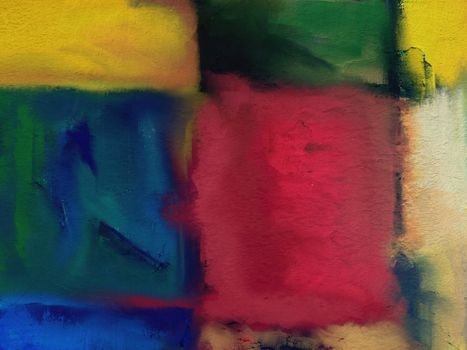 Photo: Steve A Johnson / Pexels
 Photo: cottonbro studio / Pexels
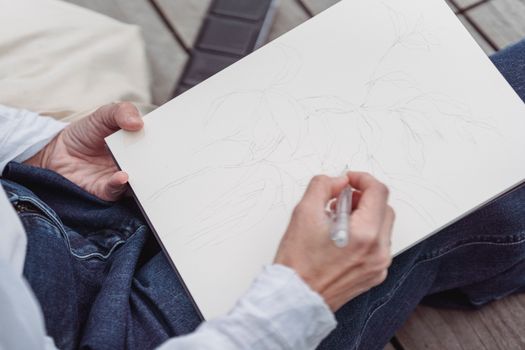 Photo: Greta Hoffman / Pexels