✓ Art history spans over 40,000 years, from cave paintings to digital art.
✓ Major art movements often coincide with significant historical and societal shifts.
✓ Understanding art history provides insight into human culture, beliefs, and technological advancements.
✓ The evolution of art is not linear but a complex interplay of influences and innovations.
How It Works
1
Explore Chronological Periods
Our timeline meticulously organizes art from prehistory to the present day. Discover the defining characteristics of each era and their sequential development.
2
Identify Key Movements & Styles
Delve into specific artistic movements like Renaissance, Baroque, Impressionism, and Cubism. Understand their core philosophies, techniques, and influential figures.
3
Connect Art with Culture
Learn how political, religious, and social contexts influenced artistic expression. See how art served as a mirror and a catalyst for change throughout history.
4
Appreciate Masterpieces & Artists
Gain a deeper appreciation for iconic artworks and the visionary artists behind them. Recognize their lasting impact on subsequent generations and global aesthetics.
The Dawn of Creativity: Prehistoric & Ancient Civilizations
Photo: Roman Saienko / Pexels
The journey through the art history timeline begins long before written records, in the caves and rock shelters of our earliest ancestors. Prehistoric art, dating back tens of thousands of years, offers a profound glimpse into the human mind's nascent capacity for symbolism and expression. From the awe-inspiring cave paintings of Lascaux and Altamira, depicting animals with remarkable vitality and naturalism, to the Venus figurines, thought to be fertility symbols, these early works served both practical and spiritual purposes. They were not merely decorative but integral to rituals, storytelling, and perhaps even early forms of communication. The materials used were rudimentary – natural pigments from minerals, charcoal, and bone – yet the impact of these creations resonates to this day, reminding us of the enduring human impulse to create.
As civilizations emerged, so too did more complex and monumental forms of art. Ancient Egyptian art, spanning millennia, is characterized by its strict conventions, symbolism, and a profound focus on the afterlife. Hieroglyphics, monumental architecture like the pyramids and temples, and intricate funerary art all served to honor gods, pharaohs, and ensure eternal life. Their art was highly standardized, with specific canons for depicting the human form, emphasizing order and permanence. Similarly, the art of Mesopotamia, from the Sumerians to the Assyrians and Babylonians, reflected the power of their rulers and the importance of religion, seen in ziggurats, relief sculptures, and cylinder seals. These early empires laid foundational stones for artistic expression, demonstrating how art could be a tool for power, worship, and societal cohesion. The art of these periods, while diverse in style and purpose, collectively showcases humanity's foundational steps in expressing its worldview through visual means, setting the stage for the rich tapestry of art history that would unfold. Understanding these origins is crucial for appreciating the vast scope of the evolution of human creativity. The meticulous craftsmanship and symbolic depth of these ancient works continue to captivate and inspire, demonstrating a timeless connection to the human spirit. They remind us that art has always been an intrinsic part of the human experience, evolving with our societies yet retaining its fundamental power to communicate and transcend.
Classical Ideals to Medieval Mysticism: Greece, Rome, and the Middle Ages
Photo: Walter Coppola / Pexels
Following the ancient civilizations, the art history timeline moves into the classical period, dominated by the Greeks and Romans. Ancient Greek art, particularly from the Archaic, Classical, and Hellenistic periods, established enduring ideals of beauty, proportion, and humanism. Their sculptures, initially rigid and stylized, evolved into remarkably lifelike and dynamic representations of the human form, celebrating athleticism, wisdom, and divine perfection. Architecture, too, reached new heights with the development of the Doric, Ionic, and Corinthian orders, culminating in iconic structures like the Parthenon. The Greeks' emphasis on rationality, balance, and the pursuit of ideal beauty profoundly influenced subsequent Western art.
The Romans, heirs to much of Greek culture, adapted and expanded upon these artistic traditions. Roman art was characterized by its practicality, monumental scale, and focus on imperial power and civic life. While they admired Greek ideals, Roman art often leaned towards realism, particularly in portraiture, and pioneered innovations in architecture and engineering, such as concrete, arches, and domes, exemplified by the Colosseum and the Pantheon. Their mosaics and frescoes provided vibrant narratives of daily life, mythology, and imperial triumphs. The Roman Empire's vast reach ensured the widespread dissemination of these artistic forms, leaving a lasting legacy across Europe and beyond.
With the fall of the Roman Empire and the rise of Christianity, the Middle Ages ushered in a new era of artistic expression. Medieval art, spanning roughly from the 5th to the 15th century, was overwhelmingly religious in nature. Early Christian and Byzantine art, with its glittering mosaics, iconic paintings, and elaborate manuscript illuminations, emphasized spiritual devotion and heavenly grandeur. Romanesque art, characterized by its robust architecture, massive stone sculptures, and frescoes, emerged in the 11th century, followed by the breathtaking Gothic style from the 12th century onwards. Gothic cathedrals, with their soaring vaults, stained-glass windows, and intricate sculptures, were designed to inspire awe and convey complex theological narratives to a largely illiterate populace. This period, often mislabeled as 'dark,' was in fact a time of intense artistic development, where craft and devotion intertwined to produce some of the most enduring and spiritually charged works in the art history timeline. The transition from classical naturalism to medieval symbolism marks a significant shift in artistic purpose and aesthetic values.
Rebirth and Revolution: Renaissance to Neoclassicism
Photo: Raffaella Troiano / Pexels
The Renaissance, a fervent period of cultural, artistic, political, and scientific 'rebirth' from the 14th to the 17th century, marked a pivotal moment in the art history timeline. Originating in Italy, it saw a renewed interest in classical antiquity, humanism, and scientific inquiry, profoundly transforming art. Artists like Leonardo da Vinci, Michelangelo, and Raphael pushed the boundaries of perspective, anatomy, and emotional expression, creating masterpieces that defined an era. Da Vinci's 'Mona Lisa' and 'The Last Supper,' Michelangelo's 'David' and the Sistine Chapel ceiling, and Raphael's 'School of Athens' exemplify the period's genius. The High Renaissance perfected techniques like sfumato and chiaroscuro, bringing unprecedented realism and depth to painting and sculpture. This era celebrated the individual genius of the artist, moving away from the anonymity of the medieval artisan.
Following the idealism of the Renaissance, the Baroque period (early 17th to mid-18th century) emerged with dramatic flair and emotional intensity. Characterized by grandeur, movement, and rich detail, Baroque art sought to evoke strong emotions and awe, often serving the Counter-Reformation and absolute monarchies. Artists like Caravaggio, Bernini, and Rubens utilized dramatic lighting, dynamic compositions, and opulent colors to create powerful and theatrical works. Architecture also embraced this style, with elaborate palaces and churches designed to impress and inspire. Rococo, a lighter, more ornate, and playful style, developed in the 18th century, primarily in France, focusing on aristocratic elegance, delicate pastels, and intimate scenes, a stark contrast to the grandiosity of the Baroque.
The late 18th century witnessed the rise of Neoclassicism, a reaction against the perceived frivolity of Rococo and a return to the perceived purity and austerity of classical Greek and Roman art. Driven by the Enlightenment and archaeological discoveries, Neoclassical artists like Jacques-Louis David emphasized civic virtue, order, and morality, often depicting historical or mythological scenes with clear lines and restrained emotion. This style became closely associated with the ideals of the French Revolution and the American Republic. Simultaneously, Romanticism began to emerge, challenging the rationalism of Neoclassicism by prioritizing emotion, individualism, and the sublime. Artists like Eugène Delacroix and J.M.W. Turner explored themes of passion, nature, and the exotic, laying the groundwork for the revolutionary movements of the 19th century. This period of artistic ferment, from the Renaissance's human-centric focus to the emotional depth of Romanticism, showcases a dynamic interplay of ideas and aesthetics, propelling the art history timeline forward with relentless innovation and a profound impact on Western artistic traditions.
Modern and Contemporary Art: From Impressionism to the Digital Age
Photo: Steve A Johnson / Pexels
The 19th and 20th centuries radically transformed the art history timeline, breaking away from centuries of academic tradition. Impressionism, emerging in the 1860s, was a revolutionary movement that prioritized capturing the fleeting effects of light and atmosphere over precise representation. Artists like Monet, Renoir, and Degas used loose brushstrokes and vibrant colors to depict modern life, landscapes, and cityscapes. This quickly led to Post-Impressionism, with artists such as Van Gogh, Cézanne, and Gauguin exploring personal expression, symbolic meaning, and structural integrity in their work, paving the way for even more radical departures.
The early 20th century exploded with a series of avant-garde movements. Fauvism, with its bold, non-naturalistic colors, and Expressionism, focusing on emotional intensity and distorted forms, challenged conventional aesthetics. Cubism, pioneered by Picasso and Braque, shattered traditional perspective by depicting objects from multiple viewpoints simultaneously, fundamentally altering how space and form were perceived. Futurism, Dada, and Surrealism further pushed boundaries, exploring speed, absurdity, and the subconscious mind. These movements were not just artistic styles but philosophical statements, often reacting to world wars, industrialization, and changing social structures.
After World War II, New York City emerged as a global art center, giving rise to Abstract Expressionism, characterized by large-scale, gestural, and non-representational painting by artists like Jackson Pollock and Mark Rothko. This was followed by Pop Art in the 1960s, which embraced popular culture, consumerism, and mass media, famously exemplified by Andy Warhol. Minimalism, Conceptual Art, and Performance Art further diversified the artistic landscape, questioning the very definition of art and the role of the artist. Contemporary art, from the late 20th century to the present, is incredibly diverse and defies easy categorization. It encompasses a vast array of styles, mediums, and themes, often engaging with global issues, technology, identity, and social commentary. From installation art and video art to digital art and street art, the boundaries of artistic expression continue to expand. This period reflects a constant interrogation of what art can be, how it functions, and its place in an ever-evolving world, making the modern and contemporary segments of the art history timeline a vibrant and continuously unfolding narrative.
Comparison
Art Period
Key Characteristics
Dominant Medium
Notable Artist
Ancient Egyptian
Symbolic, hieratic, focused on afterlife
Sculpture, architecture, painting
Imhotep (architect)
Classical Greek
Idealism, humanism, balance, proportion
Sculpture, architecture
Phidias
Renaissance
Realism, perspective, humanism, individual genius
Painting, sculpture, architecture
Leonardo da Vinci
Impressionism
Light, atmosphere, visible brushstrokes, modern life
"This art history timeline is incredibly comprehensive and easy to navigate. It provided me with a clear understanding of how different art periods connect and influence each other, which was exactly what I needed for my art appreciation class."
Sarah L. · Boston, MA
★★★★★
"As an aspiring artist, understanding the historical context of art is vital. This resource breaks down complex movements into digestible sections, making it an invaluable tool for both learning and inspiration."
Mark D. · San Francisco, CA
★★★★★
"I used this art history timeline to plan a European art tour, and it was instrumental in helping me prioritize which museums and periods to focus on. My trip was much richer thanks to this detailed guide!"
Emily R. · Austin, TX
★★★★★
"While excellent in its scope, I'd love to see even more examples of non-Western art integrated into the timeline. However, for Western art history, it's exceptionally well-researched and presented."
David K. · Chicago, IL
★★★★★
"This timeline helped me finally grasp the distinction between various 'isms' in modern art. The way it connects socio-political events to artistic shifts is particularly insightful and makes learning so much more engaging."
Jessica T. · New York, NY
Frequently Asked Questions
What is the most significant period in the art history timeline?
Defining the 'most significant' period is subjective, as each era contributes uniquely to the art history timeline. However, the Renaissance is often highlighted for its profound reorientation towards humanism, scientific inquiry, and the individual artist, which laid much of the groundwork for subsequent Western art. Its innovations in perspective, anatomy, and artistic technique were revolutionary and continue to influence art to this day.
Is understanding the art history timeline only for art students?
Absolutely not! While essential for art students, understanding the art history timeline offers a richer appreciation of human culture, beliefs, and technological advancements for anyone. It provides context for current events, enhances critical thinking, and enriches visits to museums, historical sites, and even travel experiences, making it valuable for a broad audience.
How can I effectively remember the vast amount of information in an art history timeline?
To effectively remember the art history timeline, focus on understanding the key characteristics, major artists, and defining artworks of each period. Try to connect artistic movements to broader historical events or philosophical shifts. Visual aids, creating your own summary notes, and regular review can also significantly aid retention. Don't aim for rote memorization, but rather for understanding the narrative flow.
What is the value of studying a comprehensive art history timeline in the digital age?
In the digital age, studying a comprehensive art history timeline provides crucial context for understanding contemporary visual culture. It helps us critically analyze images, recognize influences, and appreciate the enduring power of human creativity. It also fosters a global perspective by showcasing how different cultures have expressed themselves visually throughout history, enriching our understanding of the world around us.
How does the art history timeline address non-Western art?
While often focused on Western traditions, a truly comprehensive art history timeline increasingly integrates non-Western art to provide a more holistic view of global artistic development. This includes the rich traditions of Asian, African, Indigenous American, and Oceanic art. Recognizing the unique philosophies, materials, and functions of these diverse art forms is crucial for a complete understanding of human creativity across the world.
Who should explore an art history timeline?
Anyone with an interest in culture, history, human expression, or simply a desire to understand the world through a different lens should explore an art history timeline. It's beneficial for students, travelers, art enthusiasts, designers, or anyone curious about how societies have visualized their realities and dreams across millennia. It offers a unique window into the human condition.
Are there any common misconceptions when studying the art history timeline?
A common misconception is viewing the art history timeline as a linear progression towards 'better' or 'more realistic' art. In reality, art evolves through cycles of innovation, revival, and reaction, often reinterpreting older styles or valuing different aesthetic principles. Another misconception is that art is purely decorative; throughout history, it has served profound religious, political, and social functions, often reflecting deep cultural values.
What are the future trends in the art history timeline?
Future trends in the art history timeline are likely to include an increasing emphasis on global art histories, decolonizing narratives, and expanding to include digital art, AI-generated art, and other emerging media as legitimate forms of artistic expression. There will also be a continued focus on interdisciplinary studies, connecting art with science, technology, and social justice movements, reflecting the complex nature of contemporary society.
Embark on your personal journey through the art history timeline today. Discover the masterpieces, movements, and cultural narratives that have shaped human civilization and deepen your appreciation for the boundless creativity of humankind.
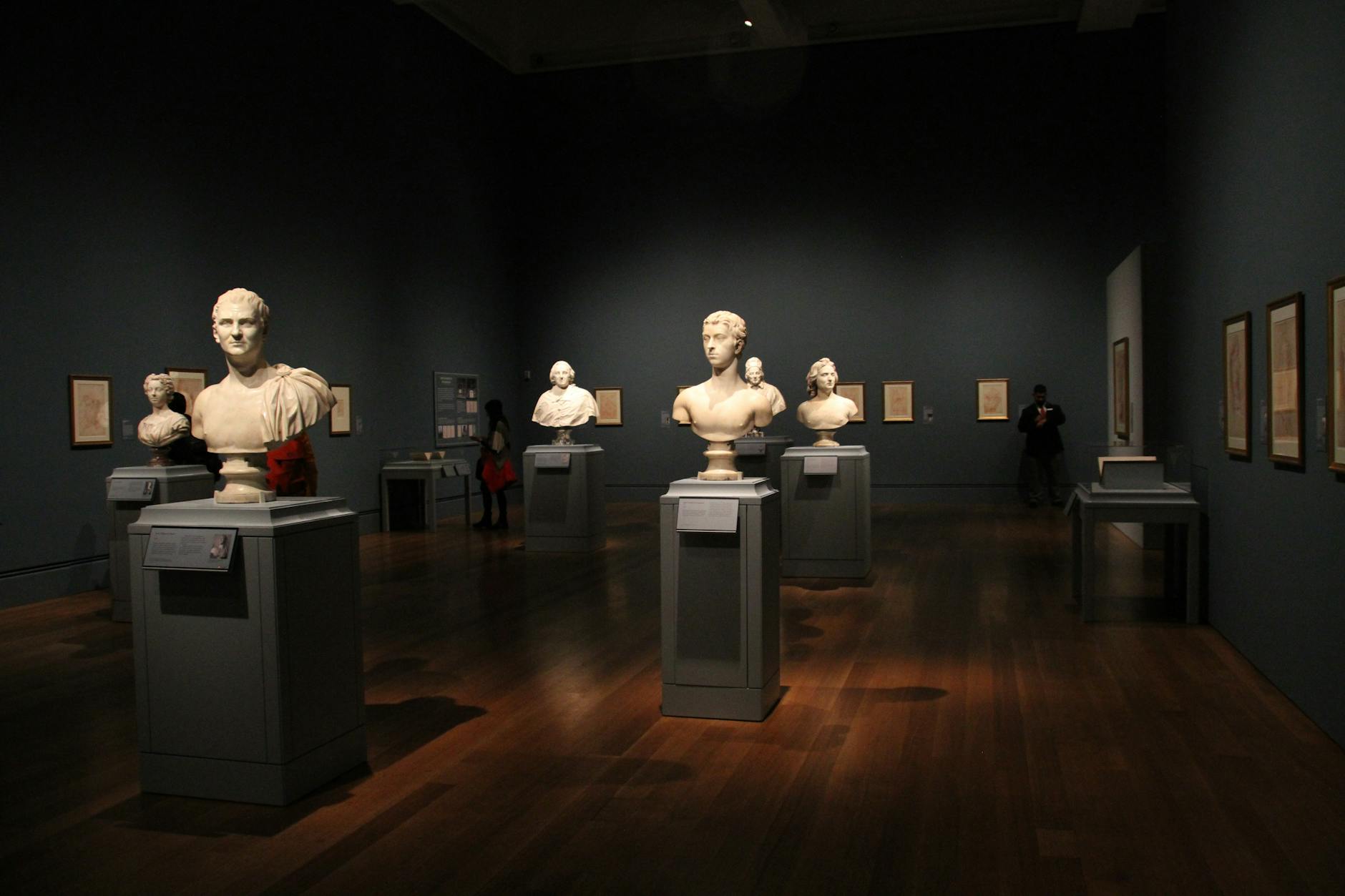
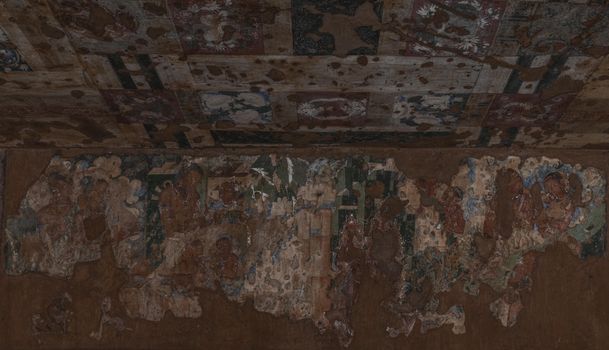 Photo: Roman Saienko / Pexels
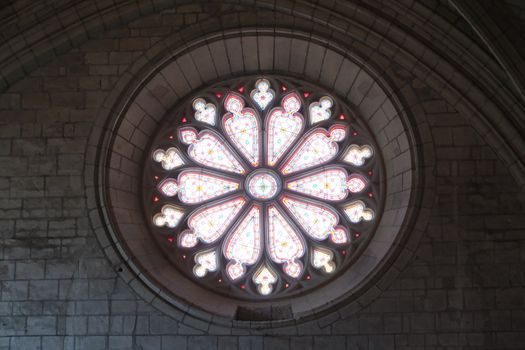 Photo: Walter Coppola / Pexels
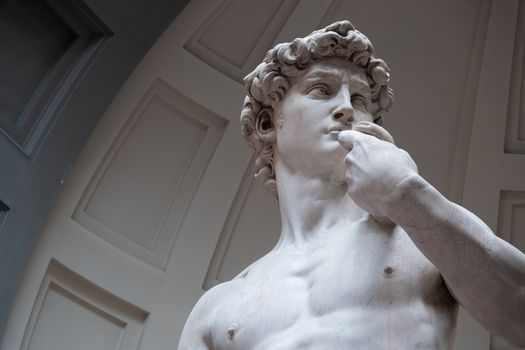 Photo: Raffaella Troiano / Pexels
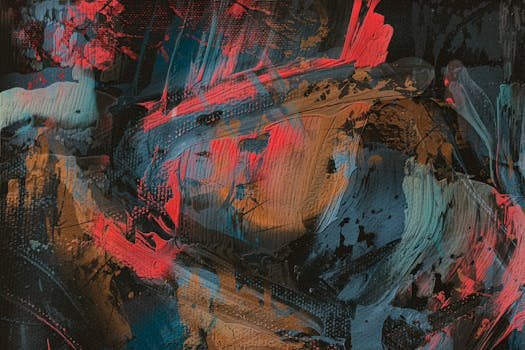 Photo: Steve A Johnson / Pexels